When choosing a generator set, fuel consumption is one of the factors most worth paying attention to. Understanding a generator set’s fuel consumption helps your business estimate costs, compare different generator models, determine your fuel needs, and improve long-term efficiency.
In this guide, you will learn how to calculate generator fuel consumption, the factors that affect it, and the fuel advantages of diesel generators.
What Is Generator Fuel Consumption?
Definition
Fuel consumption refers to how much diesel, natural gas, or other fuel a generator set needs while generating power. At the same power output, the lower the fuel consumption, the higher the generator set’s fuel efficiency.
Common Units
Common units include:
- L/h
- gal/h
- g/kWh
- L/kWh
Of these, g/kWh is the most commonly and widely used.
How Does the Operation of a Diesel Generator Consume Fuel
The operation of a diesel generator is divided into two stages. The stage that consumes fuel is when the fuel powers the engine.
Fuel Drives the Engine
The engine’s operating cycle can be divided into intake, compression, combustion, and exhaust.
- Intake: the cylinder’s intake valve opens and air enters the cylinder.
- Compression: the piston moves upward, compressing the air and raising its temperature.
- Combustion: under high temperature and high pressure, diesel fuel is injected into the cylinder, ignites, and drives the piston.
- Exhaust: the exhaust gases produced by combustion are expelled.
This process repeats continuously. The piston drives the crankshaft to rotate, converting chemical energy into mechanical energy.
The Engine Drives the Alternator to Generate Power
The engine’s mechanical energy is transferred to the alternator. The alternator works on the principle of electromagnetic induction: the mechanical energy drives the alternator’s rotor to spin inside the stator, generating alternating current. Alternators are generally equipped with an AVR, which controls the power output and keeps the voltage stable.
Efficiency and Fuel Consumption
Fuel costs usually account for a significant portion of the total operating costs of diesel generators throughout their lifespan. Therefore, fuel efficiency and fuel consumption are important indicators for measuring the economic performance of the generators.
Diesel Generator Efficiency
Efficiency refers to the proportion of the chemical energy released by burning diesel that is ultimately converted into electrical energy output by the generator. It is typically 30%–40%, depending on the generator model and condition. Running at low load for extended periods causes incomplete combustion and reduces efficiency.
Calculating Fuel Consumption
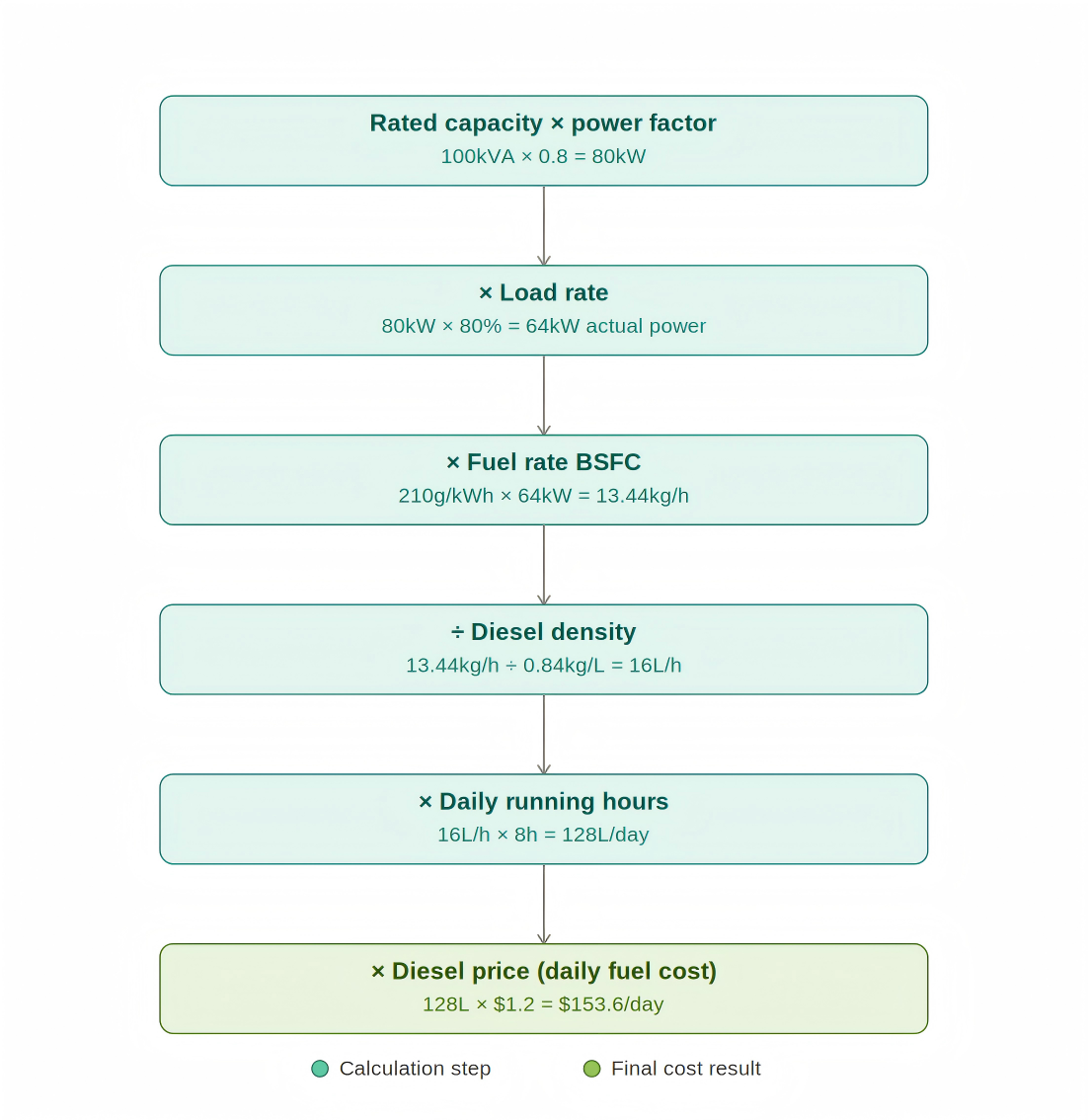
Suppose you have a diesel generator set with the following known values:
- Rated capacity: 100kVA
- Power factor: 0.8 (industry standard)
- Load rate: 80%
- Fuel consumption rate BSFC: 210g/kWh
- Diesel density: 0.84kg/L
Step 1: Calculate the Actual Output Power
100kVA × 0.8 = 80kWh
Load rate is 80%
Actual output power = 80kWh × 80% = 64kW
Step 2: Calculate the Hourly Fuel Consumption by Mass
Fuel consumption rate × actual power = 210g/kWh × 64kW = 13,440g/h = 13.44kg/h
Step 3: Calculate the Hourly Fuel Consumption by Volume
Given a diesel density of 0.84kg/L
Hourly fuel volume = 13.44 ÷ 0.84 = 16L/h
Step 4: Calculate the Daily Fuel Consumption and Cost
Suppose you run the generator for 8 hours a day
Daily fuel consumption = 16L/h × 8 = 128L
If diesel costs $1.2 per liter
Daily fuel cost = 128 × 1.2 = $153.6
The flowchart below walks you through the calculation process.
Below is a fuel consumption table so you can reference the fuel use of generators at different capacities:
| Generator rated capacity | Output power (PF = 0.8) | 75% load | Full load |
| 50 kVA | 40 kW | 8.9 L/h | 11.8 L/h |
| 80 kVA | 64 kW | 13.8 L/h | 18.3 L/h |
| 100 kVA | 80 kW | 17.0 L/h | 22.6 L/h |
| 125 kVA | 100 kW | 21.0 L/h | 28.0 L/h |
| 150 kVA | 120 kW | 25.0 L/h | 33.0 L/h |
| 200 kVA | 160 kW | 33.0 L/h | 44.0 L/h |
| 250 kVA | 200 kW | 41.0 L/h | 55.0 L/h |
| 300 kVA | 240 kW | 49.0 L/h | 65.0 L/h |
| 350 kVA | 280 kW | 57.0 L/h | 76.0 L/h |
| 400 kVA | 320 kW | 65.0 L/h | 87.0 L/h |
| 500 kVA | 400 kW | 81.0 L/h | 108.0 L/h |
| 600 kVA | 480 kW | 97.0 L/h | 129.0 L/h |
| 800 kVA | 640 kW | 129.0 L/h | 172.0 L/h |
| 1000 kVA | 800 kW | 162.0 L/h | 216.0 L/h |
| 1250 kVA | 1000 kW | 202.0 L/h | 269.0 L/h |
| 1500 kVA | 1200 kW | 243.0 L/h | 323.0 L/h |
| 2000 kVA | 1600 kW | 324.0 L/h | 431.0 L/h |
This table is for reference only. If you’re not sure how to choose the right generator set capacity, we recommend checking out our earlier blog post on that topic.
Factors That Affect Fuel Consumption
There are many factors that affect fuel consumption, such as load, fuel quality,engine condition, ambient temperature and fuel tank.
Load
A load below 70% causes incomplete combustion, increases carbon buildup, and raises the risk of wet stacking. A load above 80% increases mechanical stress, raises temperatures, and lowers thermal efficiency. So a higher load doesn’t improve efficiency, and neither does a lower one. Plan your load carefully to keep your generator set running efficiently.
Fuel Quality
Good-quality fuel is purer and burns more completely, while poor-quality fuel causes incomplete combustion and reduces efficiency.
Engine Condition
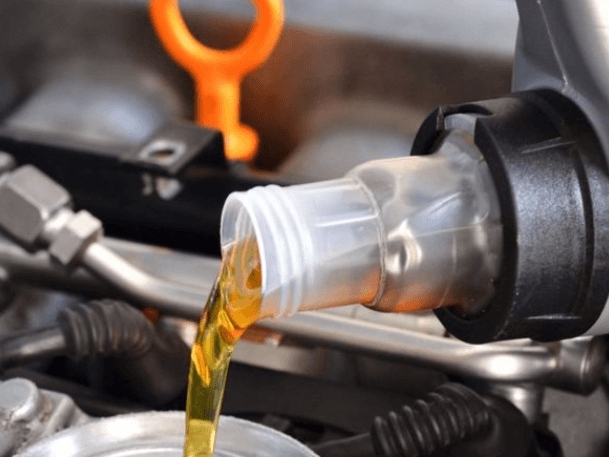
Clogged filters, degraded oil, worn fuel injectors, and other aged or corroded components can all reduce efficiency and increase fuel consumption.
Ambient Temperature
High temperatures cause air to expand, lowering the density of air entering the cylinders and reducing oxygen content, which leads to incomplete combustion. In cold temperatures, starting the generator increases fuel consumption and makes starting more difficult.
Fuel Tank
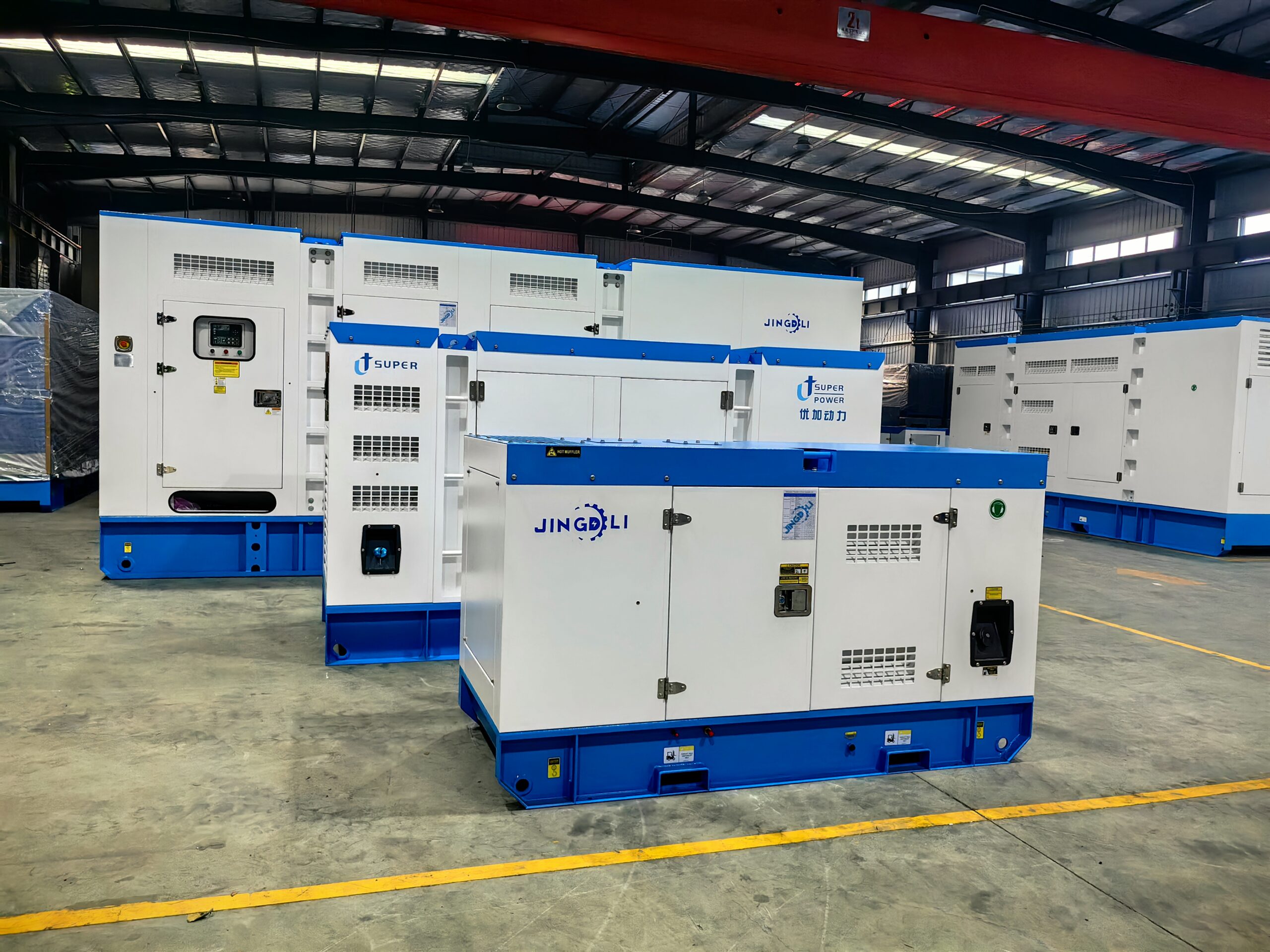
The fuel tank can indirectly affect fuel consumption. Many customers connect their own separate fuel tank to the generator set, but this is actually not a wise choice, since a separate tank may not be properly matched to the generator set and can cause various fuel supply problems. We recommend choosing a generator set with a built-in fuel tank when you make your purchase.
Why are Diesel Generators Still Widely Used?
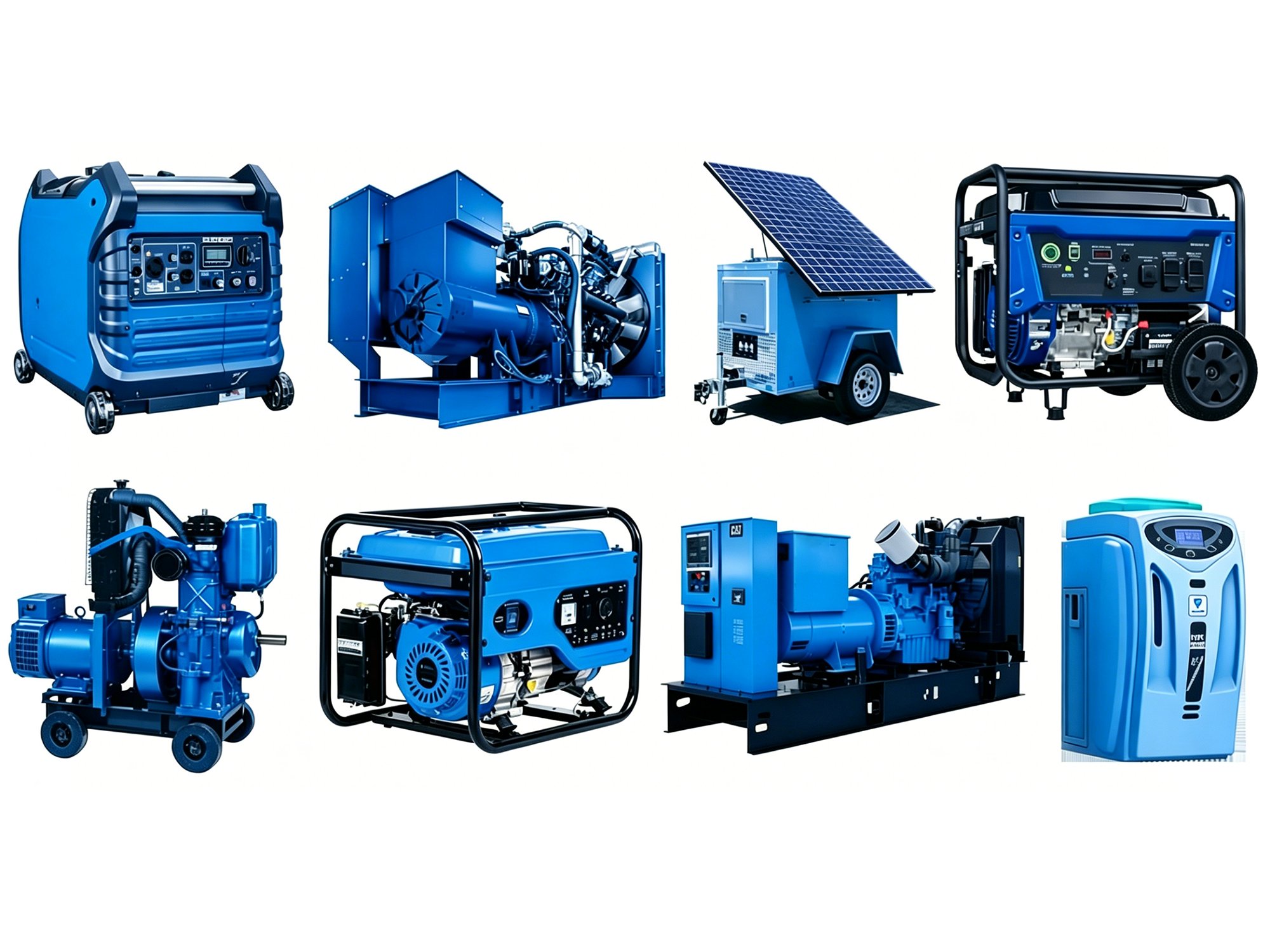
Despite alternatives such as natural gas, solar power, and gasoline, diesel generators remain the choice of many businesses.
Diesel has a higher energy density than gasoline and burns more efficiently, allowing the generator set to produce more electricity and lower your fuel costs. Diesel generators are rugged and durable, and with proper maintenance they can last a very long time. Diesel generators can start quickly, enabling fast switching between mains power and generator power. Compared with natural gas generators, diesel generators are also simpler and easier to maintain.
Final Thought
A generator set’s fuel consumption matters a great deal, since it affects your ongoing operating costs. Be sure to keep your generator set properly serviced and maintained so it stays efficient. UsuperPower provides you with reliable power solutions — if you have any questions, please contact us.

FAQ
How long can a generator run on a full tank?
Here’s an example: suppose you have a 100kVA diesel generator with a 300L fuel tank. Running at an ideal load of 75%, it can operate continuously for roughly 20 hours.
Does fuel consumption increase at higher altitude?
As altitude increases, the air becomes thinner, which lowers combustion efficiency and increases fuel consumption.
Why is my generator using more fuel than expected?
Generator fuel consumption is generally 10–20% higher than the theoretical figure, and this doesn’t necessarily mean something is wrong with the equipment. In fact, fuel consumption is affected by many factors, including load, maintenance condition, environmental conditions, and how the unit is operated.
Does idling consume more fuel?
Idling actually consumes less fuel, but that doesn’t mean it’s cost-effective or good for the generator set. Prolonged idling causes wet stacking and carbon buildup, which affects the unit’s efficiency.
Should I buy a larger generator for future expansion?
Not necessarily — it depends on your business’s specific situation. If you expect your load to increase significantly over the next few years, it’s reasonable to reserve some extra capacity. However, buying a generator far larger than your current needs just for possible future expansion usually isn’t the most cost-effective choice.
Is a bigger generator always less fuel-efficient?
No. A bigger generator is not always less fuel-efficient. Fuel efficiency depends on how the generator is loaded, not just its size.