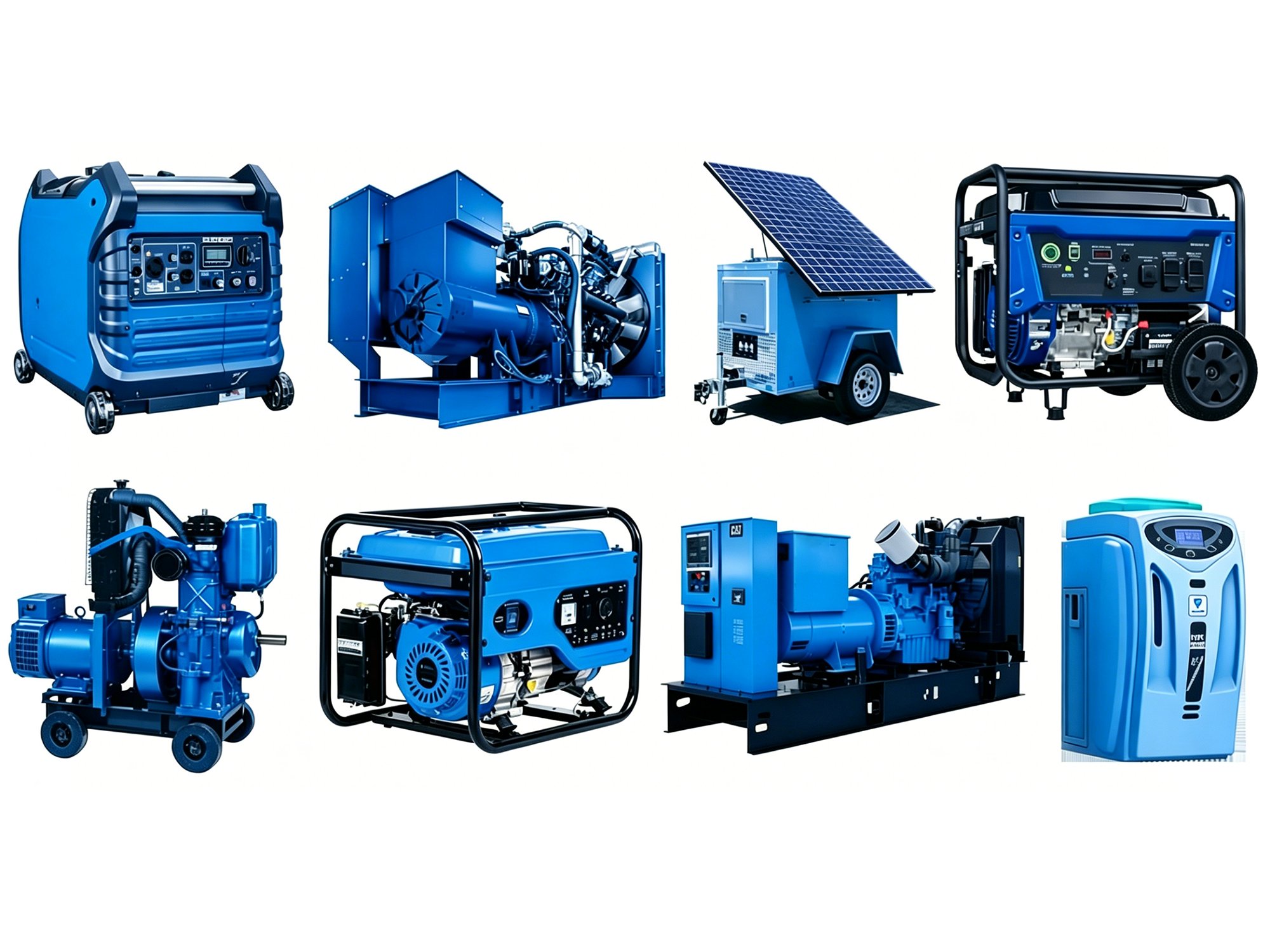
Whether you are choosing a backup generator for your business or comparing different generator set models, understanding how a generator works will help you make a more suitable choice.
This article will take an in-depth look at how a generator works, helping you understand the working principle of a generator set and the role of each component.
Working Principle of a Generator
Basic Principle
A generator set does not convert fuel directly into electrical energy. Instead, the engine converts the chemical energy in the fuel into mechanical energy, and the alternator then converts that mechanical energy into electrical energy. The generator works on the principle of electromagnetic induction: as the rotor spins and forms a rotating magnetic field, the changing magnetic field cuts across the stator windings, inducing an alternating current in the stator windings that continuously powers your equipment.
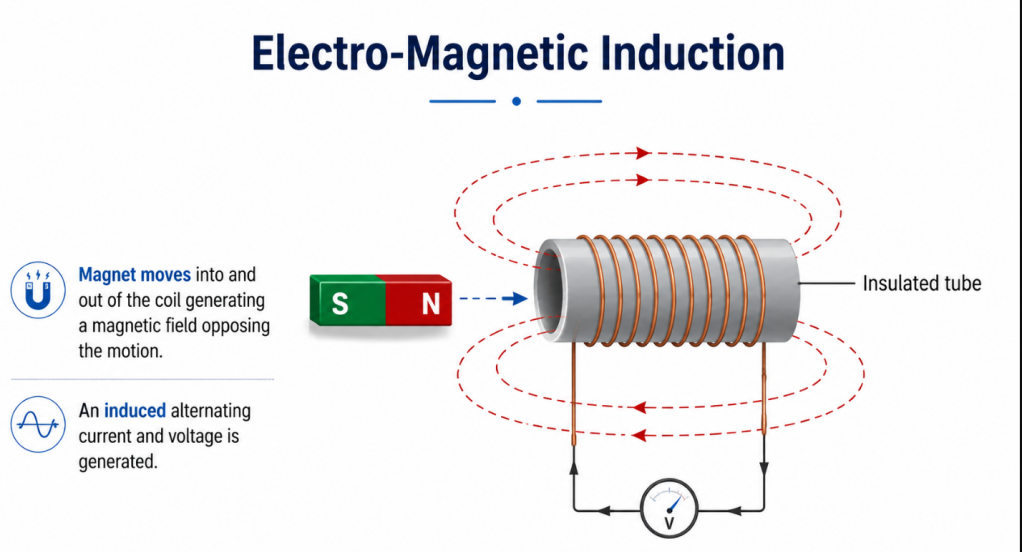
Now that you understand the basic working principle, let’s move on to introducing the main components of a generator set.
The Role of Each Component
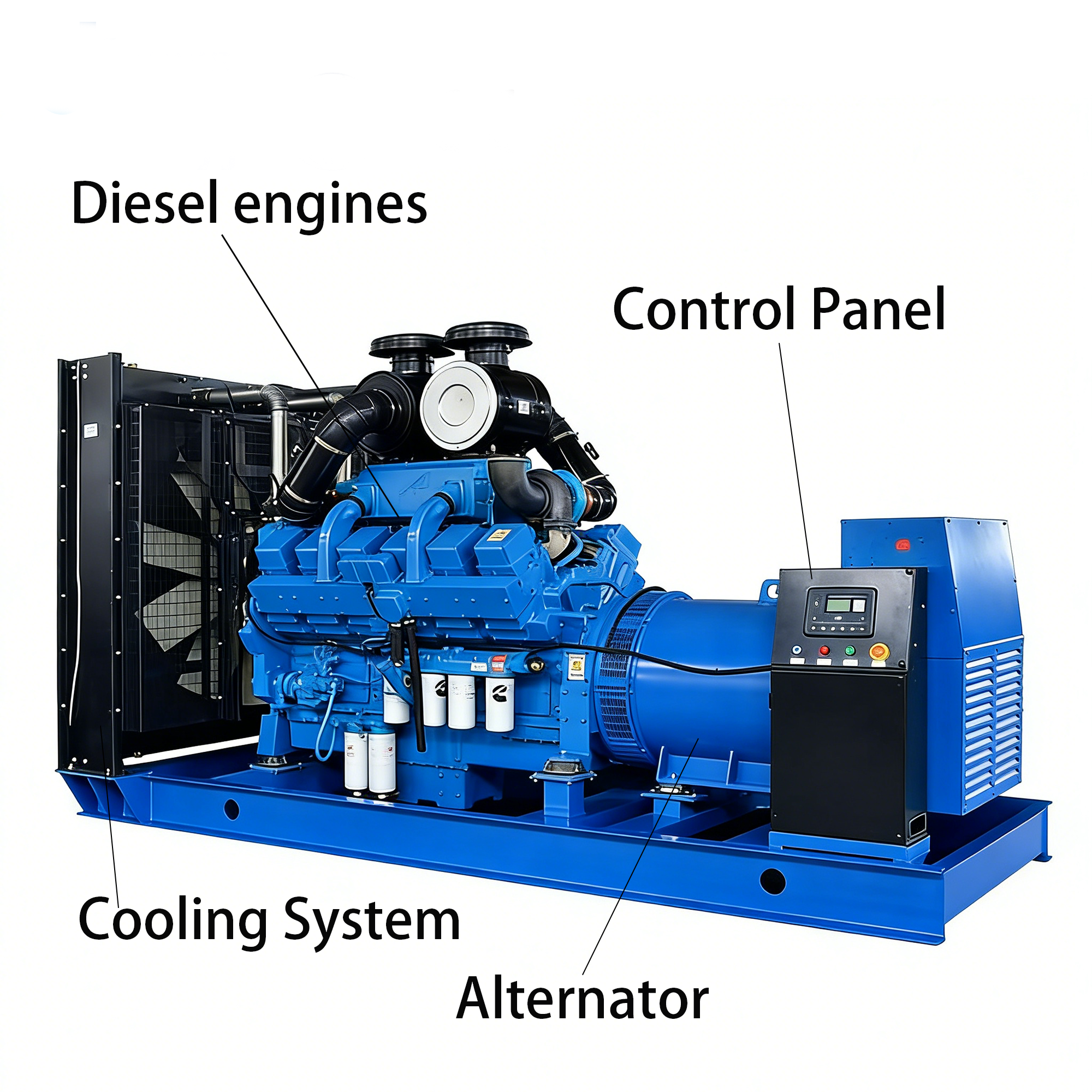
A generator set can generate electricity efficiently only through the coordinated work of these core components. Taking a closer look at the role of each component will help you operate your generator set more effectively.
- Engine: The engine produces mechanical energy and provides power to the generator. The engine’s power output basically determines the generator’s electricity output.
- Alternator: The engine drives the generator’s rotor to spin, converting mechanical energy into electrical energy. The stator and rotor are the main components — the rotor’s rotation produces a magnetic field, and the stator cuts through this magnetic field to produce alternating current.
- Control Panel Controls: every aspect of the generator set’s operation and monitors its condition in real time, displaying data on the screen. A good control panel lets you see the generator set’s operating status more clearly.
- Fuel System: The fuel system is responsible for storing, filtering, and delivering fuel, continuously supplying fuel to the engine.
- Voltage Regulator (AVR): Stabilizes the generator set’s voltage, and when necessary, maintains the generator’s output voltage through AC-to-DC conversion, excitation windings, and a rotating rectifier. If your equipment includes servers, PLCs, or medical devices, the AVR ensures these devices receive a stable power supply.
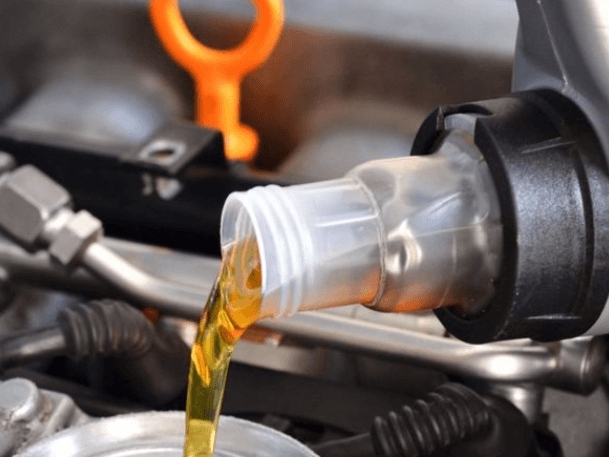
- Lubrication System: The components inside the equipment need lubrication to operate properly. Oil is used for lubrication — checking and changing the oil regularly keeps the equipment running steadily, and the oil also helps cool it down.
- Cooling System: The generator heats up during operation, and the cooling system ensures the machine doesn’t overheat and runs at a suitable temperature. It is mainly divided into water cooling and air cooling. If you are in a hot environment or need to run under high-load conditions, choosing an efficient cooling system can improve the reliability of your generator set.
Types of Fuel Used by Generator Sets
The fuel used by a generator set depends on its application, fuel availability, and the environment. If you’re after an efficient and economical generator set, a diesel generator is usually the top choice; if you’re looking for something more environmentally friendly and have access to natural gas as fuel, a gas generator is a better option.
Power Generation Process
Step 1: Combustion Produces Mechanical Energy
Fuel burns inside the engine, powering it, and through the coupling, drives the alternator’s rotor to spin.
Step 2: Mechanical Energy Converts to Electrical Energy
Inside the alternator, the rotor spins to produce a rotating magnetic field, and the stator cuts through the lines of magnetic force to produce alternating current.
If you find it hard to picture steps one and two, think of it like a waterwheel: the engine is the flowing water, the water turns the waterwheel, and the waterwheel turns the grinder.
Step 3: Control System Monitors Power Output
The control system watches over the entire process for you — it automatically starts the generator set and monitors its operating status, displays data such as voltage, current, frequency, and rotation speed in real time, and automatically shuts the generator down to protect it, and your equipment, if something goes wrong.
Step 4: Supplying Power to the Load
Electricity is output through the distribution system, reliably reaching every one of your devices.
Final Thought
If you’re looking for a diesel generator for commercial or industrial use, the Usuper team is here to help. We offer generator sets built with globally renowned engines and alternators. Contact us, and we’ll provide you with the right power solution.
FAQ
Do I always need an Automatic Transfer Switch (ATS)?
Whether you need an ATS depends on your use case. For applications such as hospitals, data centers, factories, or commercial buildings, we recommend installing an ATS. For applications like home backup power, construction sites, or farms, you can choose to go without one.
Does a generator produce DC or AC power?
Most modern generator sets produce alternating current (AC), operating as alternators. DC generators are less common and are generally used in certain specialized industries. If your goal is to power an entire building, AC is the best choice.
Why does a generator need an AVR?
Many people mistakenly think the AVR is only for voltage stabilization. In fact, it also ensures the generator delivers a stable voltage output even as the load keeps changing, protecting your connected equipment and maintaining a reliable power supply.
Can a generator run continuously?
In this regard, generators fall into two categories: standby generators and prime (continuous-duty) generators. If your use case is emergency power during outages or temporary construction work, use a standby generator, which is meant for limited running hours each year. If your use case is a construction site, a mine, or similar, choose a prime generator, which is designed for long-term operation — but you’ll still need to schedule regular maintenance shutdowns.
What certifications should a generator have?
A generator’s certifications can directly determine whether the product can enter a given market. Certifications are generally tied to different regional markets — for example, CE in the EU, UL in the United States, and SONCAP in Nigeria — while ISO quality management system certification demonstrates that a company has stable production and management capabilities. There are also emissions certifications, ingress protection (IP) ratings, and more. Usuper‘s equipment holds a variety of certifications to suit your region and needs.