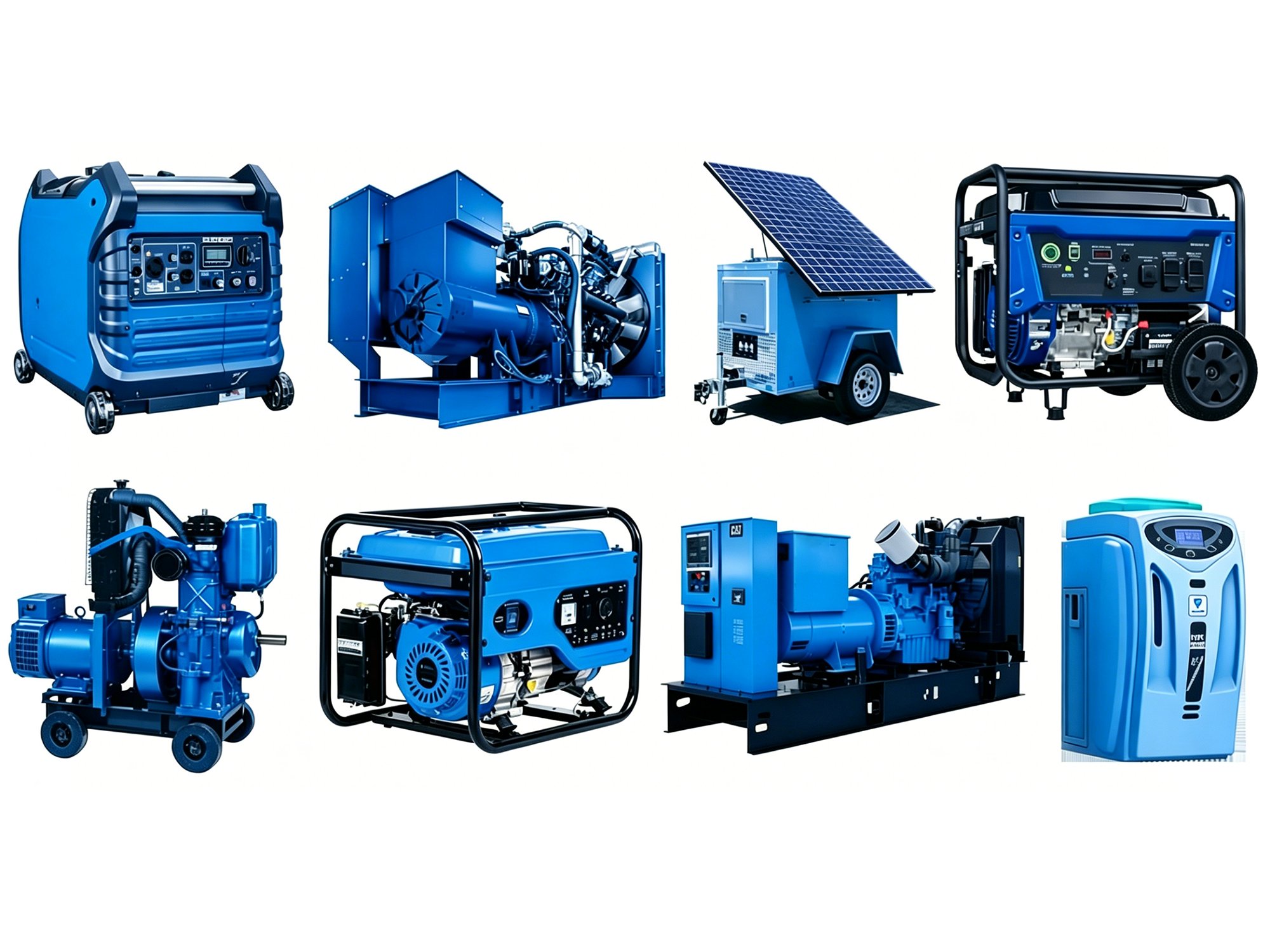
A generator is the driving force that keeps your business running. If you’re considering purchasing a generator set, we recommend learning about maintenance in advance. If you’re already using one, make sure to keep up with routine maintenance to reduce downtime, extend its service life, and save fuel.
The Importance of Generator Maintenance
Generators generally fall into two categories: standby generators and prime generators. Standby generators are used as a backup power source, so they run less often and for shorter periods, meaning they don’t need maintenance as frequently. Prime generators run more often and for longer periods, so they require more frequent maintenance. Both types need regular maintenance — otherwise, you may run into the following problems:
Repair Costs
Just because your generator shows no obvious signs of trouble doesn’t mean it’s completely fine. Don’t take chances — if you neglect routine maintenance, problems will gradually surface and could eventually cause the entire generator set to fail, leading to higher repair costs.
Operational Downtime
A generator is meant to provide reliable, continuous power. Neglecting maintenance can cause it to shut down at a critical moment, taking all your connected equipment down with it — which can cause significant losses to your business.
Harm to Your Work
Neglecting generator maintenance doesn’t just cause financial loss — it can also endanger your work environment and the safety of your staff. For example, if fuel leaks onto high-temperature engine components during operation, it could potentially cause a fire. Timely maintenance inspections allow technicians to detect and repair leaks, thereby preventing accidents.
Inspection Items for Each Component
Generator Set
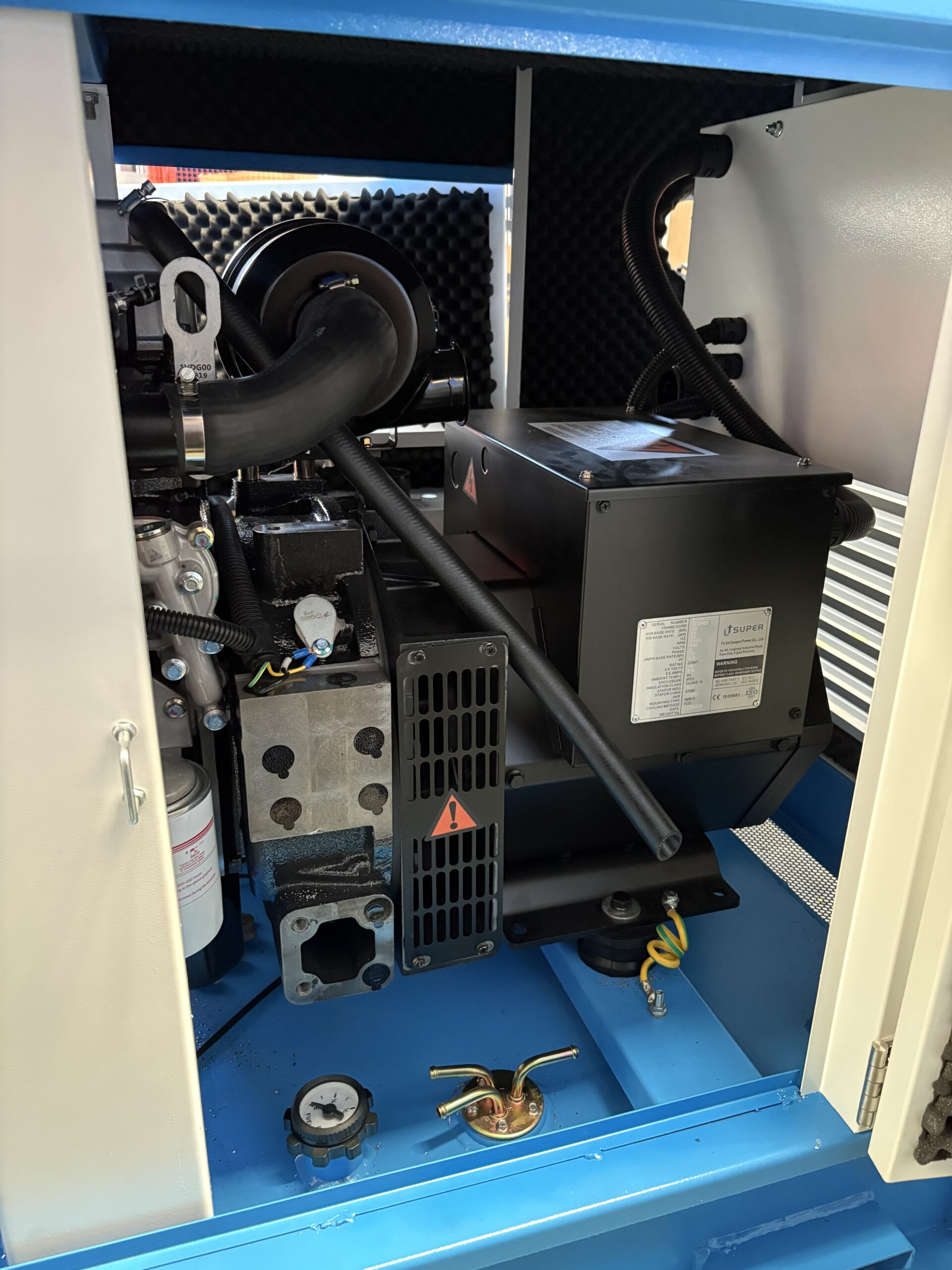
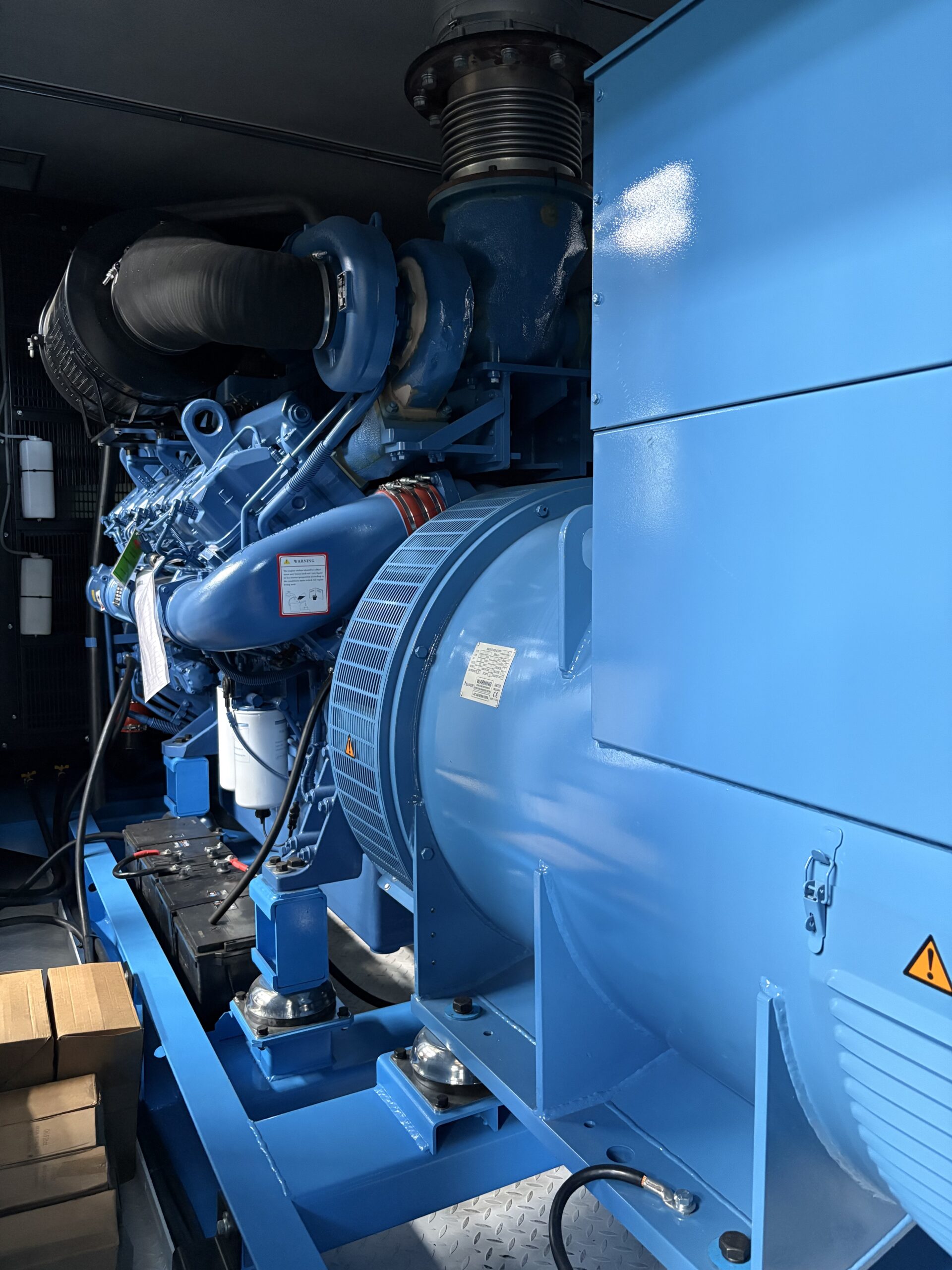
Start by running the generator with no load for a few minutes and check for anything unusual, such as abnormal temperature or noise. Check that the control functions are working properly and see whether any warning lights are on. Check the engine, alternator, and radiator inside the generator set for debris, then check connectors, hoses, and wires for looseness or damage. Once everything checks out, carry out a load test. It is advisable to clean the fuel injectors regularly to remove the carbon deposits and impurities inside.
Fuel System
The fuel your generator uses is made up of multiple components, and over time it degrades, reducing combustion efficiency. As fuel ages it forms deposits and becomes thicker, which can clog the fuel injectors and injection pump and reduce the generator set’s power output.
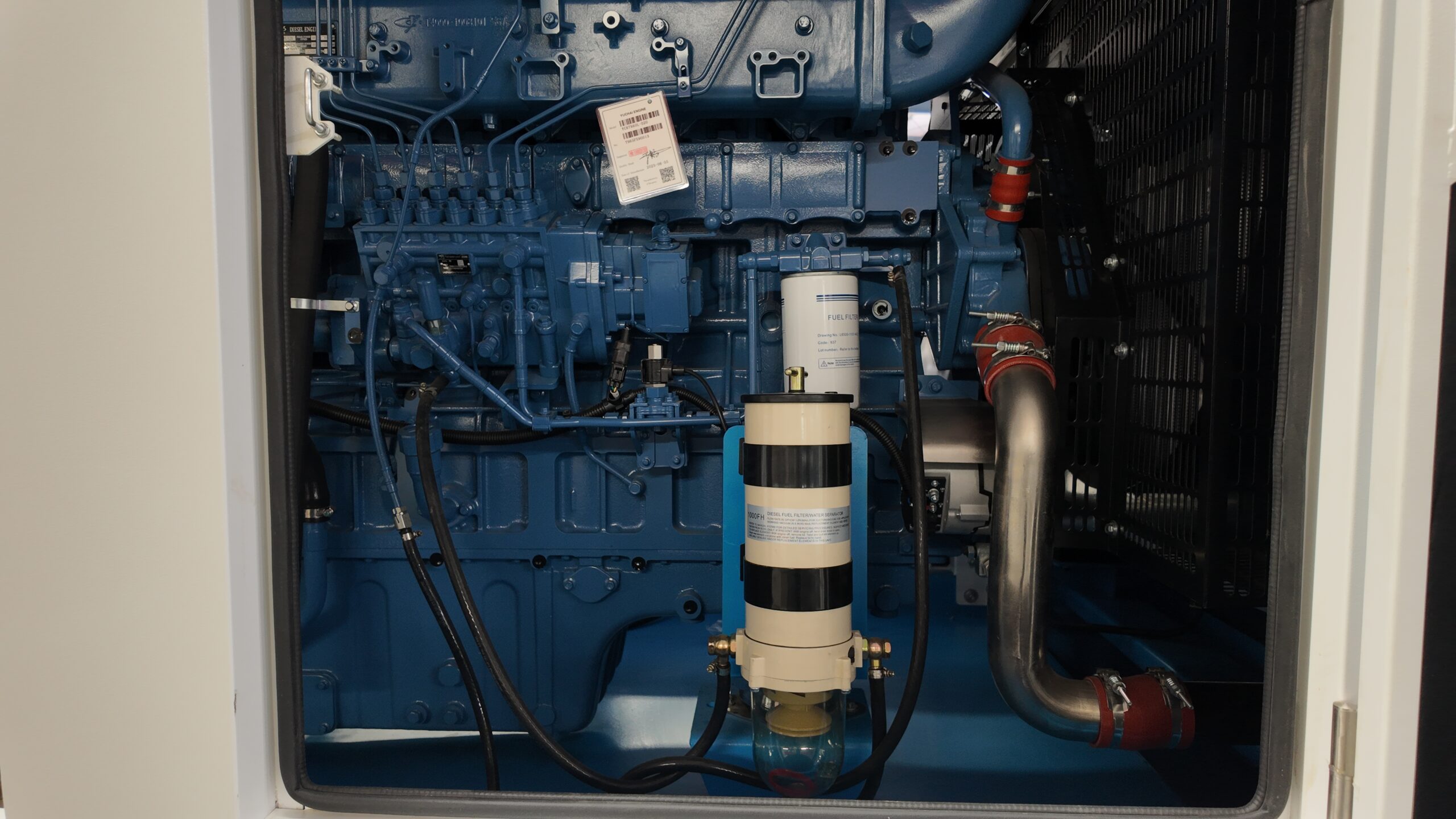
The fuel filter is just as important — it removes contaminants and particles from the diesel fuel before the fuel reaches the injection system. If you don’t replace it in time, harmful contaminants can enter the engine and cause damage.
Lubrication System
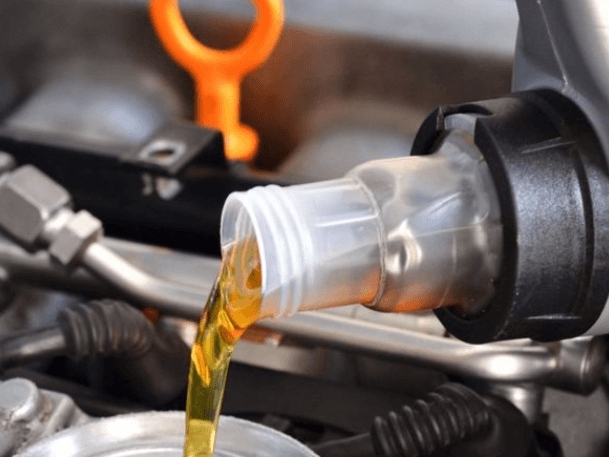
The lubrication system keeps all the components running smoothly. Checking the oil is important, since oil also degrades over time and loses its lubricating effect. Be sure to keep the oil level below the marked line — too much oil can affect the generator’s operation. You should also check the lubrication system for leaks.
Cooling System
The cooling system carries away the heat generated while the engine is running. If it malfunctions, the engine can overheat and lose power. First check the coolant level to confirm it’s within the range specified by the manufacturer, and also check for low coolant levels or abnormal coolant color. Check the radiator for leaks and for any debris on it.
Starting System
Check the battery, charger, and battery connection cables.
Check whether the battery voltage is normal, whether the terminals are corroded or loose, whether the charger is working properly, and whether the battery is frequently running low — if so, it needs further inspection.
Exhaust System
Your exhaust system may emit white, black, or blue smoke — a sign that the engine has developed a fault. Besides watching the color of the exhaust, also check whether the exhaust pipe is blocked, whether there are any exhaust leaks, and whether the muffler is corroded.
Electrical System
The power your generator outputs may become abnormal — for example, voltage fluctuations, unstable frequency, or frequent power cuts. If this happens, check whether the AVR is working properly and whether any wiring terminals are loose or making poor contact.
Intake System
Fuel combustion depends on the intake system to supply air, and the air entering the cylinders must be free of dust and harmful particles. That’s why an air filter is needed to filter the air — replace it regularly to prevent clogging. Fuel also needs boosted air to combust efficiently, which is handled by the turbocharger, so check the turbocharger for unusual noise. Also check the intake piping for leaks.
To help you understand generator maintenance more clearly, here’s a checklist for you:
| Component | Maintenance Task | Recommended Frequency | |||
| Weekly | Monthly | Semi-annually | Annually | ||
| Generator Set | Run the generator with no load until it reaches operating temperature; check the control functions for anything abnormal. | √ | |||
| Check for debris inside the unit, and check whether connecting pipes are loose or damaged. | √ | ||||
| Perform a load test. | √ | ||||
| Fuel System | Check the fuel tank — whether the fuel level is normal and whether there’s sediment at the bottom of the tank. | √ | |||
| Check for fuel leaks. | √ | ||||
| Replace the fuel filter. | √ | ||||
| Lubrication System | Check the oil level and check for leaks. | √ | |||
| Take an oil sample. | √ | ||||
| Grease the generator bearings. | √ | ||||
| Change the oil and oil filter. | √ | ||||
| Replace the oil hoses. | √ | ||||
| Cooling System | Check the hoses and belts, replace them if needed, and confirm the engine block heater is working properly. | √ | √ | ||
| Check the coolant level. | √ | ||||
| Check the coolant lines and connections. | √ | ||||
| Check the coolant quality. | √ | ||||
| Check and adjust the belts, clean the outside of the radiator, and check the fan shroud. | √ | ||||
| Starting System | Check the starter motor and battery connections, and check the system components. | √ | |||
| Check the battery electrolyte level and specific gravity. | √ | ||||
| Check and clean the engine speed timing sensor. | √ | ||||
| Exhaust System | Observe the condition of the exhaust. | √ | |||
| Clean the crankcase ventilation system and check its components. | √ | ||||
| Check the exhaust system, muffler, and exhaust pipe. | √ | ||||
| Electrical System | Check whether the generator circuit breaker is closed. | √ | |||
| Check the wiring. | √ | ||||
| Check and clean the ATS contacts and wiring. | √ | ||||
| Intake System | Replace the air filter regularly. | √ | |||
| Record and save all data. | After each inspection | ||||
The maintenance frequencies in this table are for reference only — your actual maintenance schedule should be based on your generator set’s specific condition.
Warning Signs That Your Generator Needs Immediate Maintenance
Black Smoke
Normally, an engine emits only a small amount of light-colored exhaust. If your engine keeps emitting black smoke, it means the fuel isn’t burning completely because too little air is reaching the cylinders. Check whether the air filter is clogged, whether the intake system is obstructed, whether the turbocharger is malfunctioning, and whether the injectors and injection pump are worn. Prolonged black smoke doesn’t just hurt efficiency — it can also cause carbon buildup that eventually disables the engine.
Blue Smoke
Blue smoke means oil is being burned. If blue smoke keeps coming out and the oil level keeps dropping, shut the generator down immediately and inspect it. Check whether you’ve overfilled the oil past the marked line, whether the cylinder liner or piston rings are worn, and whether the turbocharger seal has failed. Prolonged oil burning will also cause carbon buildup and further damage the engine.
Voltage Fluctuation
The voltage your generator outputs should stay within its rated range. If the voltage goes above or below the rated value, or suddenly spikes or drops, that indicates a problem. Check whether the AVR is working properly, whether there’s anything abnormal inside the alternator, and whether the load on the generator set has suddenly changed. Unstable output voltage can damage your connected equipment and put your business at risk.
Increased Fuel Consumption
If your generator set’s fuel consumption suddenly increases under the same load, that’s abnormal. Check whether the engine has carbon buildup, whether the turbocharger is working properly, whether the load has increased, and whether there’s a fuel injection problem. Keep in mind that fuel consumption shouldn’t be judged by running time alone — you should also look at figures like L/h and g/kWh, combined with the manufacturer’s data and your own historical data.
Final Thought
With proper maintenance, a generator can keep running reliably for years, keeping your business up during power outages. The key is maintaining it before problems show up. UsuperPower offers you one-stop power solution services — feel free to contact us if you have any questions.
FAQ
Do You Need to Maintain the Generator During the Warranty Period?
Yes, you do. The warranty period isn’t a maintenance-free period — manufacturers recommend completing routine maintenance even while the generator is under warranty.
What Does Preventive Generator Maintenance Include?
Regularly replacing the oil and oil filter, fuel filter, and air filter; checking the fuel injectors and injection pump for wear; regularly clearing sediment from the fuel tank; checking the battery and wiring connections; and doing regular load tests. After you complete these tasks, be sure to record the data — it serves as important documentation for your warranty.
How Long Can Diesel Be Used in a Generator?
That depends on your generator’s fuel consumption. Diesel also has a shelf life — once it’s in the tank, it can typically be stored for 6 to 12 months.
How Should I Maintain a Diesel Generator in Cold Weather?
Switch to winter-grade diesel or add an anti-gel additive, and also switch to a lower-viscosity oil so all the components stay lubricated even during cold starts.
Is Professional Maintenance Worth the Cost?
Yes, it’s worth it. A generator set is a complex machine that shouldn’t be maintained casually. Without professional maintenance, you risk more frequent breakdowns, while professional maintenance helps extend your generator’s lifespan.
Which Maintenance Tasks Should Never Be Skipped?
None of them should be skipped. Every component in a generator set is working together, and if one part fails, it can reduce the efficiency of the entire unit.