Your generator set is the power backbone of your business and needs to take preventive maintenance measures.
Load testing is an essential part of preventive maintenance, and it helps ensure your generator set runs at its best. UsuperPower will walk you through generator load bank testing below.
What Is a Load Bank?
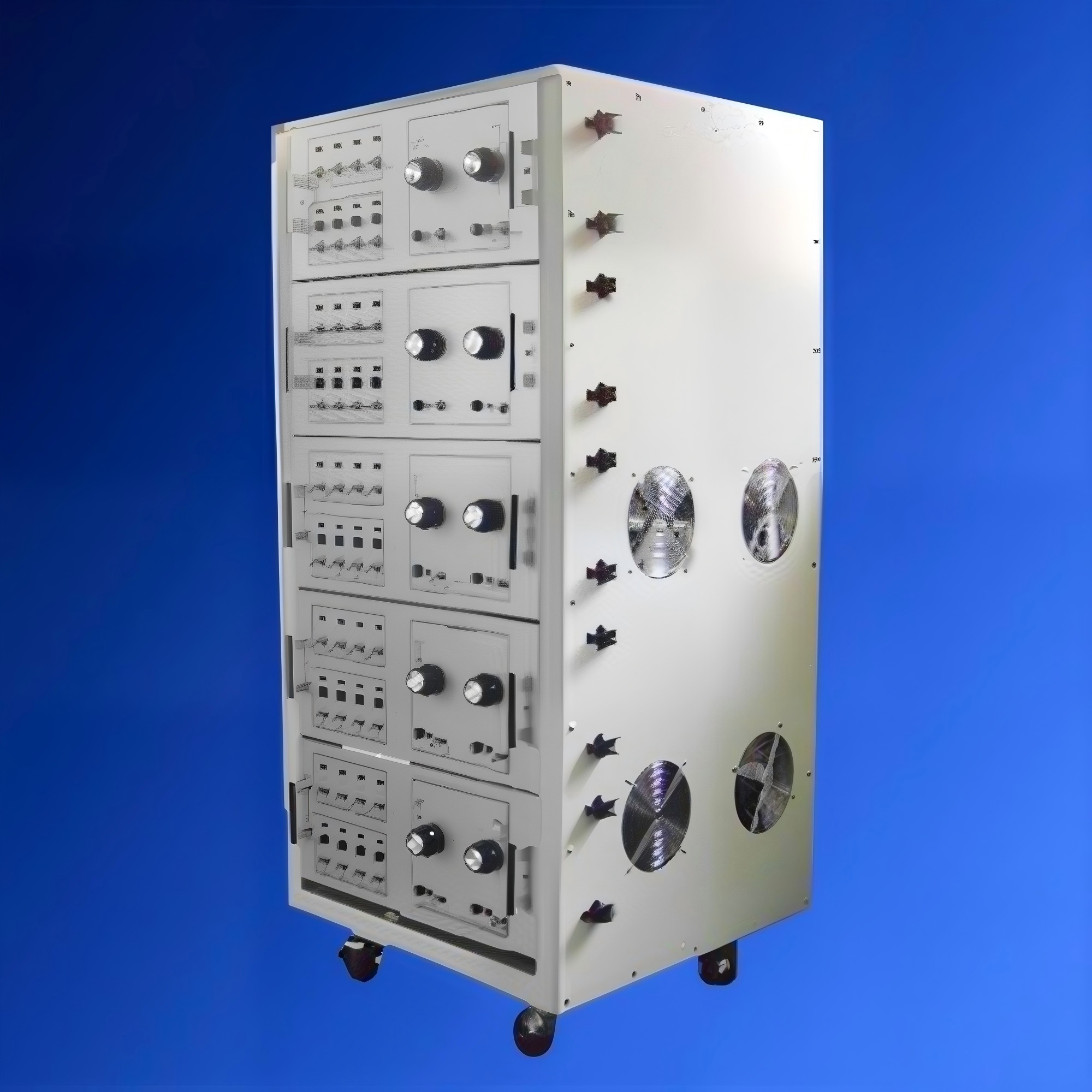
A load bank is an electrical device that can be temporarily connected to a generator’s power output. By adjusting its calibrated switches, you can set the load bank’s load level to produce a specific output power.
What Is a Generator Load Test?
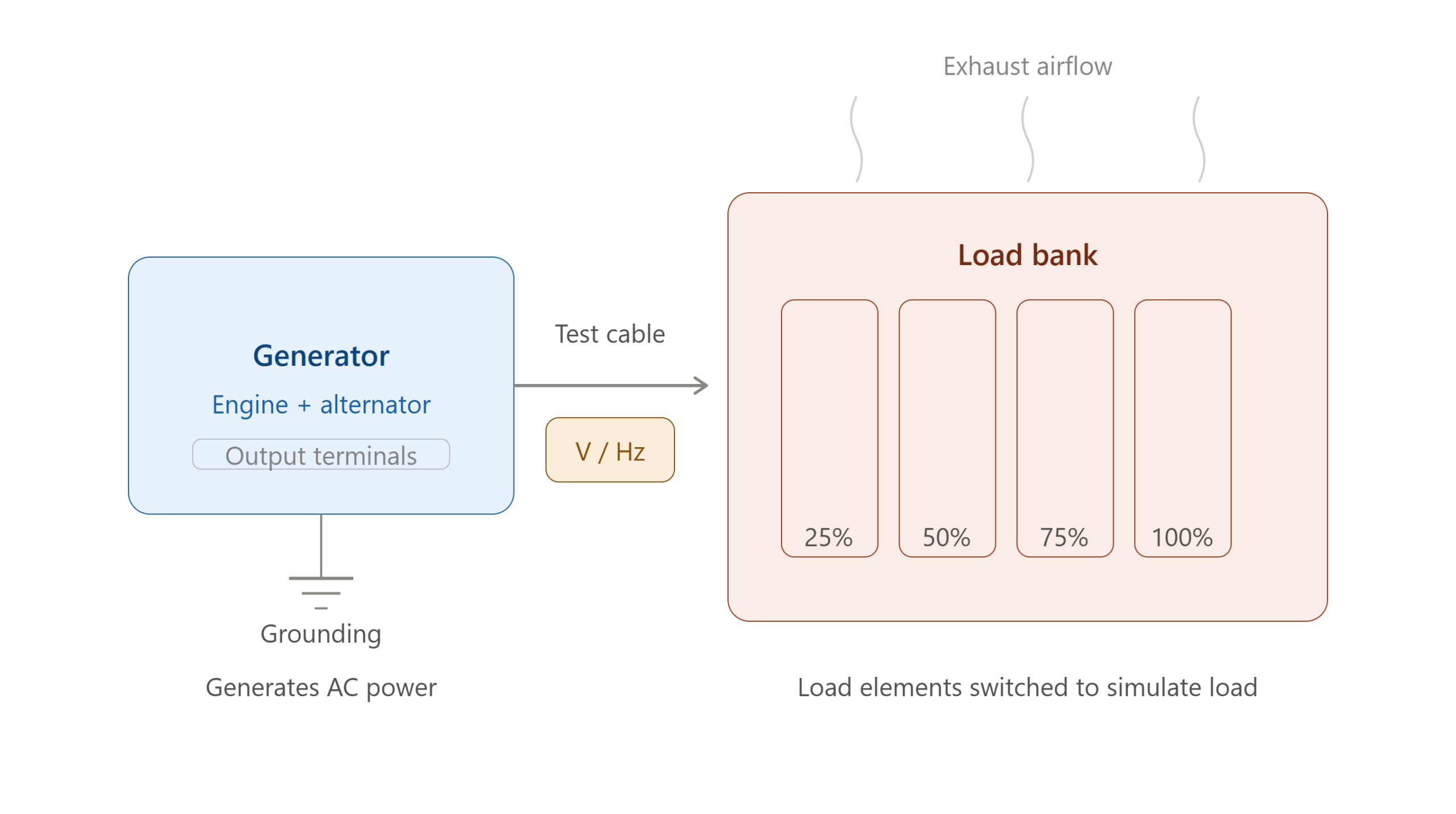
A generator load bank test is an important part of preventive generator maintenance. The generator is connected to a load bank to test its load performance. By switching individual load elements on and off, the load bank lets technicians simulate different load levels and evaluate the generator’s performance under controlled conditions.
Why Load Bank Testing Matters for Your Generator
The core value of load bank testing is verifying your generator’s actual performance. Just because a generator starts up normally doesn’t mean it can actually carry a load.
Verifying the Generator’s Load Capacity
Load bank testing gradually increases the load — for example, stepping up from 0% → 25% → 50% → 75% → 100% — and records the generator’s condition at each step. This is meant to evaluate the generator’s acceleration performance and its ability to keep running over extended periods.
Testing the Generator Under Full Load
A generator load test runs the generator at its maximum rated power, testing and recording its condition under full load. Running at full load also helps clear wet stacking from inside the engine and keeps your generator set healthy.
Preventing Wet Stacking
If a diesel generator sits idle for long periods or runs under low load, unburned fuel mixes with soot and other combustion residue and builds up in the exhaust system — this is what’s known as wet stacking. Wet stacking can cause a range of problems: it can damage engine components, reduce combustion efficiency, and in more severe cases, disable the engine or even start a fire. During a load test, the generator runs on full fuel and full load, which burns off that unburned fuel.
By now you probably have a sense that load testing serves two purposes — it verifies your generator set’s load performance and clears out any wet stacking that may have formed. Either way, we recommend that you load-test your generator set at least once a year.
Benefits of Load Testing
- Catches problems early, so they can be fixed early — before they affect your business down the road.
- Prevents wet stacking — running under full load during the test both prevents wet stacking and clears out any that’s already formed.
- Verifies the generator set’s actual performance, not just whether it starts up normally.
- Ensures the generator will work properly when you actually need it.
- Verifies the cooling system is working — the load test lets you check the generator’s temperature, and if it exceeds the normal operating range, that suggests a possible cooling system problem.
The Generator Load Bank Testing Process
Step-by-Step Process
Step 1: Check the Generator Set’s Condition
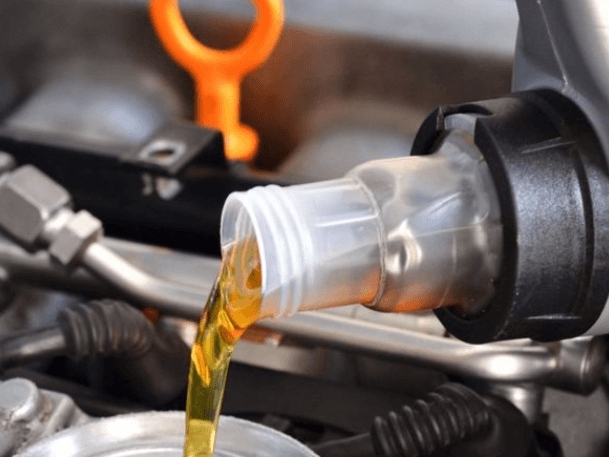
Check all the fluid levels on the generator set, such as the fuel and oil levels. Make sure the fuel tank is full and the oil is at the marked line. If your generator set uses liquid cooling, also check the coolant level.
Step 2: Check the Load Bank’s Condition
Since the load test will ultimately run the generator at full load, first check that the load bank’s capacity matches the generator’s rated power.
Step 3: Connect the Generator to the Load Bank
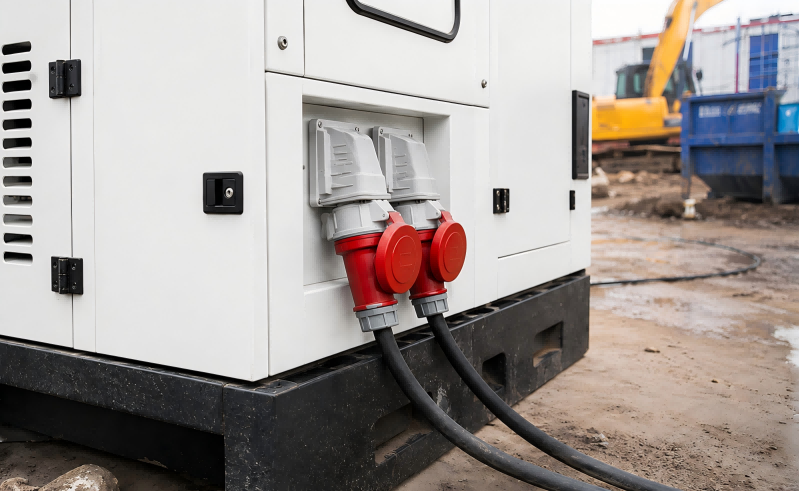
Connect the generator to the load bank using the correct cables. Because load testing can produce very high currents, make sure the cables are rated for this test, and also check that everything is properly grounded.
Step 4: Start the Generator
Start the generator and let it reach normal operating temperature. At the same time, listen for any noise louder than usual — if you hear any, shut it down immediately and inspect it.
Step 5: Increase the Load Gradually
Once the generator is started, don’t have the load bank jump to a high load right away, or it could cause the generator to stall. Start with a no-load test, then increase the load gradually — for example, in steps of 25%, 50%, 75%, and 100% — giving the generator time to adjust at each stage.
Step 6: Record the Data
Record the data at each load stage — the generator set’s frequency, output voltage, and output power.
Step 7: Run the Generator at Its Rated Power
Run the generator under full load. Pay close attention to output voltage, frequency, engine speed, oil pressure, and fuel consumption, and also watch for overheating, stalling, or excessive exhaust.
Step 8: Load Shedding Test
For the load shedding test, gradually reduce the load bank’s load back down to 0, the same way you increased it. Watch for excessive fluctuations in frequency, voltage, or power output, as well as changes in engine speed. If the engine speed rises excessively after shedding the load, this may indicate a problem with the governor.
Step 9: Let the Generator Cool Down
Once the load reaches 0 and you’ve confirmed the generator is running normally, don’t shut it down right away. Wait for it to stabilize, monitor the temperature, and only turn it off once the temperature has dropped to the level specified by the manufacturer.
UsuperPower performs a load bank test on every product, so you can count on receiving a fully qualified unit.
Generator Parameters Covered in the Test
Here are the parameters covered in a load test, for your reference:
| Parameter | Meaning |
| Load kW | Actual output power |
| Voltage | Generator voltage stability |
| Frequency | Engine speed stability |
| Oil pressure | Engine lubrication condition |
| Fuel consumption | Engine fuel efficiency |
These parameters together cover the entire generator set.
Final Thought
Load testing your generator set is essential. A generator shouldn’t be evaluated on its rated capacity alone — its reliable performance under real operating conditions matters just as much. If you have any questions, feel free to contact the UsuperPower team — we provide one-stop power solutions for you.
FAQ
How Long Does a Load Test Usually Take?
A generator load test usually takes around 2 hours, though there’s no fixed duration — the time needed depends on the generator itself, the purpose of the test, and the manufacturer’s requirements, among other factors.
Does the Environment Affect Load Testing?
Yes, the environment does affect it. Temperatures that are too high or too low can both affect generator performance, so be prepared for warming up and cooling down as needed. It’s best to test the generator in an open, well-ventilated area — poor ventilation can cause incomplete fuel combustion and affect performance.
When Should You Do a Load Test?
At least once a year, though the exact schedule depends on your industry and your generator manufacturer’s requirements. For example, healthcare facilities typically need to load-test their generators monthly or quarterly. Requirements for generator load testing can also vary by country and region. For industries that use generators infrequently, an annual check is usually enough.
Why Do Standby Generators Especially Need Load Testing?
Standby generators aren’t used often, and generators that sit idle are prone to wet stacking, which affects their performance. Load testing helps prevent wet stacking and can also clear out any that’s already formed — which is why standby generators especially need regular load testing.
Can a Load Bank Test Replace Testing Under Actual Real-World Load?
No, it can’t. A load bank test is designed to evaluate the generator’s performance, but it can’t fully replicate real-world conditions. We recommend doing both types of testing.
What Happens If the Generator Fails During a Load Test?
If the generator emits excessive smoke, makes unusually loud noise, or overheats during the test, shut it down immediately — continuing to run it could damage the generator. After shutting it down, check right away whether the exhaust system is blocked, whether the fuel is contaminated, and whether severe wet stacking has already developed.