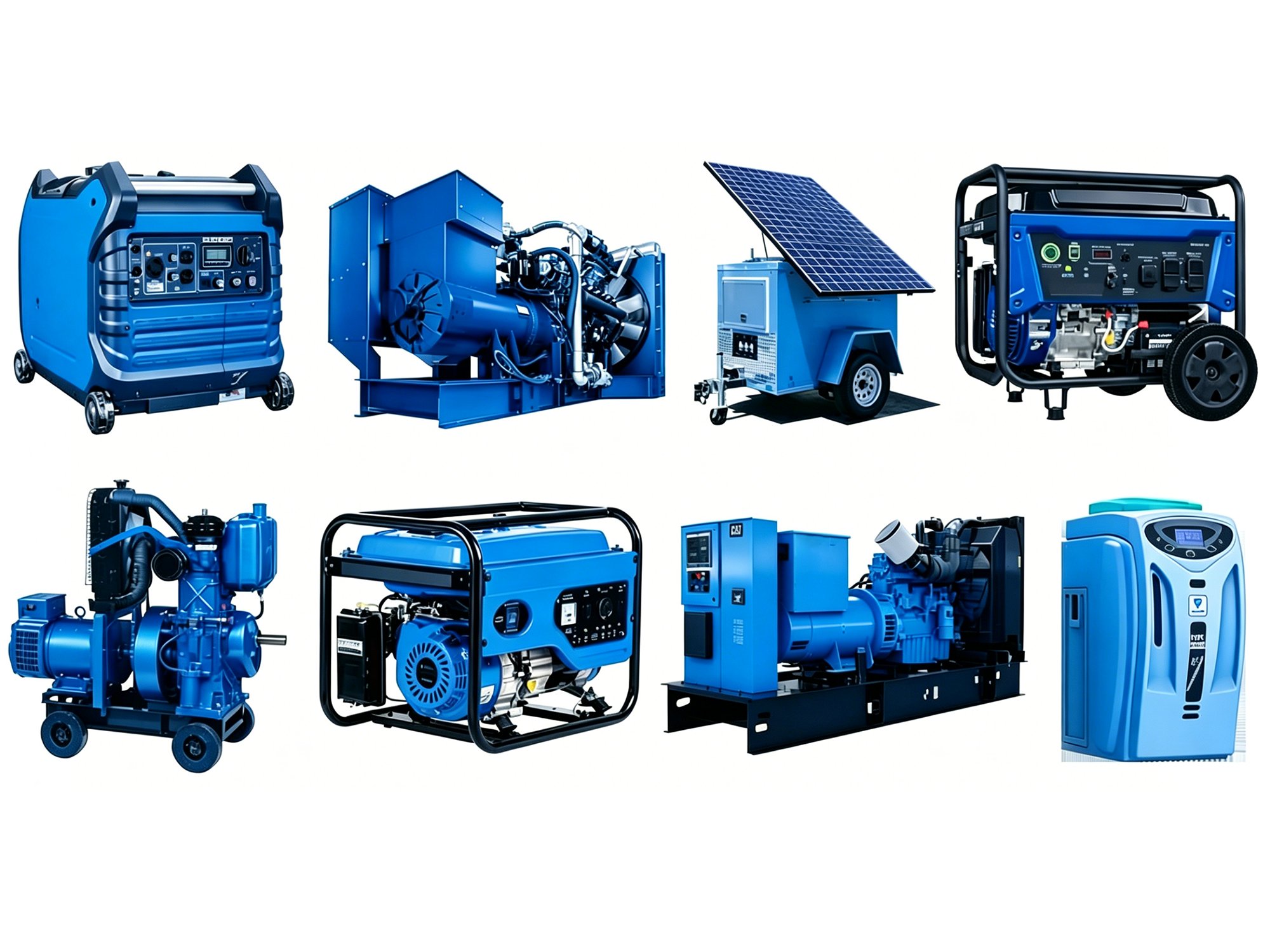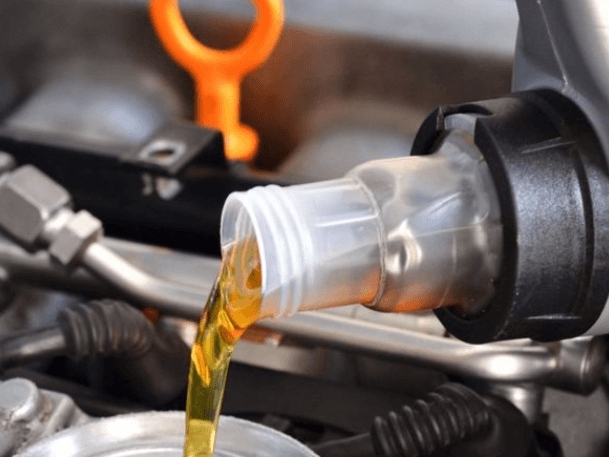
In a generator set, a small amount of engine blow-by is normal. But if blow-by increases noticeably, the engine’s crankcase pressure rises and oil consumption goes up, which means the engine’s components are worn and need further inspection.
UsuperPower will walk you through engine blow-by below, so you can better identify problems and maintain your engine.
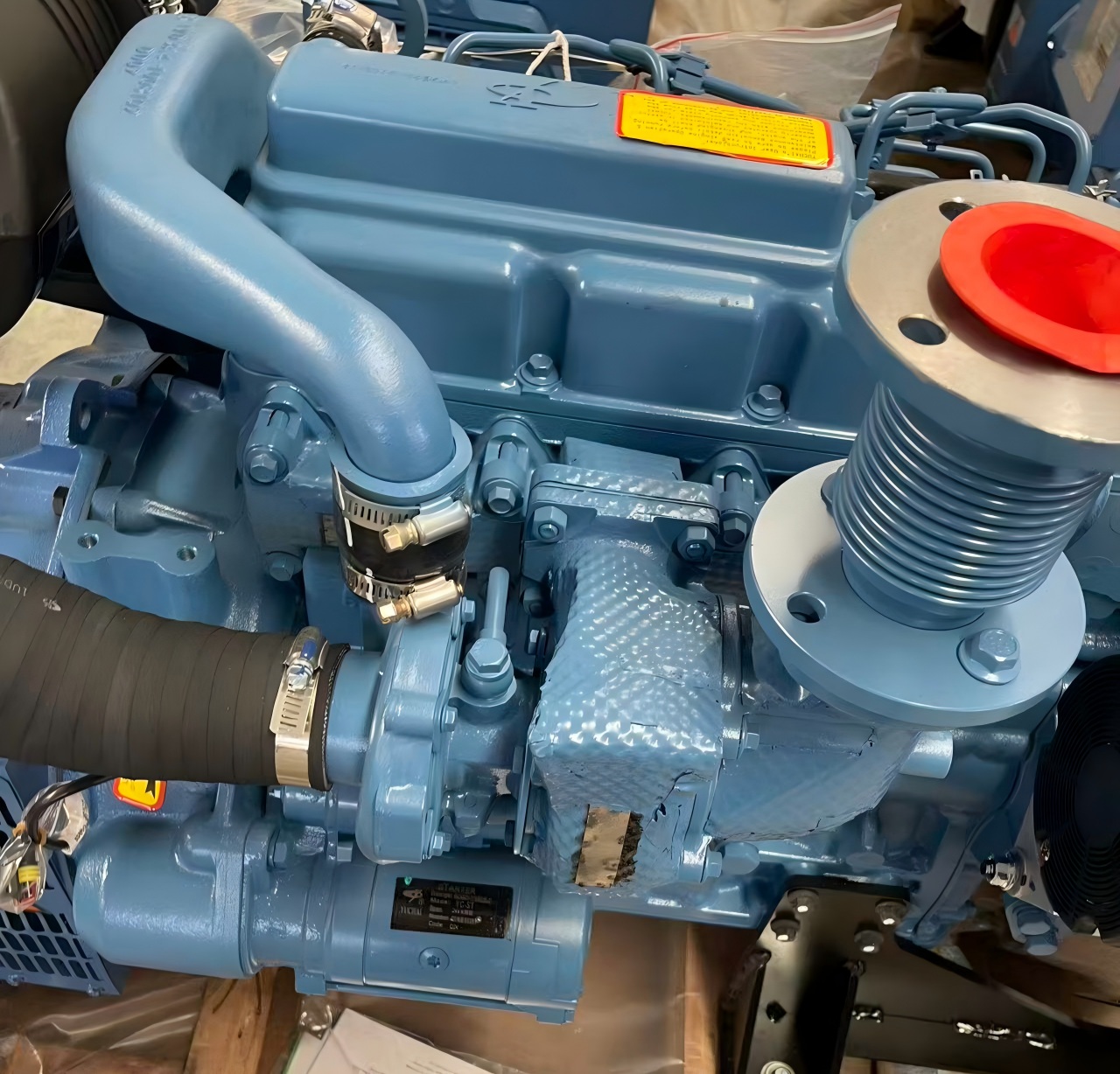
What Is Engine Blow-By?
During combustion in the engine’s combustion chamber, high-pressure gas is produced, and some of it leaks past the piston rings and cylinder wall into the crankcase — this is what’s known as engine blow-by.
Let’s walk through how the engine operates, so you can understand blow-by more clearly:
- Step 1: Intake
Air enters the cylinder.
- Step 2: Compression
The piston moves upward, compressing the air.
- Step 3: Combustion
Fuel is injected into the combustion chamber, mixes with the compressed air, and burns to produce high pressure.
- Step 4: Power Stroke
The high-pressure combustion gas pushes the piston downward. At the same time, if the piston rings or cylinder wall are worn or aged, gas will leak past them and end up in the crankcase — severe leakage can cause abnormal crankcase pressure.
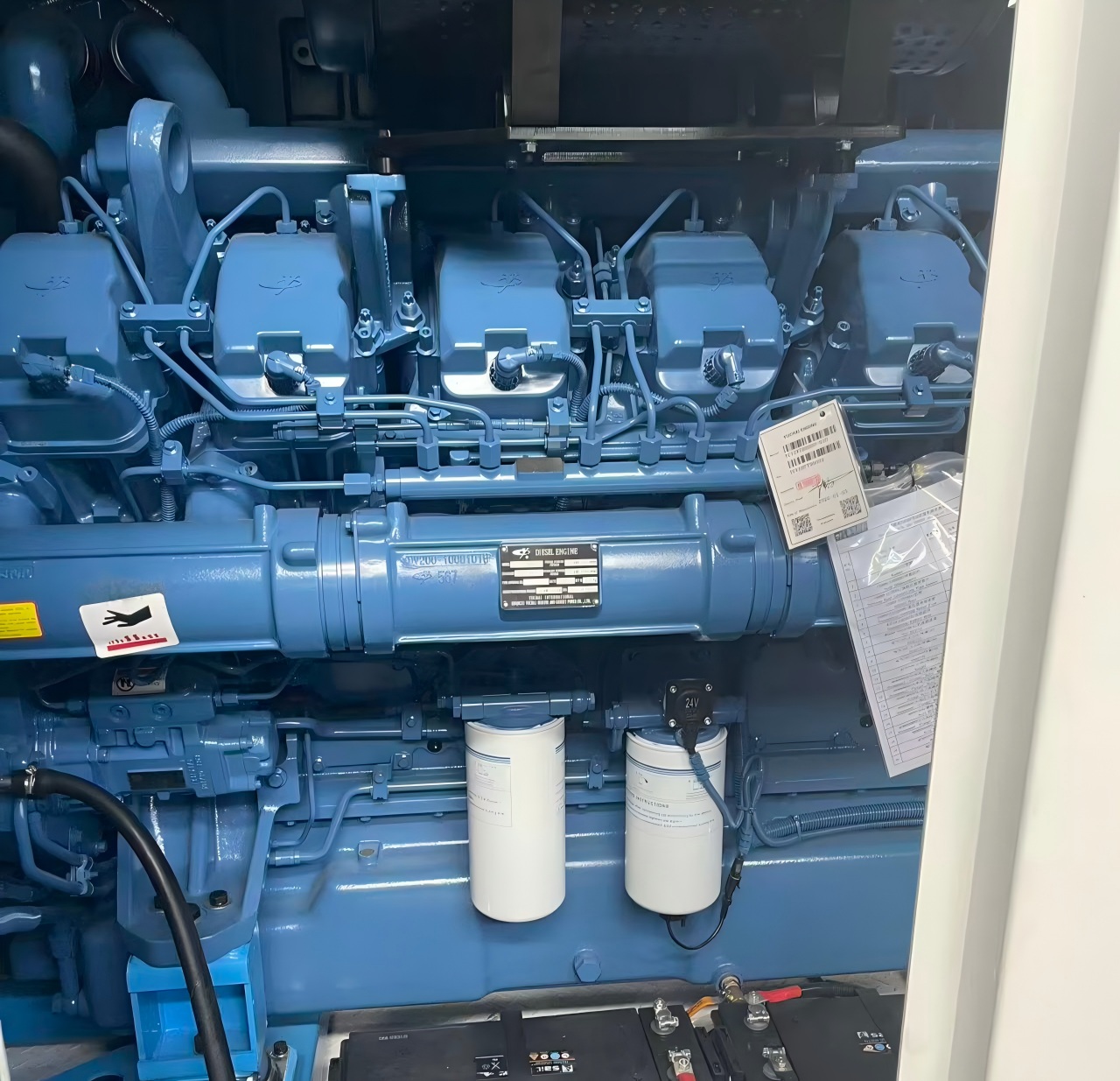
Causes of Blow-By
Engine blow-by is mostly caused by component wear — the parts responsible for sealing gradually wear down as the engine runs, and once their sealing ability drops, combustion gas leaks through.
Piston Damage
Piston damage is what you should watch most closely. Over long-term use, the piston wears down and becomes thinner. As it wears, dust builds up in the combustion chamber and forms grooves on the piston. These grooves let the compressed fuel-air mixture leak into the crankcase, causing engine blow-by.
Worn or Improperly Installed Piston Rings
Piston rings slide back and forth inside the engine and gradually wear down, losing their sealing ability. Contaminants can also enter the engine and wear down the piston rings, reducing their seal and causing engine blow-by.
Damaged Cylinder Walls
The piston and rings continuously rub against the cylinder, and as the engine keeps running, the cylinder wall wears down. The cylinder bore gradually widens, the gap between the piston and cylinder wall keeps growing, and compressed gas flows around the piston — causing engine blow-by.
Symptoms of Blow-By
Rising Crankcase Pressure
Once compressed gas enters the crankcase, it causes crankcase pressure to rise.
Engine Oil Leaks
After blow-by occurs, crankcase pressure builds up, causing oil to leak from the seals.
Excessive Vapor from the Crankcase Vent Tube
As the seal degrades, combustion gas leaks into the crankcase — the heavier the smoke coming out of the vent tube, the more severe the blow-by. The engine will also be noticeably noisier than usual.
Difficulty Starting
Severe wear on the piston rings and cylinder walls also causes compression pressure to drop, making the engine hard to start or unstable when starting.
Reduced Engine Power
Losses during the compression and power strokes affect the engine’s overall power output — fuel consumption rises abnormally and fuel economy drops noticeably.
UsuperPower recommends that you evaluate your engine’s condition using multiple indicators rather than a single symptom. For generator applications, parameters like engine load, oil pressure, coolant temperature, operating hours, fuel consumption, and crankcase condition give you a more complete picture of the engine’s health.
How Engine Blow-By Affects Your Generator Set
Before explaining how blow-by affects your generator, let’s first go over how a generator works.
The engine is a key component of the generator set, responsible for producing mechanical energy. When fuel enters the engine, the engine runs and drives the alternator, and the alternator generates electricity.
Effect on Fuel
If engine blow-by is severe and accompanied by a drop in compression pressure, fuel won’t burn completely, and the engine won’t be able to reach its rated speed. This means the engine can’t properly drive the alternator, which can affect the generator’s output performance and reduce its power.
Effect on Oil
After excessive engine blow-by, crankcase pressure rises and causes oil to leak. Once oil leaks out, its lubricating ability drops, wear on the engine’s components accelerates, engine speed is affected, and this in turn affects power generation efficiency.
Why You Should Pay Extra Attention to Blow-By in Your Generator Set’s Engine
A car engine might only run for a few hours a day. But your generator set, whether it serves as your business’s backup power or primary power source, often needs to run continuously for long stretches under heavy demand — and the engine is a critical part of that generator. That’s why monitoring for excessive engine blow-by is part of preventive engine maintenance.
For the sake of your business, you should pay even closer attention to the engine inside your generator set — especially if you operate in settings like mining sites, data centers, or hospitals.
How to Prevent Engine Blow-By
So how do we prevent excessive engine blow-by and excessive crankcase pressure in the first place? As with many things, proper maintenance is crucial. Here are some points worth noting:
Use High-Quality Fuel
High-quality fuel does cost more, but it’s well worth it if you want your generator to last. High-quality fuel is less likely to form carbon deposits and burns more efficiently.
Replace the Crankcase Ventilation Filter Regularly
The crankcase ventilation filter is designed to filter out the oil mist and harmful particles produced by blow-by. If the filter gets clogged, oil mist and particles will build up in the crankcase and cause crankcase pressure to rise.
Replace the Piston Rings Regularly
As the engine keeps running, the piston rings wear down and lose their sealing ability, leading to blow-by. Replacing the piston rings regularly reduces the chances of blow-by occurring.
Clean Out Carbon Deposits
Fuel combustion produces carbon deposits, which build up on the cylinder walls and piston and affect the piston rings’ sealing ability. If you suspect the piston rings are stuck due to carbon buildup, have a professional inspect and address it according to your engine model and service manual.
Final Thought
A small amount of engine blow-by is common, but severe blow-by is something you need to watch for. To keep blow-by from becoming severe, stay on top of routine maintenance — replace components regularly and keep the engine clean. Neglecting maintenance will affect the performance of the entire generator set. If you’d like to learn more, feel free to contact us. UsuperPower provides one-stop power solutions for you.
FAQ
What’s a Normal Level of Engine Blow-By?
A small amount of engine blow-by is normal — piston rings can’t guarantee a completely airtight seal. But if you notice abnormally high crankcase pressure, increased oil consumption, or reduced power, the blow-by needs further inspection.
If My Engine Has Blow-By, How Much Longer Can My Generator Set Be Used?
Blow-by alone doesn’t tell you how much life your generator set has left. If you notice abnormalities like high crankcase pressure or reduced power, have a professional inspect it and make that judgment.
Is Engine Blow-By Related to Engine Runaway?
The two aren’t directly related. Blow-by is combustion gas entering the crankcase, while runaway is when an engine loses control because it keeps burning fuel from an abnormal source. Severe engine wear may increase the risk of oil entering the combustion chamber, but that doesn’t mean blow-by will necessarily lead to runaway.
Why Does Blow-By Happen Even in New Engines?
There has to be a small gap between the piston rings and the cylinder wall, so the rings can never provide a completely airtight seal. Even new engines will have a mild level of blow-by, and that’s completely normal.
How Often Should You Check the Air Filter on a Diesel Generator?
Check the air filter according to the manufacturer’s recommended schedule. If you’re operating in a dusty environment or one with poor air quality, you’ll need to check it more often.
Is Blow-By the Same as Wet Stacking?
No, they’re not the same. Blow-by refers to combustion gas entering the crankcase, while wet stacking happens when a generator set runs under low load and unburned fuel and soot build up in the exhaust system. The two occur in different places.