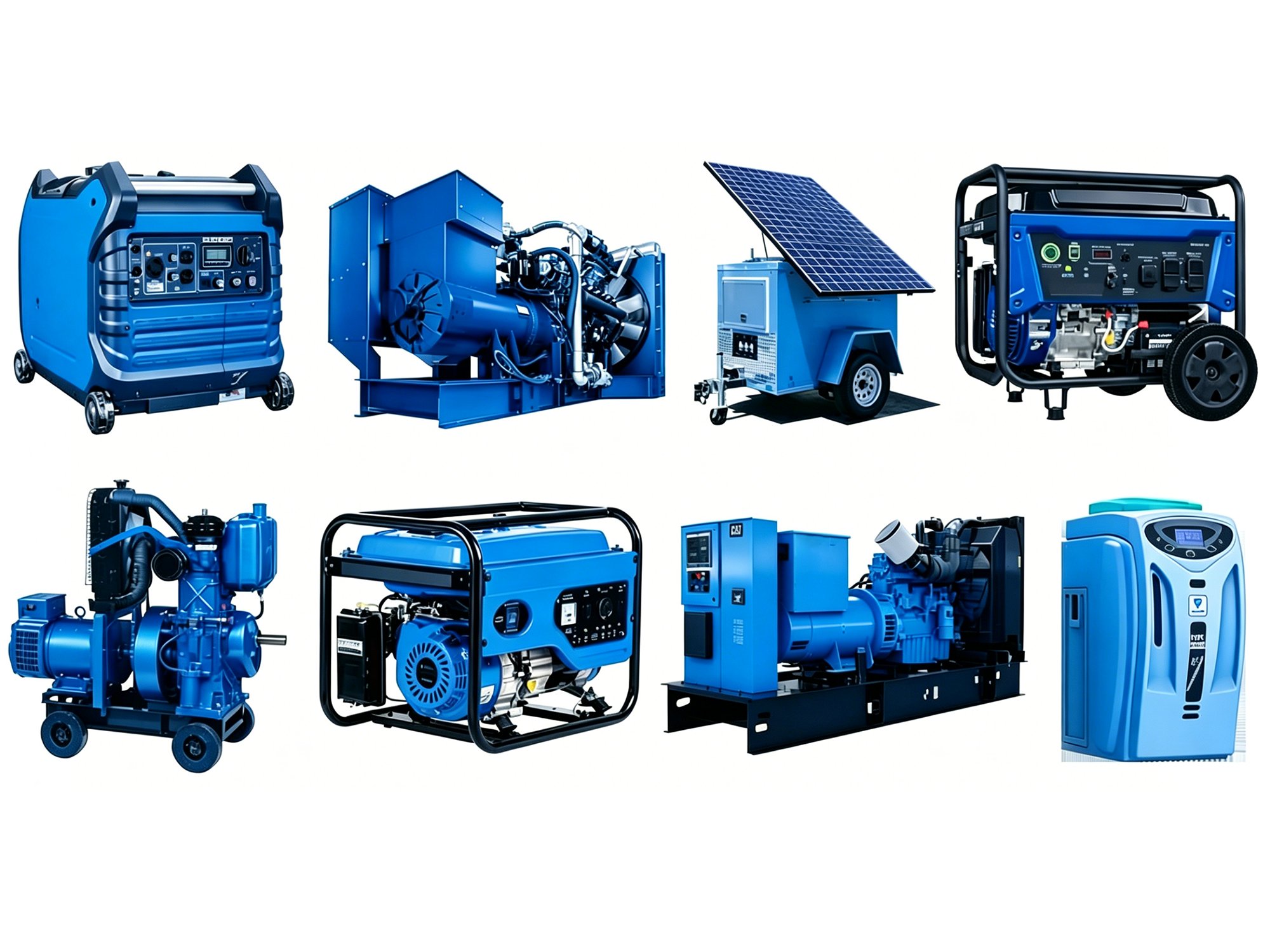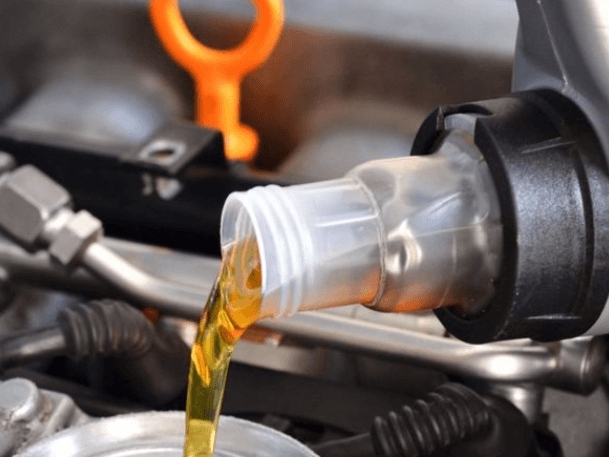
The type of fuel the generator uses matters a great deal. As the industry keeps evolving, there are now five main fuel types to choose from: diesel, gasoline, natural gas, propane, and biodiesel. Each fuel has its own characteristics, UsuperPower will walk you through how to choose the right one.
Why Fuel Choice Matters
A generator is like a car — it needs fuel to run. The fuel you choose affects the generator’s performance and form factor, and each fuel, from clean natural gas to powerful diesel, has its own distinct advantages. You’ll want to choose the right generator for your business, whether you need temporary power for a commercial building during a grid outage, a generator for continuous use at a mining site, or one that meets local emissions requirements.
Five Common Fuel Options for Generators
The five main types are diesel generators, gasoline generators, natural gas generators, propane generators, and biodiesel generators. Here’s a look at each one’s characteristics and use cases.
Diesel
Diesel is one of the most commonly used fuels in generator sets, especially suitable for medium and large-scale power generation applications. It has a relatively high energy density and can be stored in dedicated fuel tanks on site, making it highly suitable for scenarios that require prolonged operation.
Characteristics: Diesel has a long shelf life, strong economics, and durability. It’s stored in dedicated fuel tanks, which allows it to be kept for extended periods.
Applications of generators powered by Diesel: Industrial facilities, data centers, telecom sites, construction projects, mining, standby power, and prime power.
Notes on Diesel Storage: Diesel’s shelf life is longer than gasoline’s, but that doesn’t mean you can ignore storage. Water, oxygen, and dust can all degrade diesel, so use a fuel stabilizer and properly maintain your diesel containers to extend the fuel’s usable life.
Gasoline
Gasoline is a common liquid fuel, usually used in small power generation units. Compared with diesel, gasoline has poorer storage stability and a higher flammability. Therefore, when using gasoline, appropriate safety measures must be taken to ensure safety.
Characteristics: Gasoline is a widely available fuel and is commonly used in portable generators. Suitable for smaller power requirements.
Applications of generators powered by Gasoline: Temporary sites, small workshops, events, small commercial facilities, and other applications with relatively low power requirements.
Natural Gas
Natural gas is a clean fuel that produces fewer pollutants when burned. Unlike liquid fuels such as diesel and gasoline, natural gas can often be supplied directly to the generator through a pipeline, reducing the need for on-site liquid fuel storage.
Characteristics: Natural gas burns cleaner than gasoline and diesel, and in areas with an ample natural gas supply, it also tends to be lower in cost.
Applications of generators powered by Natural gas: Commercial buildings, manufacturing facilities, industrial plants, distributed power generation, and other sites with reliable natural gas infrastructure.
Propane
Propane is a type of liquefied petroleum gas (LPG) that can be stored in specialized tanks and directly supplied to generators for use.
Characteristics: Propane has a very long shelf life and doesn’t degrade over time. It’s also flexible to store, since it can be kept in containers of various sizes.
Applications of generators powered by Propane: Similar to natural gas generators — commercial and industrial use.
Biodiesel
Biodiesel is a type of diesel made from plant oils or animal fats, and it serves as a sustainable alternative to regular diesel.
Characteristics: It’s a renewable fuel that reduces dependence on fossil fuels, and it produces fewer carbon emissions than standard diesel.
Applications of generators powered by Biodiesel: Generally compatible with diesel generator applications.
Note: Whether your diesel generator can run on biodiesel depends on the unit — check the manufacturer’s information carefully before using it.
To help you keep all this fuel information straight, we’ve put together a table for you:
| Fuel Type | Characteristics | Applications |
| Diesel | Reliable, high energy density, can run for extended periods | Industrial, backup power, prime power |
| Natural Gas | Pipeline-supplied, burns clean, suited for continuous operation | Commercial, industrial |
| Gasoline | Easy to obtain, used in smaller generators | Small commercial, temporary sites |
| Propane | Flexible fuel supply stored in tanks | Backup power, commercial |
| Biodiesel | A sustainable alternative to conventional diesel | Applications compatible with diesel generators |

Choosing the Right Generator Fuel for Your Business
Choosing the right fuel depends on your specific needs. If you want a durable generator built for long-term operation, go with diesel. If you have emissions requirements, use a natural gas generator. Propane offers flexibility when it comes to storage, and biodiesel is a sustainable alternative to standard diesel.
Factors to Consider
Usage frequency: Whether it will serve as prime power or backup power.
Location: Consider which fuel is more readily available in your area.
Budget: Balancing upfront cost against long-term expense.
Environmental factors: Local emissions regulations and sustainability.
Fuel Consumption
Factors That Affect Fuel Consumption: Load level, fuel quality, engine condition, and environmental factors can all affect fuel consumption.
Which Fuel Is Right for You? If you need long-term, high-intensity, high-load operation, we recommend a diesel generator. If natural gas is readily available in your area, a natural gas generator is a great choice — it’s low-cost and well suited for long-term use.
Fuel Transport
You’ll want to think about how you’ll refuel. Different fuel types come with different logistics. A portable gasoline generator just needs to be taken to a gas station to refuel. Natural gas is delivered through pipelines, so you don’t need to add fuel manually. Diesel needs to be ordered in bulk, and delivery can occasionally be disrupted by unforeseen circumstances, so it’s worth having a contingency plan in place.
Fuel Lifespan and Storage
A fuel’s storage life starts counting from the moment it enters the tank. Diesel is usually stored in the generator’s fuel tank — the more diesel you store, the longer the generator can run. Diesel gradually degrades over time, so you’ll need to add a stabilizer to slow that degradation, though you’ll eventually still need to replace it with fresh fuel. Propane degrades much more slowly than diesel, has a very long shelf life, and is flexible to store. Natural gas is delivered via pipeline, so storage isn’t something you need to worry about.
Sustainability
If your area has emissions requirements, you can opt for cleaner fuels like natural gas and propane, which produce fewer pollutants when burned.
Final Thought
By weighing the factors above alongside your business’s actual situation, you’ll be able to tell which fuel-type generator suits you best. Not sure which fuel is right for your business? Contact UsuperPower and send us your requirements — we’ll provide you with one-stop power solutions.
FAQ
What’s the Best Fuel for a Generator?
There’s no single fuel that’s best for every generator. Diesel generators are mainly used for industrial equipment and applications that need continuous power. Natural gas generators are a good fit for areas with a natural gas supply. Gasoline generators are suited to powering small equipment. The best fuel depends on your specific situation.
What’s the Difference Between Natural Gas and Diesel as Generator Fuel?
The biggest differences between natural gas and diesel come down to transport, storage, and combustion byproducts. Natural gas is supplied via pipeline directly to the generator, so you don’t need to manually refuel. Diesel generators have a fuel tank that you need to fill by pouring diesel into it. As a cleaner energy source, natural gas produces fewer pollutants when burned than diesel does.
How Big Should a Generator’s Fuel Tank Be?
The size of a generator’s fuel tank mainly depends on its rated power, actual load, actual fuel consumption, and local installation codes. If you need to run the generator for extended periods, you can opt for a larger tank.
Does a Generator’s Load Affect Fuel Consumption?
Yes, it does. As the load increases, fuel consumption rises as well. That said, it’s especially important not to run the generator for extended periods at very low or very high load — we recommend keeping it at around 75% load.
What’s the Best Fuel for a Data Center Generator?
If you’re powering a data center, a diesel generator is a solid choice — diesel generators are rugged and durable, and they can run for extended periods.
Can Water Get Into Diesel Fuel?
Yes, water can get into diesel fuel. It causes the diesel to degrade and become contaminated, which significantly hurts combustion efficiency and can damage the engine. So keep your diesel generator in a dry location and take proper precautions against water intrusion.
Does Using a Larger Generator Save on Fuel?
No, it doesn’t. A generator’s fuel consumption depends on more than just its size — it also depends on engine efficiency, load, and operating condition. The most fuel-efficient generator isn’t necessarily the biggest one; it’s usually the one that can adjust its output based on the actual load.