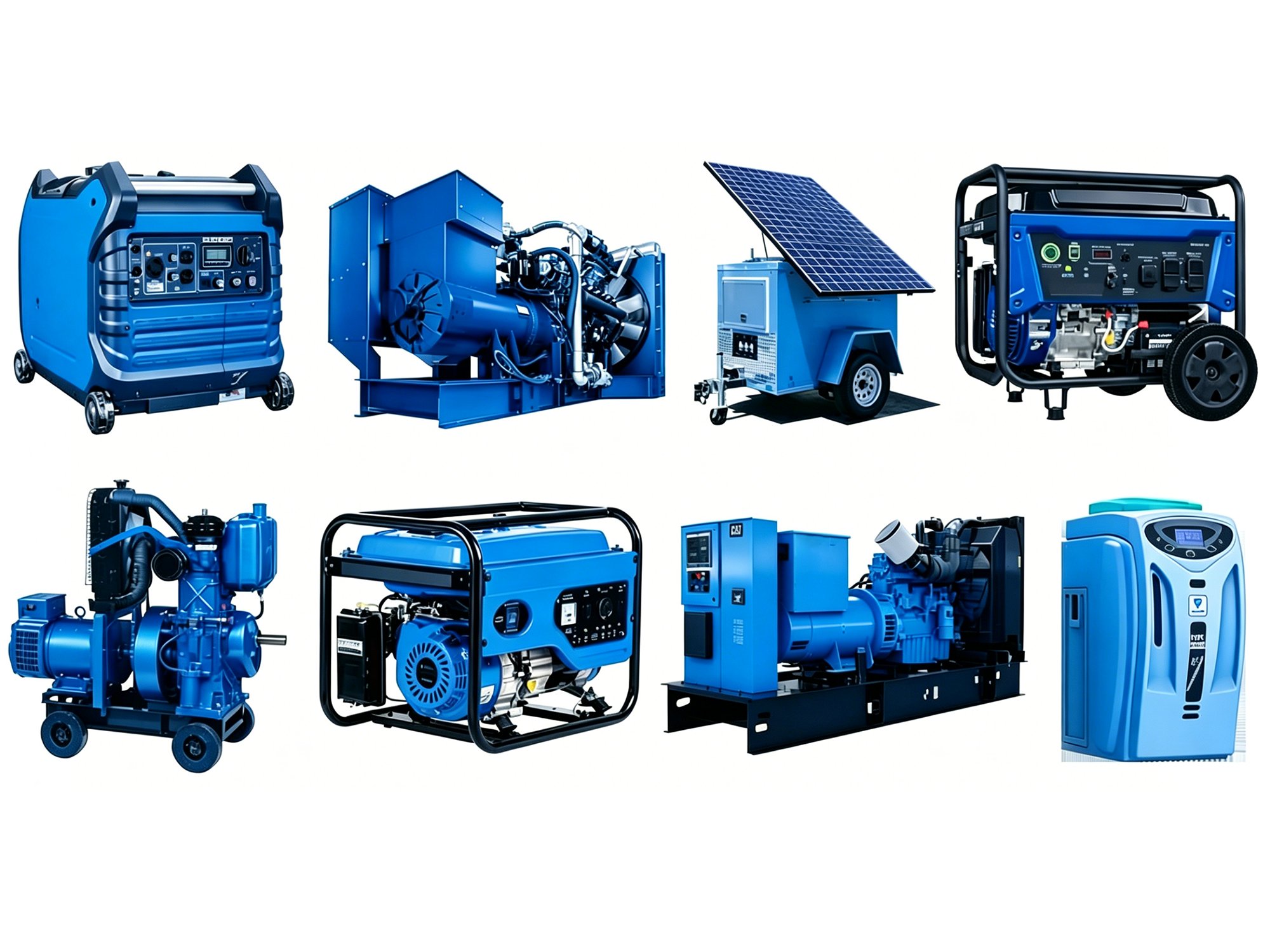
A generator needs an effective cooling system to prevent overheating. Overheating may reduce your generator’s operating efficiency, shorten its lifespan, and even cause unwanted shutdowns.
In this article, you will see the comparison between air-cooled and water-cooled generators and how to choose the suitable cooling system for your generator.
Why Do Generators Need Cooling?
When the generator is operating, its engine burns fuel to produce electricity. But a lot of power is released as heat. With the increasing output of the generator, the load on the engine will also increase.
The too-high temperatures may cause the following:
- Reduced power output and efficiency
- Faster wear of engine components
- Damage to insulation and electrical parts
- Higher maintenance costs
- Unexpected shutdowns and equipment failure
The cooling system is the key to truly maximizing generators’ efficiency. Learning the importance of generator cooling systems is helpful. This will improve your generator operating efficiency and safety.
What is An Air-Cooled Generator?
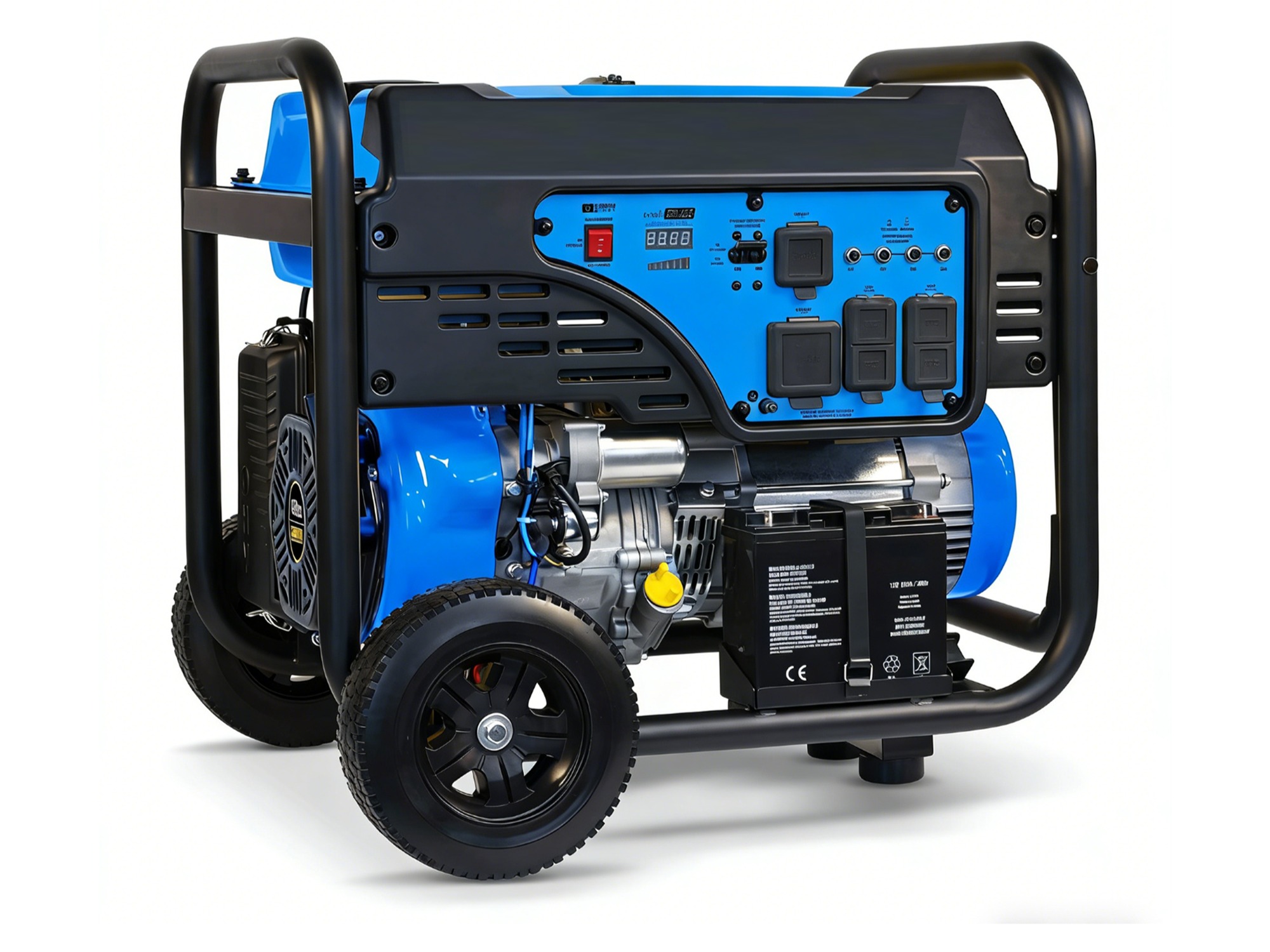
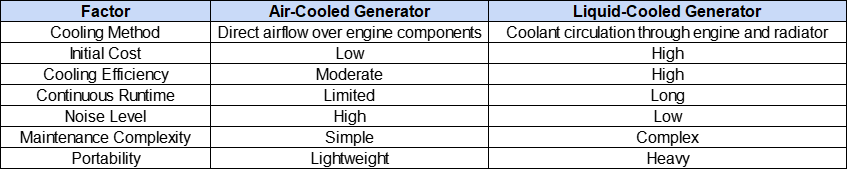
Most portable generators and home generators adopt air cooling as their cooling system. Air-cooled generators use air to cool down the engine, including passive cooling, fan blowing, etc. They intake the air from the surrounding environment, guide air above the engine components, and then release the heated air. This continuous airflow enables your engines to maintain a proper temperature and operate continuously.
However, the cooling capacity relies on the environmental temperature and the airflow of the fan or blower. Besides, the noise of air-cooled engines is usually higher.
What is An Liquid-Cooled Generator
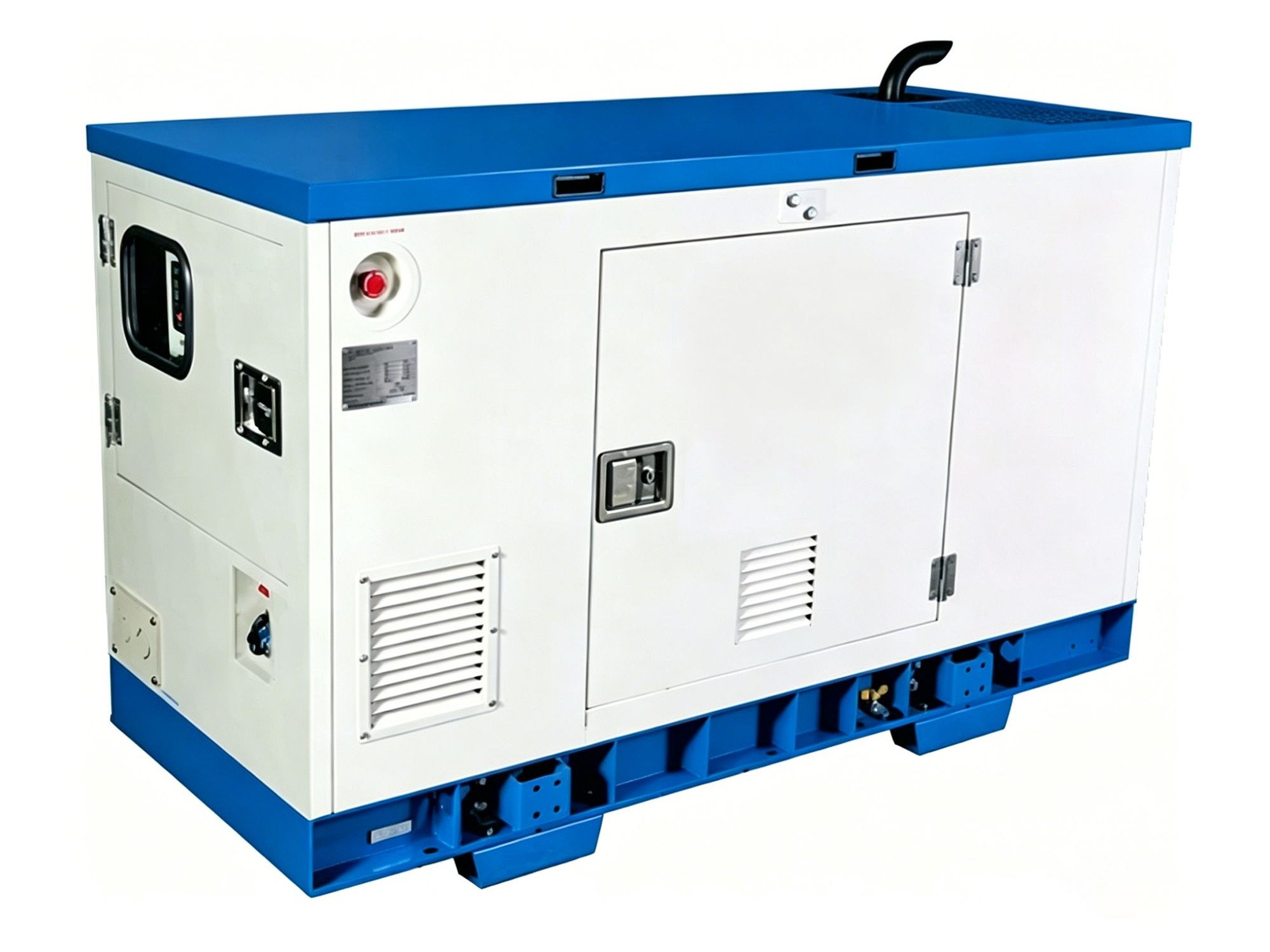
Liquid cooling, also called water cooling, is widely used in large-scale and industrial generators. It pumps the coolant into the engine cylinder block, which absorbs the heat produced by the engine before entering the radiator. The fan blows air through the radiator, taking away the heat of the coolant, which then returns to the engine.
The liquid-cooled engine needs more power to run the AC generator but also to pump coolant and drive the fan. Compared with the air-cooled generators, the liquid-cooled generators have higher cooling efficiency at a higher cost and more frequent maintenance. But considering that liquid cooling systems are more powerful and durable than air cooling systems, it is worthy to bear this cost difference.
Difference Between Air-Cooled And Water-Cooled Generators
If you are choosing the different types of cooling systems for your generators, please consider the following factors:
Cost
The initial purchase and installation costs of liquid-cooled generators are usually 15-30% higher than those of air-cooled generators. Liquid-cooled systems have more complex designs and more durable components, so the cost is higher.
Cooling Efficiency
Because the liquid-cooled generators have heavy components and faster heat dissipation, they are ideal for your commercial or industrial use.
The air-cooled generators are most suitable for applications with low load and low operating frequency. In these applications, the air-cooled system operates well and has lower costs.
Noise Level
Another consideration is the level of noise. The air-cooled generators are generally open-structure, and a fan or blower is used for cooling. If noise is a concern, liquid-cooled generators are quieter.
Portability
If you want to easily move, transport, or store your generators, air-cooled generators are usually more compact and lightweight. Liquid-cooled generators are mainly applied in large industrial and commercial generators, so their portability is not so good.
Maintenance
Both air-cooled and liquid-cooled systems need regular maintenance. The air-cooled system is simple in design and easier to maintain.
The maintenance of liquid-cooled systems is more complex. Most liquid-cooled systems require specialized toolkits and more complex maintenance procedures.
Generator Cooling System Selection Recommendation
There is no absolute best cooling solution for you, only the solution that best fits your specific application. We suggest selecting your cooling systems based on the following applications:
Home & Outdoor Activities
Requirements: Mobility, quick deployment, and occasional standby operation.
Suggestion: Air-cooled Generators
Data Centers & Telecom Base Stations
Requirements: Zero downtime, strict frequency stability, and high-density heat dissipation.
Suggestion: Liquid-cooled Generators
Hospitals & Health Care
Requirements: Extremely reliable power supply for life support system and low noise.
Suggestion: Liquid-cooled Generators
Large-scale Construction & Mining Sites
Requirements: High durability in harsh and dusty environments.
Suggestion: Liquid-cooled Generators
Warning
The hot climates will increase the pressure on the air-cooled system, reducing its cooling efficiency.
If there is not enough antifreeze in the coolant, water-cooled generators may encounter the coolant-freezing problem in cold climates.
How to Maintain Your Generator Cooling System
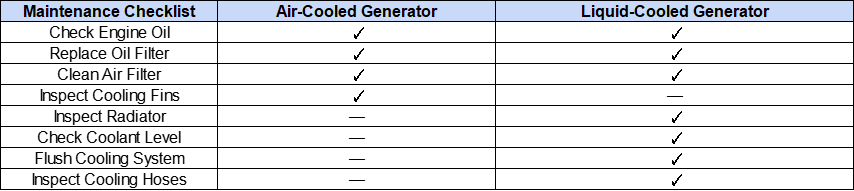
Planned maintenance of the generator cooling system is helpful for your long-term stable operation. The following are general maintenance checklists for air-cooled and water-cooled generators:
Weekly Maintenance
Start the generator to ensure its normal start-up and operation. This helps keep engine lubrication and battery charging.
Monthly Maintenance
Please check the generator for any visible signs of wear or damage and the oil level.
Quarterly Maintenance
Check and clean the air filter. Check the spark plug and replace it if necessary. Check the heat sink and remove any debris to ensure smooth airflow.
Annual Maintenance
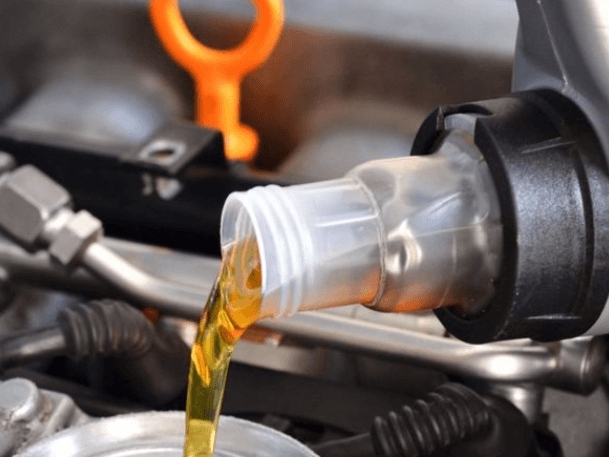
Change engine oil and oil filter. If you’ve not changed the air filter and spark plug before, these need to be changed. You need to flush the cooling system and refill the coolant. Inspect and clean the radiator and cooling system components. Ensure that all mechanical and electrical parts are thoroughly checked.
Final Thoughts
If you are unsure whether a liquid-cooled generator or an air-cooled generator is more suitable for your industrial or commercial needs. Usuper Power industry experts have rich knowledge and focus on the field of generator sets. Contact us—we are always ready to provide assistance for your specific power demands.
FAQ
How many power generators are usually air-cooled?
Many air-cooled generators are portable and home standby generators; some small diesel generators also have air-cooled configurations. They are typically below 20kVA.
Which cooling system is best for emergency standby use?
An air-cooled generator is enough for home standby use. For hospitals, data centers, and manufacturing plants, however, water-cooled generators are the answer.
Do water-cooled generators need to change coolant?
Yes. You should inspect and replace your generator coolant regularly to ensure your generator’s normal operation.
Do water-cooled generators require more installation space?
Yes. Water cooling systems are mainly used in large industrial and commercial generators and require more installation space.
Will the cooling system affect generator fuel consumption?
Yes. If the generator engine operates at a proper temperature, it can maintain a slightly higher fuel efficiency.
How to tell if a generator is liquid-cooled or air-cooled?
A radiator, coolant tank, and cooling hoses are the easiest ways to spot a liquid-cooled generator. Air-cooled generators don’t have coolant but instead have cooling fins and airflow to dissipate engine heat.