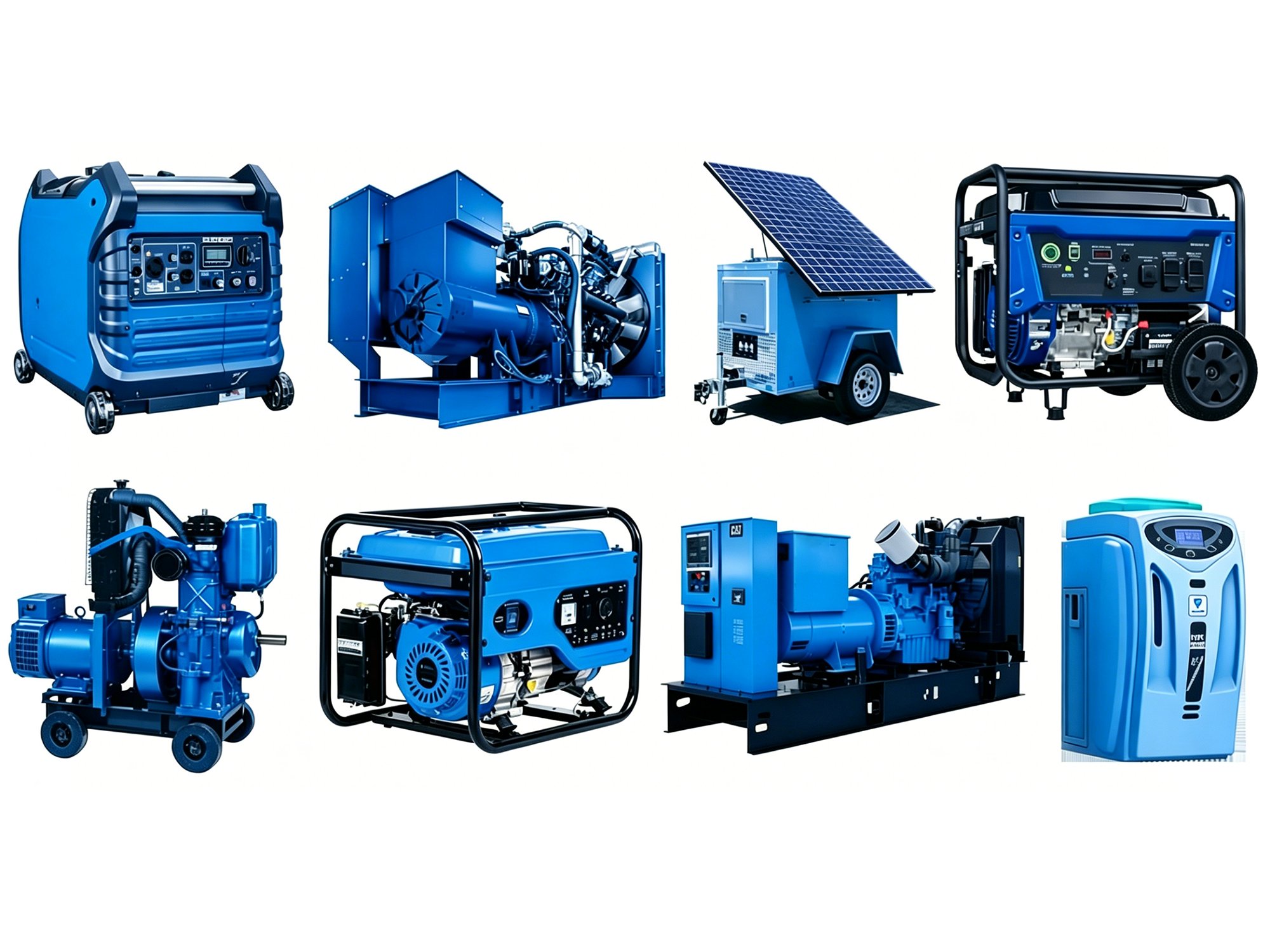
A reliable power supply is essential, and in today’s ever-changing environment, a single generator may not be able to meet a business’s power needs well. A generator paralleling system lets multiple generators supply power at the same time and adjust generation based on your actual situation. Next, UsuperPower will walk you through how generator paralleling works.
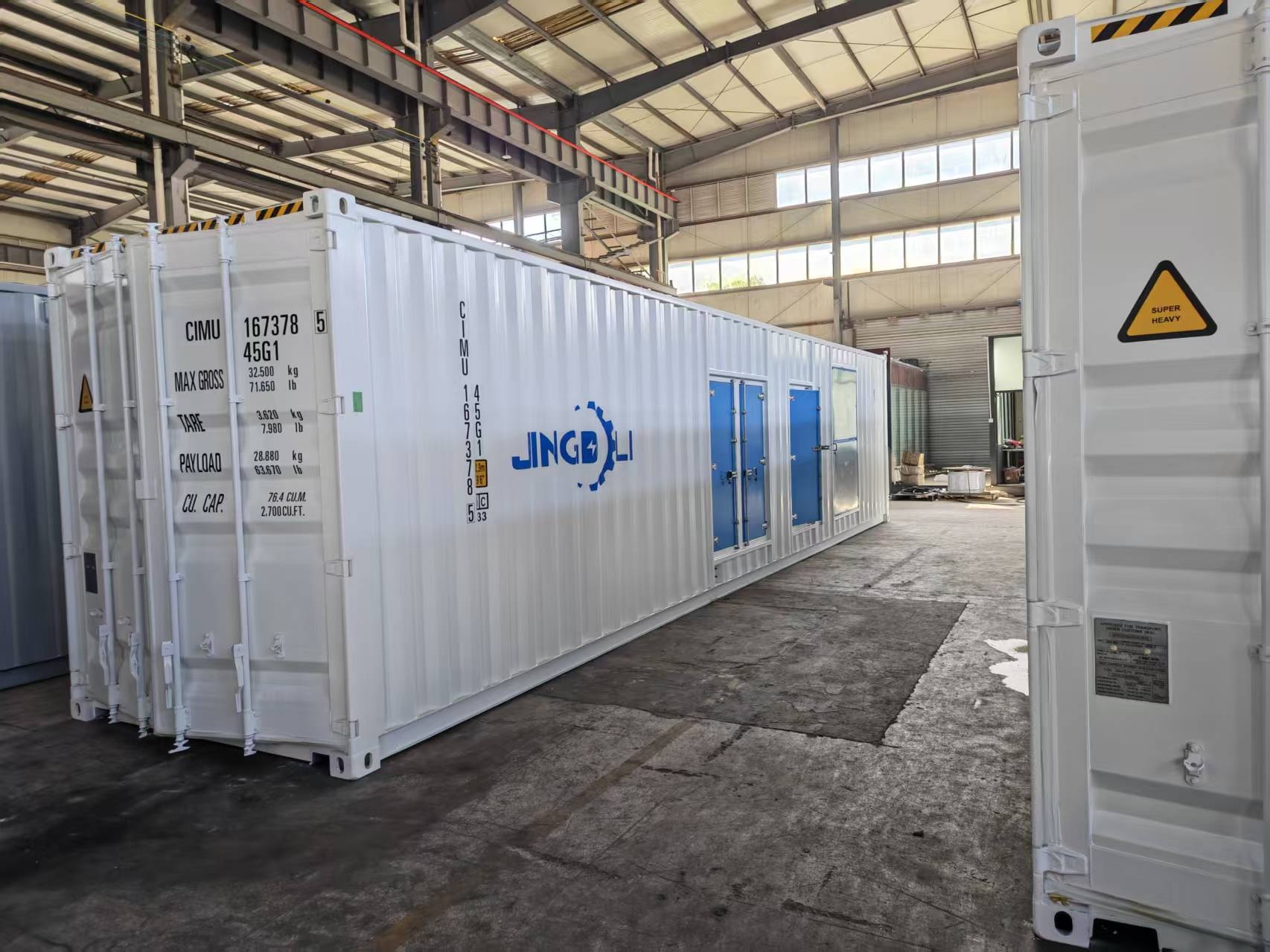
Why You Need Generator Paralleling
As businesses keep growing, their power demand rises too, but not all equipment runs at the same time. A generator paralleling system can adjust generator output based on real-time load, helping you avoid unnecessary energy costs.
Increased Total Power Capacity
In a paralleling system, multiple generators work together to produce power, increasing total power capacity.
Improved Power System Redundancy
There are several redundancy schemes today, such as N+1 and N+2, where “N” refers to the number of generators needed to meet all critical loads, and “+1”means one extra generator to handle unexpected situations. For example, if your business’s critical load needs three generators to run, N+1 means the system has four generators available, and when one of the three can’t run, the “+1” unit steps in to take its place.
Deciding How Many Generators to Start Based on Actual Load
A generator paralleling system adapts to load changes: when the load increases, it starts more generators; when the load decreases, it shuts some down.
How Parallel Generators Work
Multiple Generators Connected to a Bus
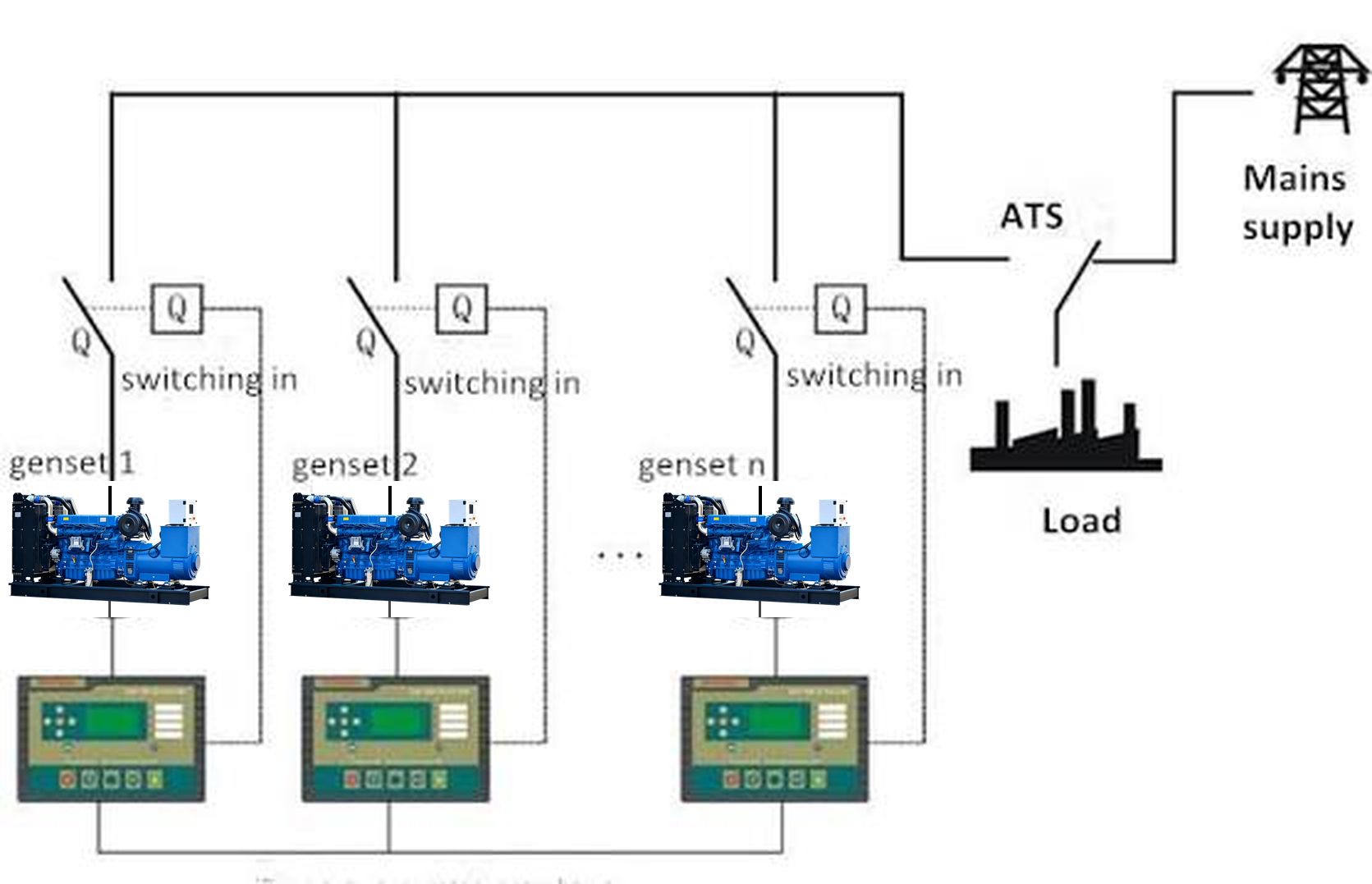
Multiple generators each connect to their own circuit breaker, then to a common bus, and finally to the load. This is the foundation of a paralleling system. They share the electrical load together, preventing any single generator from being overloaded.
Generator Startup and Stabilization
Once the gensets start, the control system checks their operating status, and when parameters such as voltage and frequency reach the specified conditions, they get ready for synchronization.
Circuit Breaker Closing
The system checks voltage, frequency, phase sequence, and phase angle to make sure the incoming genset meets the conditions for synchronized closing. Once synchronization and the related protection conditions are met, the circuit breaker closes, and the generator connects to the common bus and takes part in supplying power.
Gensets Share the Load Together
The control system coordinates each genset’s active power (kW) and reactive power (kVAR), sharing the load according to capacity and control strategy.
The system adapts to changing power demand.
When the load changes, the system adjusts each genset’s output, starting additional gensets or taking some offline when necessary.
Main Components of a Generator Paralleling System
A generator paralleling system relies on multiple components working together to achieve load distribution, synchronized operation, and a reliable power supply. Each component has its own specific role, and here’s a rundown of each for you:
Gensets: a paralleling system contains multiple gensets, connected in parallel through a bus so they can generate power at the same time.
ATS: automatically switches between utility power and generator power based on the actual situation, thereby minimizing interruptions when the main power source is unavailable.
Control Panel: monitors generator performance, provides real-time data and diagnostic information, and manages synchronization and load sharing.
Circuit Breakers: protect the generators and other system components from electrical faults and overloads by isolating problems when they occur.
Synchronizer: adjusts the voltage and frequency of multiple generators so they can work together and share the power load safely and stably.
Load Sharing Module: distributes the power load among the connected generators, preventing any single unit from being overloaded, so that each running generator operates at its best.
Advantages of Parallel Generators
Improved reliability: if one generator fails and stops, the others can keep running, reducing the risk of a complete power outage.
Better Fuel Efficiency: by distributing the electrical load sensibly, generators run in an efficient state, which can reduce fuel consumption and operating costs.
Simplified Maintenance: during routine maintenance, you can shut down one or some of the generators individually while the rest keep supplying power.
Common Applications of Parallel Generators
Parallel generator operation is used across many industries, providing reliable power support. With multiple generators working together, the system adapts to all kinds of load changes. Here’s a table showing how generator paralleling systems are applied in most industries.
| Industry | How Generator Paralleling Helps |
| Healthcare | Allows multiple generators to run and supply power at the same time to meet the power needs of medical equipment and critical facilities, with a redundant design that makes power supply flexible. |
| Mining | Lets multiple gensets work together to meet the high and fluctuating power demand of mining operations. |
| Manufacturing | By combining the power output of multiple generators, keeps energy-intensive production lines running continuously and adapts to different industrial load requirements. |
| Construction | Based on actual load and changes in project power demand, it coordinates the generators, avoiding unnecessary overuse of generating capacity. |
| Commercial Buildings | Coordinates multiple generators to meet the needs of different commercial buildings, adjusting the power supply in real time as power demand changes. |
| Data Centers | Multiple generators supply power at the same time to meet IT workload requirements, and generator paralleling supports N+1 redundancy configurations. |
What You Need to Pay Attention to When Paralleling Generators
Analyze and Calculate Your Load Requirements: you need to work out the total load and peak load of your equipment, and whether you have any sensitive equipment, then choose the right generator capacity and system configuration based on those figures.
Inspect and Maintain Your Gensets Regularly: inspect your gensets regularly so you can catch and fix problems early, reducing unexpected downtime and the losses it causes.
Train the Operators of Your Paralleling System: you need to train your power system operators to make sure they can monitor, operate, and maintain the generator paralleling system safely and effectively.
Final Thoughts
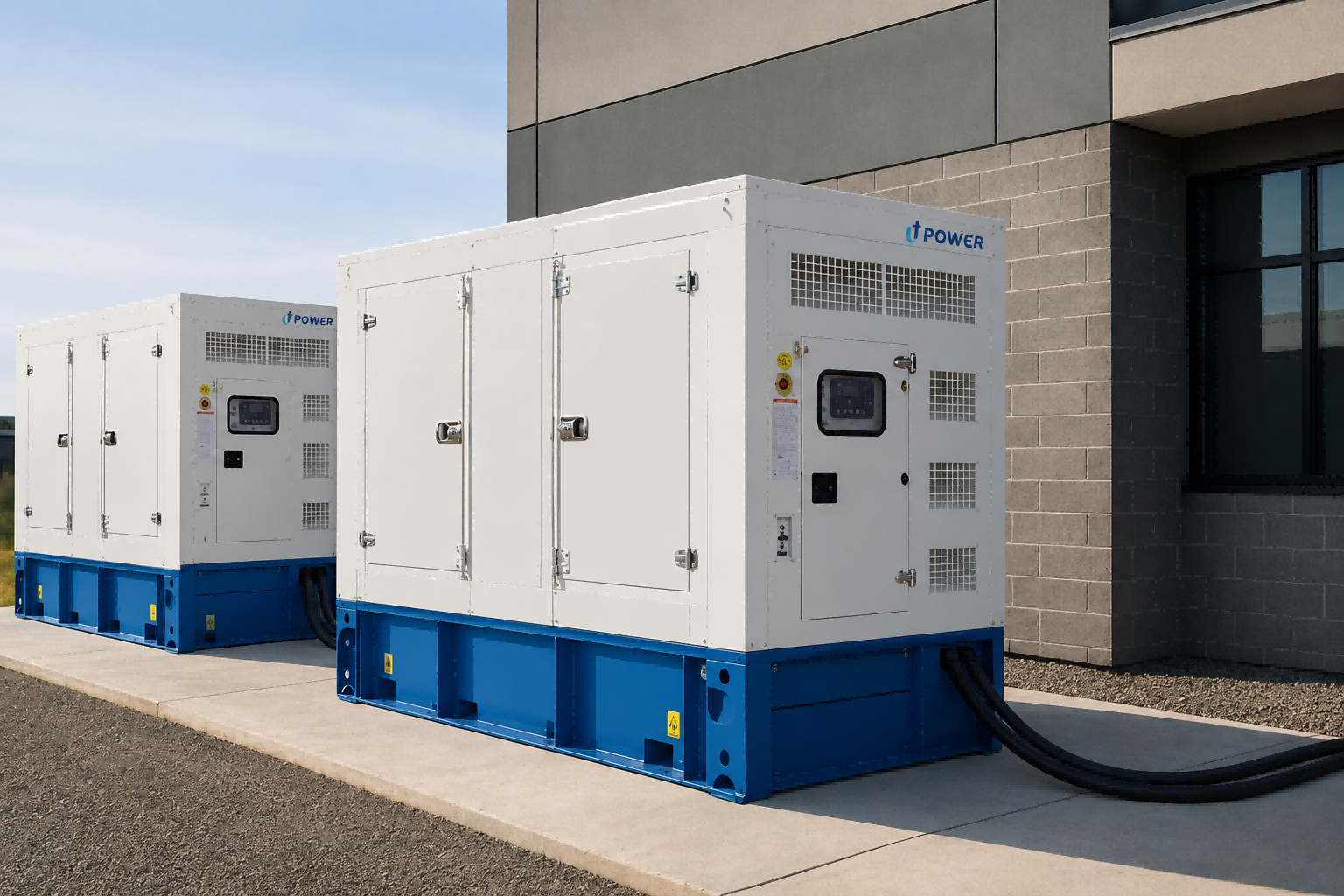
By letting multiple generators work together, a generator paralleling system can help your facility improve power reliability, flexibility, and efficiency. Are you considering a generator paralleling system? Contact UsuperPower — as an experienced genset manufacturer, we offer you one-stop power solutions.
FAQ
What’s the difference between generator paralleling and load sharing?
Generator paralleling means multiple generators are combined and generate power at the same time. Within a paralleling system, load sharing is a function that distributes the power demand evenly among the generators, achieving coordinated generation.
Do parallel generators need to use the same brand of engine and alternator?
Not necessarily. Gensets running in parallel don’t have to use the same brand of engine or alternator, but all units must meet the electrical requirements for parallel operation, and the control system must be able to coordinate the operation of the different units. You can also ask a professional to check the compatibility between the gensets.
Can two generators with different power ratings run in parallel?
Yes. If the control equipment is compatible with both generators, they can run in parallel. But you need to consider their rated power and operating characteristics to ensure safety and coordination.
What happens if the facility’s power demand is lower than the generators’ capacity?
When the facility’s actual power demand is lower than the generators’ rated output, the generators end up running under light load. Light load can lead to poor fuel efficiency and a series of problems such as wet stacking. But a paralleling system can handle load changes — when the load drops, it gradually shuts down some generators to match the load.
How does a generator paralleling system handle sudden load changes?
A generator paralleling system usually coordinates its response to sudden load changes through equipment such as paralleling controllers, load-sharing controllers, and governors. When the load suddenly increases, the running gensets adjust their output to cope with the change in load demand. If the available capacity of the existing gensets isn’t enough, the control system can start standby gensets and connect them to the system once synchronization conditions are met.