Engine oil lubricates the parts inside your generator and helps keep it cool. Changing the oil regularly makes your generator more durable and efficient, while missing or degraded oil can cause damage. Next, UsuperPower will walk you through what the oil does, how to spot the signs it needs changing, and how to change it.
Understanding the Role of Oil in a Diesel Generator
Lubrication: the oil’s main job is lubrication — it lubricates the engine’s parts, reduces friction between them, prevents wear, and helps everything run smoothly.
Cooling: running for long periods generates heat, and the oil carries that heat away.
Cleaning: engine oil suspends and carries away combustion byproducts and wear particles, while the oil filter removes contaminants from the oil as it circulates.
Rust Prevention: when the generator sits idle for a long time, the oil helps prevent parts from rusting. It also helps keep water, air, and corrosive substances out of the generator’s internals.
Why Do You Need to Change the Oil?
How Oil Changes Inside the Generator
While the generator runs, the oil gets contaminated by moisture, soot, fuel, and metal particles. High temperatures also speed up oxidation, and the oil’s viscosity is affected by both contaminants and temperature, which in turn affects how the engine runs.
What Happens If You Don’t Change the Oil
If you don’t change the oil for a long time, its viscosity rises, its lubricating ability drops, friction between parts increases, engine wear gets worse, and oil consumption rises — all of which severely degrades engine performance.
When You Need to Change the Oil
Use the following factors to judge when it’s time for an oil change.
Generator Usage Frequency: if you use the generator as standby power, you’ll need to change the oil less often than if it runs regularly.
Weather Conditions: temperature swings affect oil viscosity, so the bigger the temperature swings, the more often you’ll need to change the oil.
Surrounding Environment: if the generator’s surroundings have a lot of dust or debris, that will affect how often you need to change the oil. Dusty, sooty, and high-temperature environments each call for a different oil-change schedule.
Manufacturer’s Recommendations: the manufacturer provides oil-change instructions specific to your model, so follow their recommendations closely.
How to Tell Whether the Oil Needs Changing
Check the Oil Level
Check the engine’s oil level: pull out the dipstick, wipe it clean, reinsert it, then pull it out again and read the level against the markings on the dipstick.
Check the Oil’s Appearance
Check whether the oil’s color looks normal — fresh oil is usually clear.
Check for Metal Particles in the Oil
While the generator runs, metal particles can get into the oil, and the oil carries them away. If this continues over time, it will weaken the oil’s lubricating effect and eventually damage the engine.
Steps to Change the Oil
The steps below apply to most small and mid-sized generators. That said, always follow the specific instructions in your manufacturer’s manual.
Before You Change the Oil: Choose the Right Oil
Refer to the oil type recommended by the manufacturer, which you can usually find in the product manual. Using the wrong oil can damage the generator and shorten its lifespan. When choosing oil, viscosity is an important factor to consider — the right viscosity depends on the temperature range the generator operates in.The lower the temperature, the lower the oil’s viscosity should be.
Step 1: Shut Down the Generator
Shut down the generator, and once it’s completely at rest, clean it to remove dirt and debris that could otherwise get inside the unit.
Step 2: Let the Engine Cool to the Right Temperature
A warm engine is ideal — that’s the best state for draining the oil — but be careful, as there’s still a risk of burns.
Step 3: Drain the Old Oil
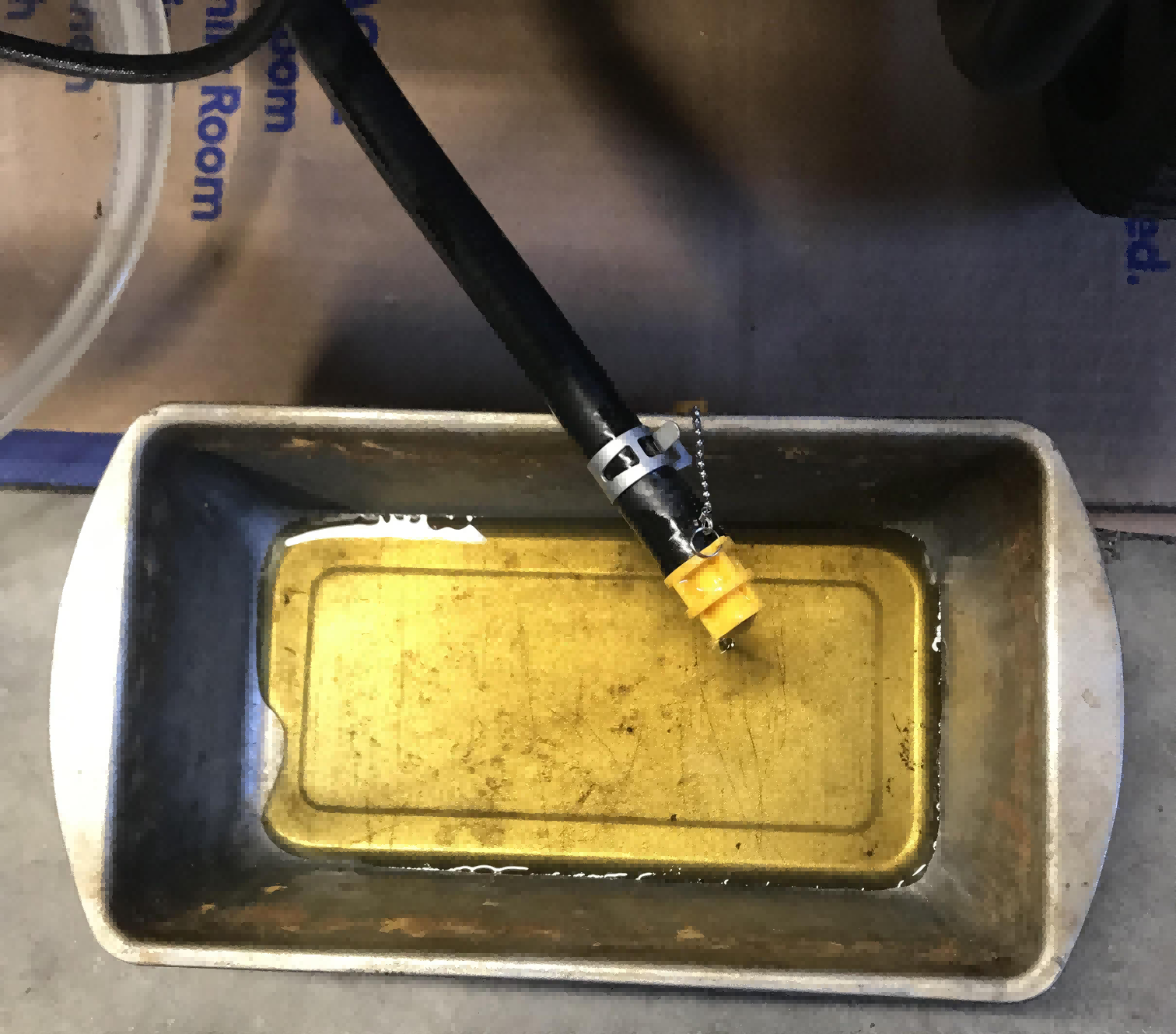
First, find a container roughly the size of your generator’s oil capacity. Remove the drain plug and catch the oil in the container to keep it from spilling around the generator.
Step 4: Replace the Oil Filter
You can find the oil filter’s location in the manufacturer’s product manual. Use the appropriate tool to remove the old filter — the oil filter needs to be replaced, since it will clog up over time.
Step 5: Add New Oil
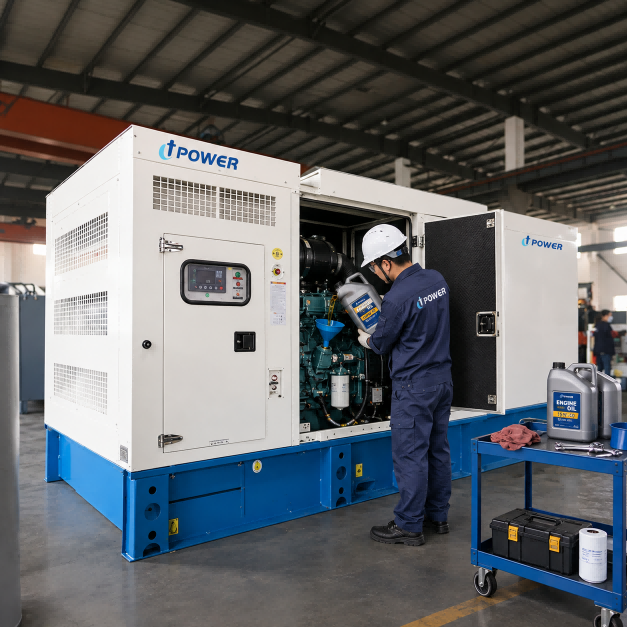
Once the oil filter is replaced, add fresh oil that’s suited to your generator model.
Step 6: Check the Oil Level
Use the dipstick to check the oil level and make sure it reaches the mark specified by the manufacturer.
Step 7: Start the Generator
After checking the oil level, start the generator. Once it’s running smoothly and has warmed up, check for anything unusual.
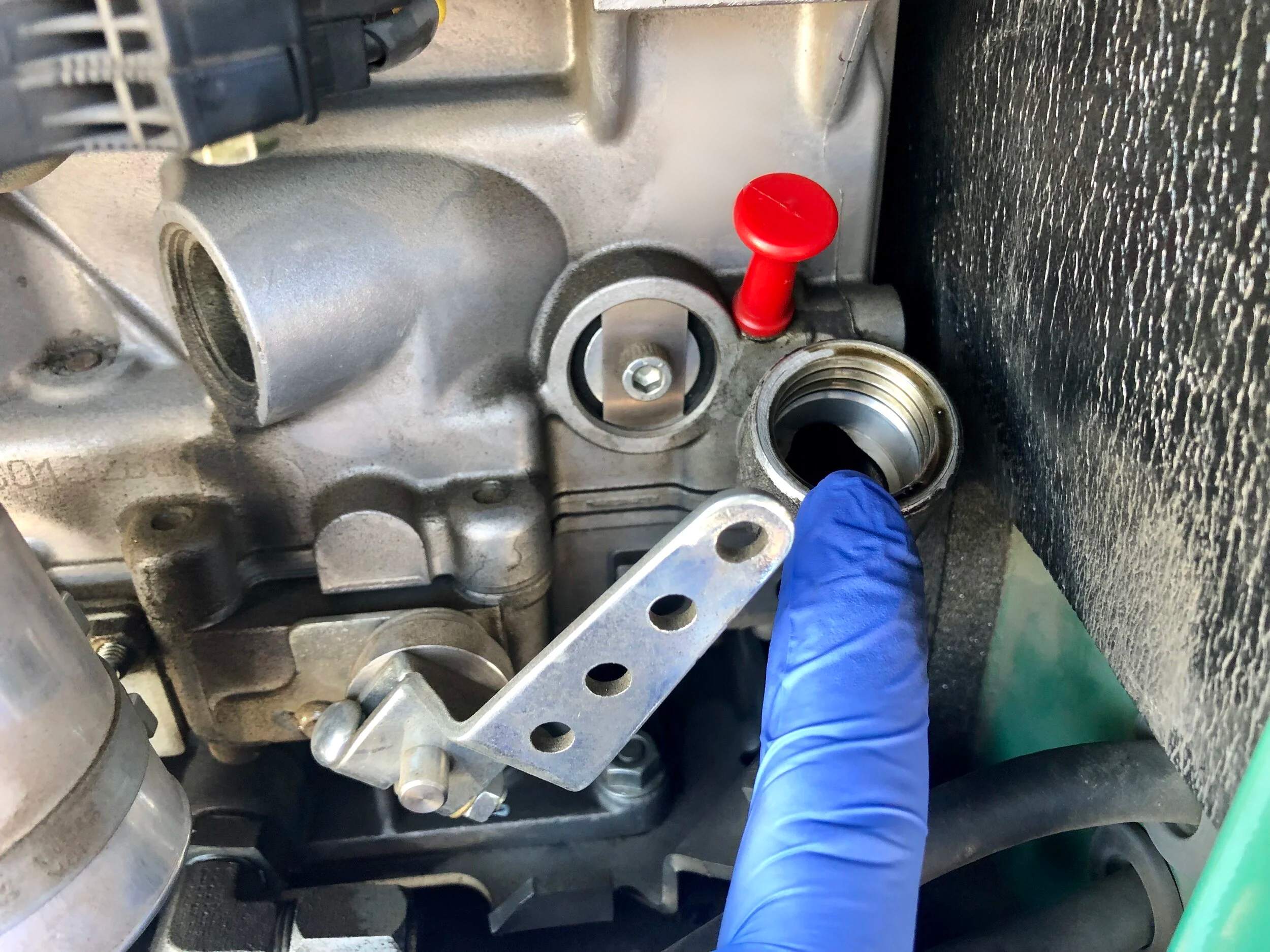
Final Thoughts
Changing the oil isn’t just about draining the old oil and pouring in new oil. You need to first figure out when the oil needs changing and choose the right oil for your generator, then drain the old oil and replace the oil filter, add the new oil, and finally start the generator and check for anything unusual. If you have any questions about changing your oil, feel free to contact UsuperPower — we offer one-stop power solutions for you.
FAQ
Why does diesel generator oil turn black so quickly?
Oil turning black doesn’t necessarily mean it has gone bad. Diesel combustion produces soot and other byproducts that get into the oil and turn it dark. To find out whether the oil has actually degraded, you need to look further at things like its viscosity, level, and lubricating ability.
What does low oil pressure in a generator mean?
It means there’s a fault in the generator’s lubrication system and it can’t maintain normal oil pressure. Low oil pressure can be caused by a low oil level, oil that’s too viscous, a clogged oil filter, or a faulty oil pump, among other things.
Does the generator’s load affect how often you need to change the oil?
Yes, it does. The generator’s load affects the engine’s operating temperature, combustion, and the workload placed on the oil. Running under heavy load for a long time can put the oil under greater thermal stress, while running under light load for a long time can lead to incomplete combustion and soot buildup. So your oil-change interval should be based on run hours, load conditions, environmental conditions, and the engine manufacturer’s maintenance requirements.
Does a high-temperature environment affect the generator’s oil life?
Yes, it does. In high-temperature conditions, oil oxidation speeds up. So in hot conditions, pay extra attention to the cooling system and the oil’s condition, and change the oil based on the actual situation.
Can you mix oil from different brands?
We don’t recommend mixing brands — oils from different brands may not be compatible, and running the generator under those conditions could cause damage. We recommend choosing the right oil according to the manufacturer’s requirements.