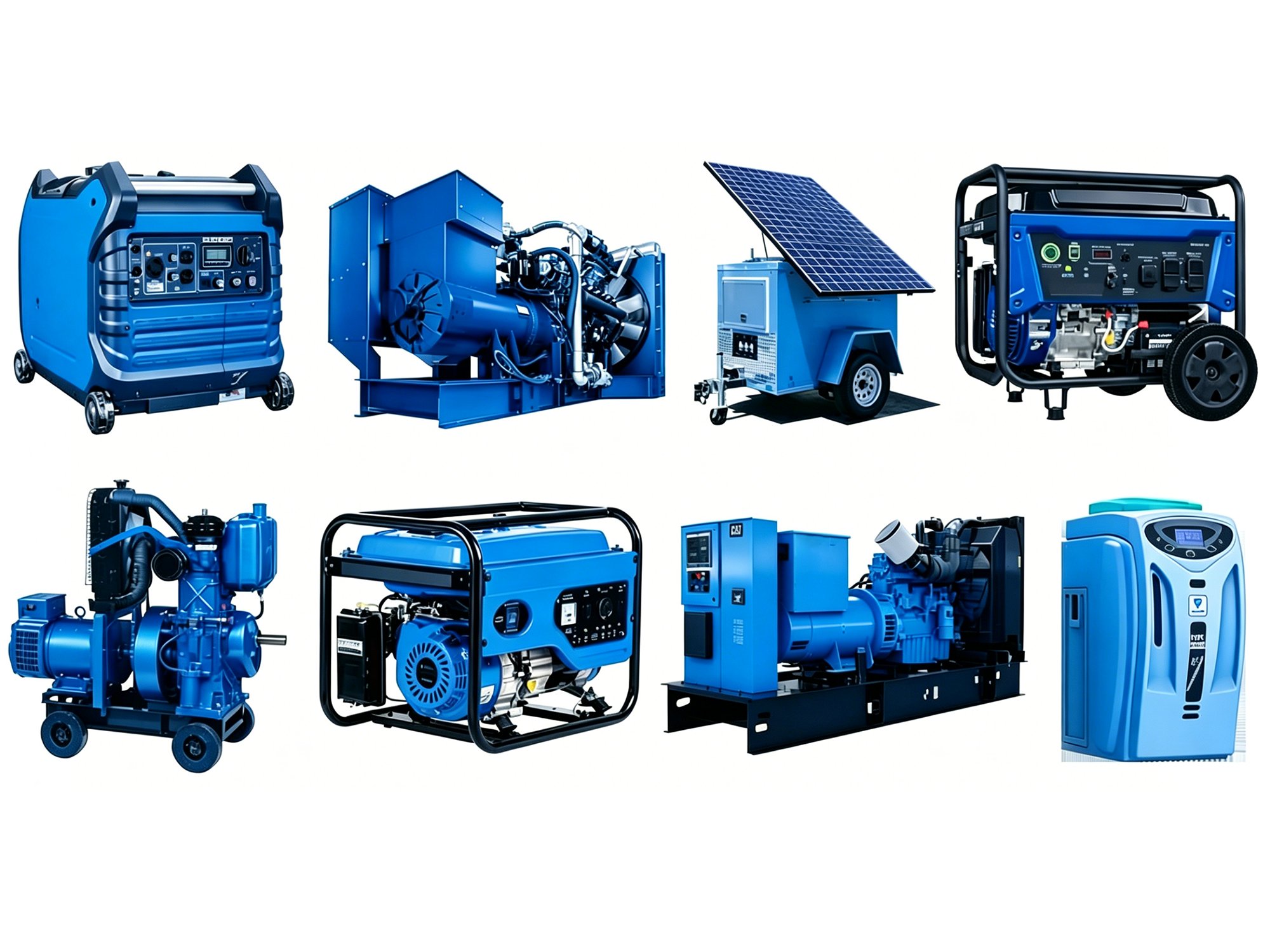
You may have seen generators rated in kW or kVA — they’re not actually the same thing, and each has its own meaning. If you’re unsure about this, read on. UsuperPower will walk you through the difference between them, how to calculate each one, and some examples.
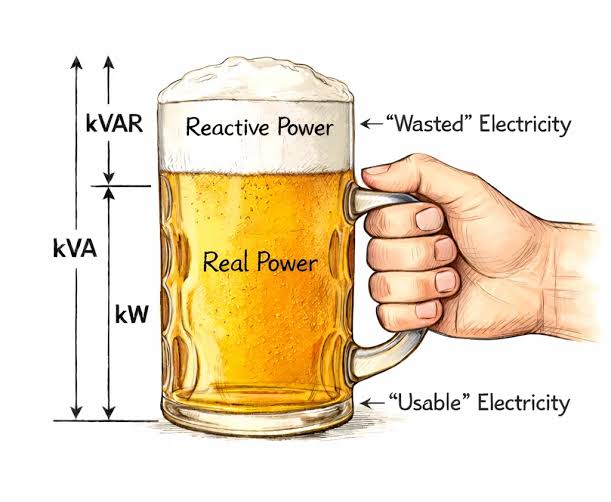
The Difference Between kW and kVA
Type of Power
kW and kVA are both units used to describe a generator’s output capacity, but they measure two different physical quantities. kVA represents the total apparent power in an AC system, reflecting the combined electrical load formed by both active power and reactive power; kW is active power — the power that equipment actually converts into useful work.
Applicantion
kW refers to the power that equipment actually needs — for example, running motors, heating elements, control systems, and compressors. kVA is apparent power, the total power carried by the generator’s windings, which also includes a reactive component.
To help you see the difference between kW and kVA more clearly, we’ve put together a table for you:
| Parameter | kW | kVA |
| Full Name | Kilowatt | Kilovolt-ampere |
| Power Type | Active power | Apparent power |
| Meaning | Real, usable power | Total apparent power |
| Related Factor | Power factor | Power factor |
| Related to the Generator | Actual load demand | Generator capacity |
Converting Between kW and kVA
What Is Power Factor
Before you get into converting between the two, you need to know what power factor (PF) is. Power factor is defined as PF = kW ÷ kVA, and it’s used to measure how efficiently electrical power is being used. Many gensets are rated at a power factor of 0.8, especially in three-phase industrial applications. That said, this doesn’t mean every load necessarily has a power factor of 0.8.
Converting Between kW and kVA
The core formula is: kVA × PF = kW, so kVA = kW ÷ PF.
For example, if a genset is rated at 100kVA with a PF of 0.8, then it delivers 80kW. If a genset is rated at 100kW with a PF of 0.8, then it needs 125kVA.
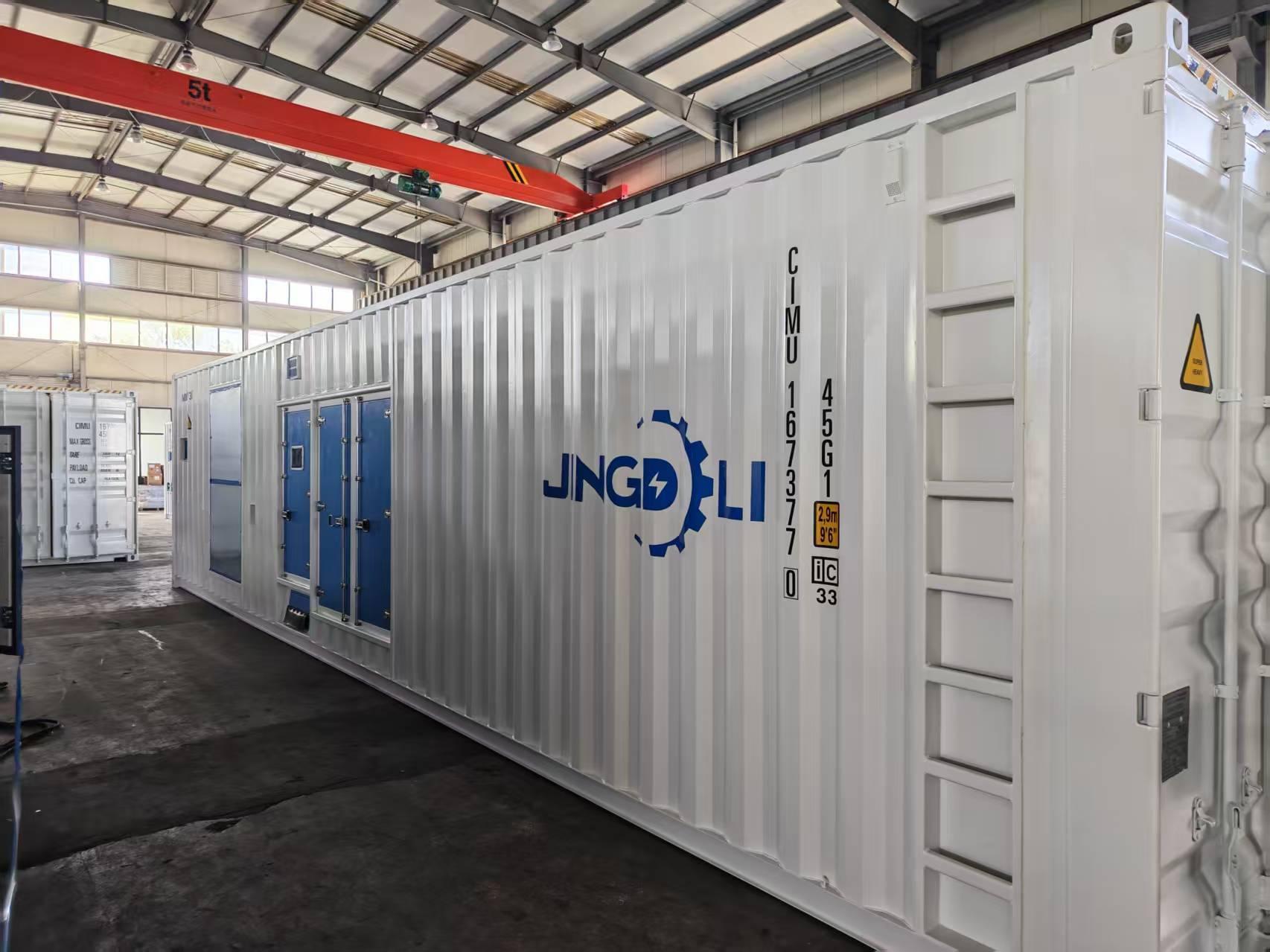
kVA-to-kW conversion at different power factors:
| Generator Rating | PF=1 | PF=0.9 | PF=0.8 |
| 100kVA | 100kW | 90kW | 80kW |
| 250kVA | 250kW | 225kW | 200kW |
| 500kVA | 500kW | 450kW | 400kW |
| 750kVA | 750kW | 675kW | 600kW |
| 1000kVA | 1000kW | 900kW | 800kW |
| 1500kVA | 1500kW | 1350kW | 1200kW |
So for the same load, the lower the PF, the more kVA you need.
Choosing the Right Generator for You
Step 1: Calculate kW
List the load of every piece of equipment you’ll power, classify each as inductive or resistive, and add a 15-25% capacity margin.
Step 2: Determine the Power Factor
Industrial equipment generally defaults to a power factor of 0.8, but different types of equipment have different values: resistive loads typically run 0.95-1 (lighting, heaters), inductive loads typically run 0.5-0.85 (compressors, motors), and mixed loads typically run 0.8-0.85.
Step 3: Convert kW to kVA
Use the formula kVA = kW ÷ PF. For example, if your total load is 80kW (remember to add a 15-20% safety margin) and PF is 0.8, then you’ll need a 100kVA generator.
By following these steps, you can find the right generator capacity for your project and keep it running smoothly.
Common Mistakes When Comparing kW and kVA
Sizing a Generator by kW Alone
If you size a generator using only kW, you may run into situations where the capacity doesn’t meet your needs or you run into startup problems. You need to factor in kVA capacity as well when sizing your generator.
Ignoring Starting Requirements
Some equipment draws a higher load at startup than during normal operation. Large motors, pumps, compressors, and other inductive loads produce high inrush currents. If you size your generator based only on the running load, these loads can cause voltage dips when they start up. So you need to account for both the running load and the starting load.
Choosing a Generator Based on Standby Power Alone
A genset’s power rating varies depending on its intended use — for example, standby power and prime power, and a generator’s standby rating shouldn’t automatically be used for prime power applications. Before choosing a generator, you should determine how often it will run, expected run hours, whether utility power is available, and the required power rating.Choosing the correct power rating helps ensure the generator runs reliably under the conditions you expect.
Final Thoughts
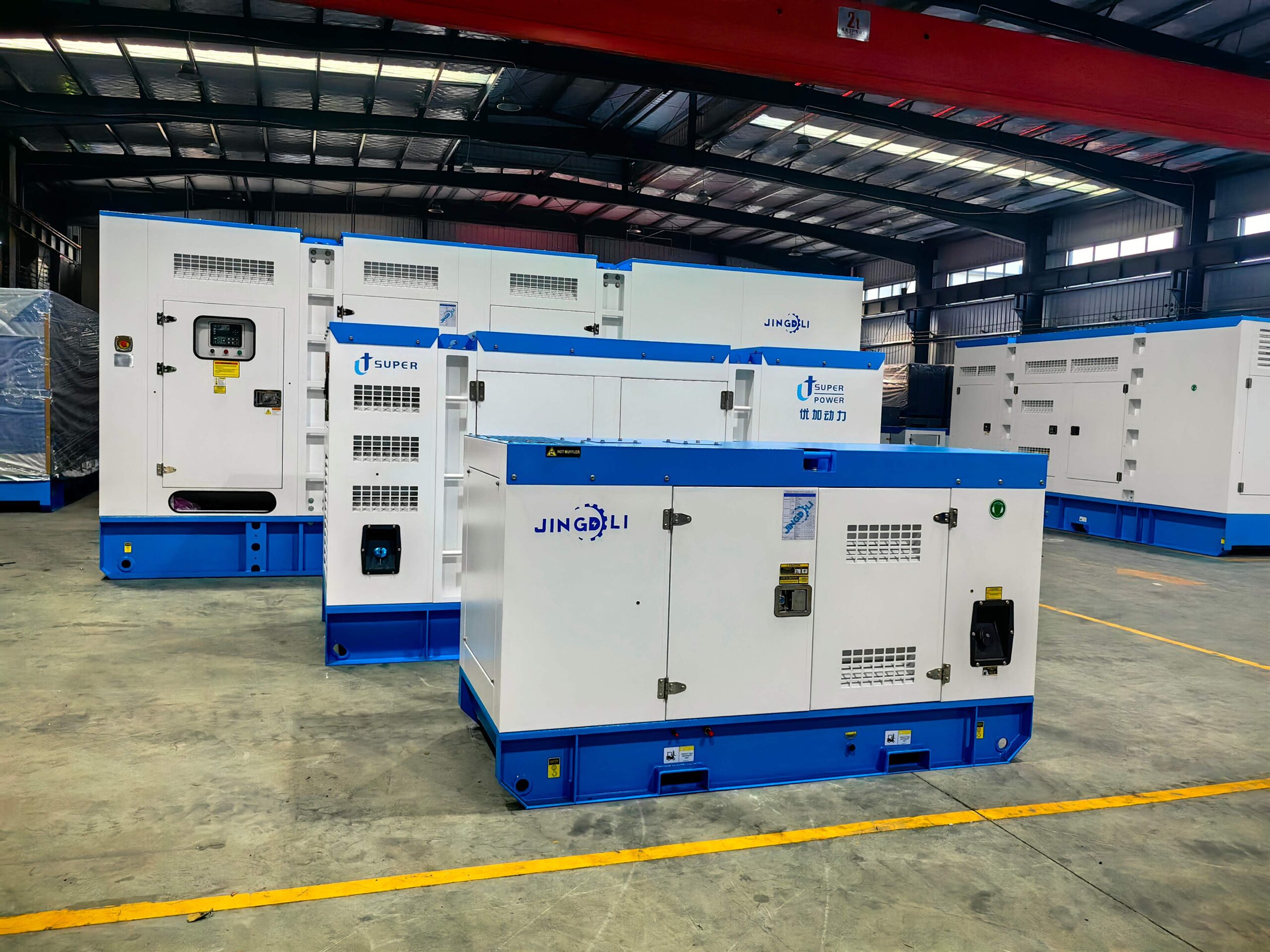
Both kW and kVA matter equally when sizing a generator: kW is the power your load actually needs to run, while kVA represents the generator’s apparent power, and how much kVA you need depends on your load’s power factor. Generator sizing also needs to take into account load type, starting loads, and rated load capacity, among other factors. If you have any questions about generator sizing, UsuperPower is here to help — we offer not just high-quality diesel generators, but also one-stop power solutions.
FAQ
Why isn’t the power factor usually 1?
If the power factor were 1, all of the apparent power would be converted into active power. In reality, loads have both active power and reactive power, so their power factor is usually not 1.
What’s the relationship between kWh and kW?
kW represents how much power is needed at a given moment, while kWh represents the amount of energy used over a period of time. The relationship can be expressed as: kWh = kW × running time (hours).
Should I choose a generator based on kW or kVA?
You need to consider both. Once you calculate the total load of all your equipment, it’s in kW, but most generators are rated in kVA, so you then factor in the PF to work out the kVA you need.
Is 1 kVA equal to 1 kW?
Not necessarily. They’re equal only when the power factor is 1, but not every load has a power factor of 1.
Why do many generator manufacturers rate their units in kVA?
kVA represents the generator’s electrical capacity, while kW represents the actual power the connected load needs. Both should be taken into account when choosing a generator.
Is a higher kVA rating always better?
Not necessarily. If your load requirements aren’t high, extra kVA just adds cost without giving you any power advantage. Running a generator under light load for long periods also increases the risk of wet stacking, which can degrade its performance.