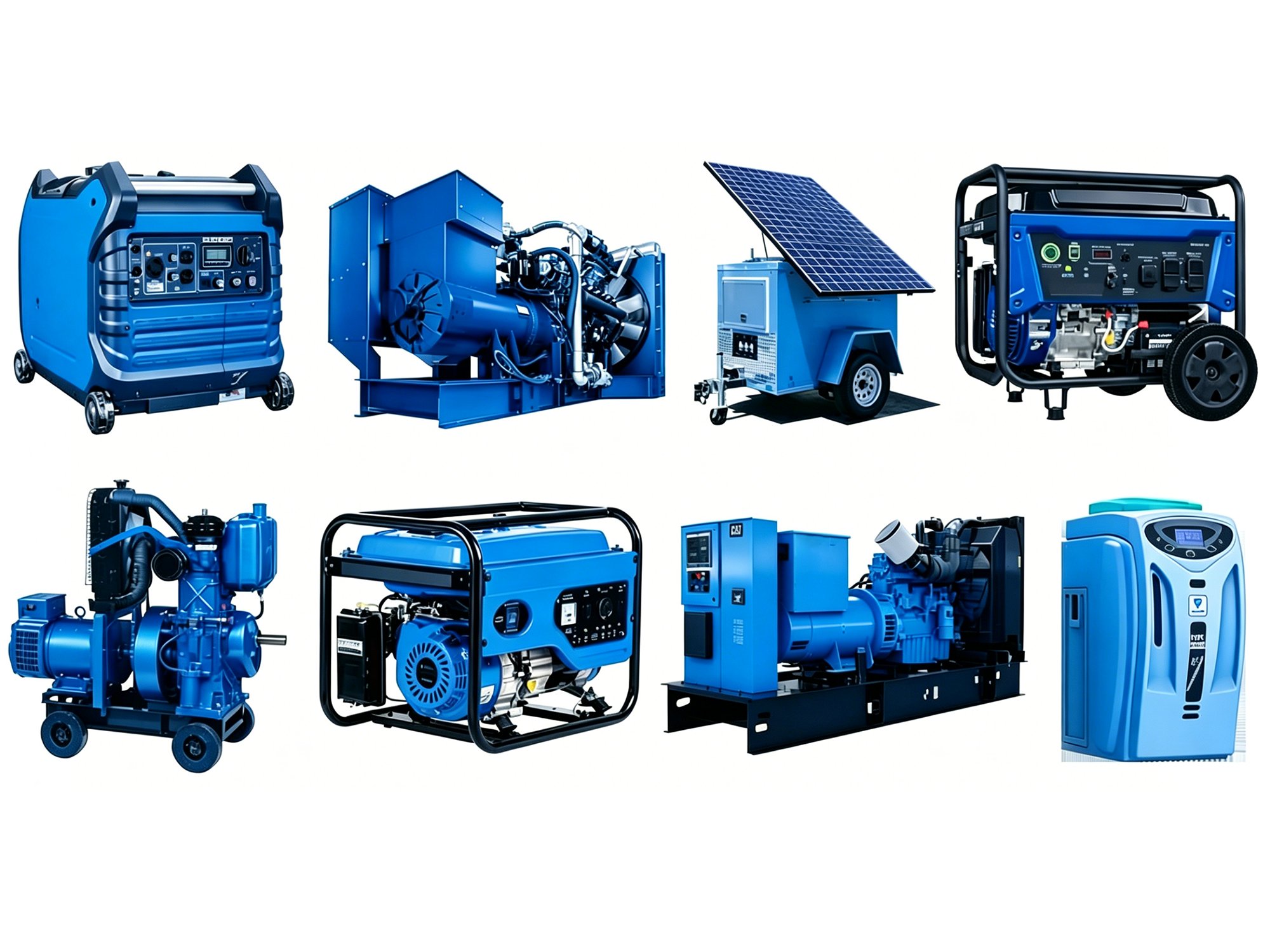
A power surge in a diesel generator refers to a brief event where the generator’s output voltage exceeds normal operating levels. This can be caused by sudden load changes, load shedding, switching operations, and so on. Next, UsuperPower will walk you through what causes generator power surges and how they affect your generator.
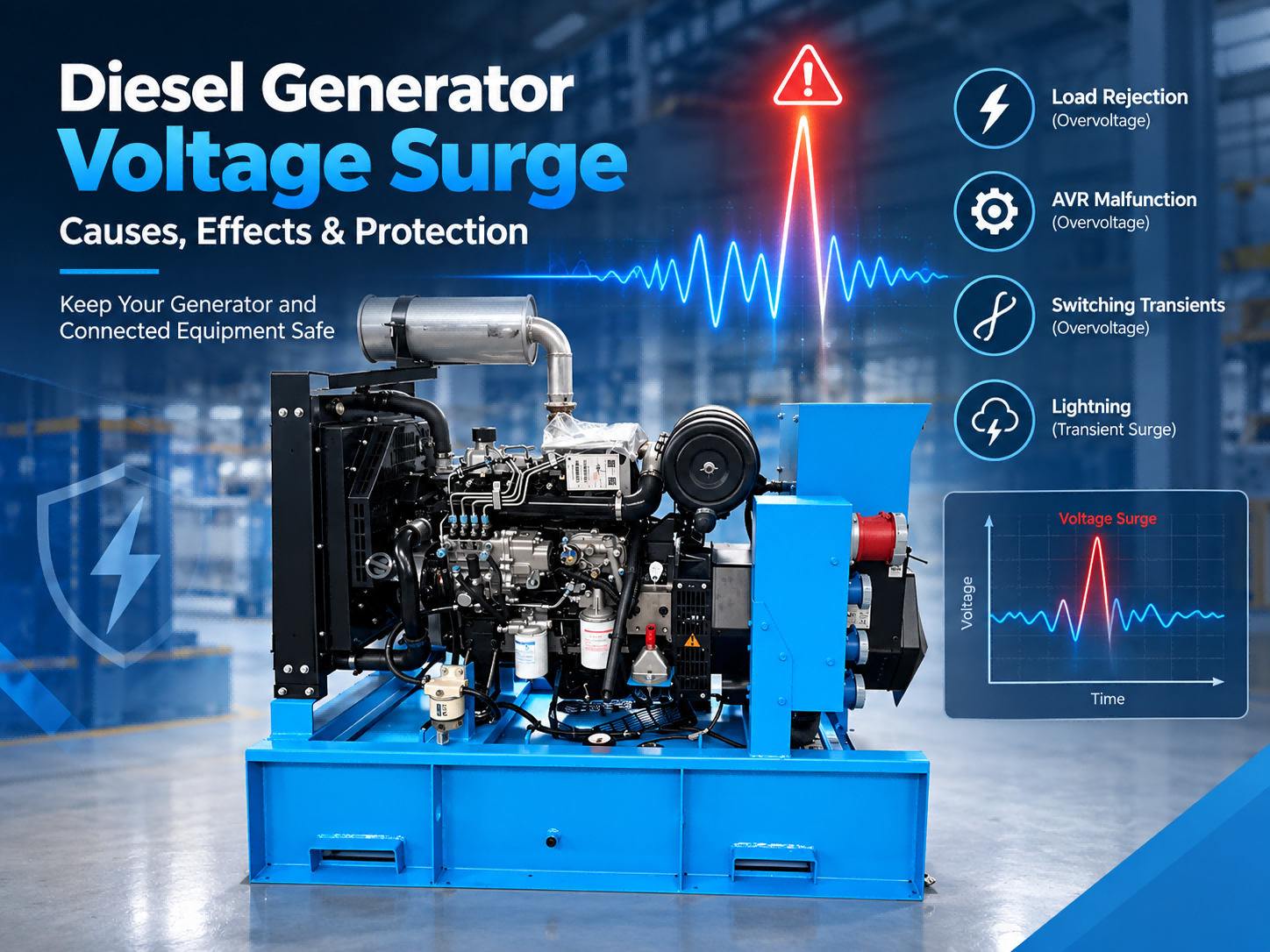
What Causes a Power Surge
There are many possible causes of a power surge — damage, wear, and aging in any of a generator’s components can all trigger one. Let’s go through the main causes of generator power surges.
Equipment Aging
As a generator gets older, its components gradually wear down, increasing the risk of a power surge. If your generator has already experienced a power surge and it’s also nearing the end of its service life, it’s probably more cost-effective for you to replace it with a new unit.
Fuel Issues
Fuel quality and fuel supply both affect whether your generator is prone to power surges, so be sure to follow the manufacturer’s recommendations and use the fuel type they recommend. Fuel blockages can also cause power surges — if you find a fuel blockage during troubleshooting, check the fuel filter and fuel lines, then replace the filter and clean out the lines. A faulty fuel pump can cause power surges as well.
Poor Maintenance
Generator maintenance is extremely important — you need to carry out regular maintenance to keep the generator running at its best. Without proper care, wear between generator components accelerates, leading to a range of problems and making the generator more prone to power surges.
AVR Failure
The AVR is a device installed on the alternator that regulates voltage to a preset level. It helps stabilize the generator’s output voltage, protecting the equipment connected to it. If the AVR fails, it can cause a power surge, since voltage is no longer being properly controlled.
Unbalanced Loads
A sudden increase or decrease in load can cause a power surge in your generator. It’s important to make sure all three-phase loads are evenly distributed, and to avoid both sustained overload and brief peak loads caused by equipment startup.
What Happens When a Generator Experiences a Power Surge
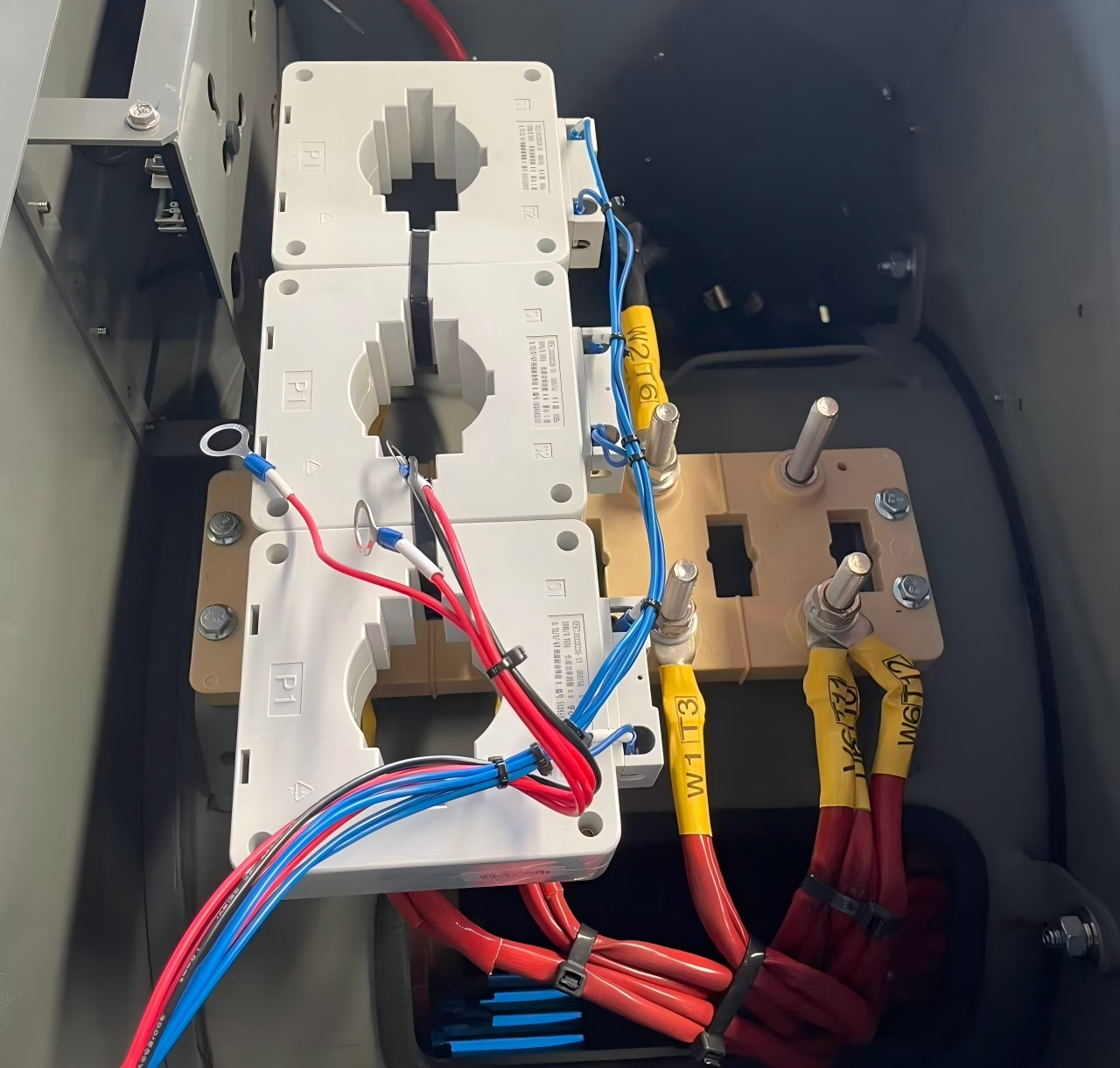
Alternator Damage
The alternator is one of the main components exposed to abnormal voltage conditions. Severe or repeated power surges can put excessive electrical stress on the generator windings and excitation system.
AVR Damage
The automatic voltage regulator (AVR) plays a key role in keeping the generator’s output voltage stable. Because it contains sensitive sensing and control electronics, it’s particularly vulnerable to severe transient overvoltage. If the AVR is damaged or its sensing circuit becomes unreliable, your generator may experience abnormal voltage regulation, unstable output, or a protective shutdown.
Generator Controller Damage
Modern diesel generator sets rely on electronic controllers to monitor operation and manage protection functions. These controllers may include control boards, I/O modules, sensors, and communication interfaces. Damage to the controller can result in inaccurate readings, communication failures, false alarms, or partial loss of monitoring and control functions.
Damage to Connected Equipment
A generator power surge will eventually affect the equipment connected to it. Sensitive electrical equipment, in particular, is especially vulnerable to transient overvoltage. A surge can cause immediate component damage, unexpected shutdowns, communication errors, or gradual damage to sensitive electronics.
Protecting against generator power surges isn’t just about protecting the generator itself — it’s about protecting the generator and the equipment connected to it, safeguarding the entire electrical chain.
How to Protect Your Diesel Generator from Power Surges
Choose the Right AVR
The automatic voltage regulator (AVR) continuously monitors and regulates the generator’s output voltage by controlling the excitation system. A properly selected and configured AVR helps keep the voltage stable as your generator handles normal load changes.
Manage Your Loads Properly
As much as possible, avoid starting large loads all at once — instead, bring them online gradually in a controlled way. We recommend a few strategies for you:
Sequential load connection: rather than connecting all loads at once, bring your main loads online in a planned sequence.
Staggered generator startup: start generators at different times to reduce overall load demand.
Avoid unnecessary simultaneous wiring: unless your generator and power system are designed to handle it, avoid starting multiple high-load devices at the same time.
Choose the Right Generator Size
Choose the appropriately sized generator, and avoid buying one with too low an output that ends up running overloaded on a regular basis, which can lead to power surges. For the safety of your power supply and to plan ahead, build in some reserve capacity so your generator runs under a suitable load and can also meet your future expansion needs.
Make Sure Grounding and Bonding Are Done Correctly
Grounding and bonding are essential parts of a generator’s electrical protection system. Start by establishing a proper grounding connection for the generator system, and make sure your equipment is grounded too — confirm that any exposed conductive equipment is properly grounded, check the bonding, and maintain proper electrical bonding between the relevant conductive components.
How to Identify a Generator Power Surge
Here’s a table for you, analyzed from a voltage perspective, that you can use for reference:
| Symptom | Possible Cause |
| Voltage rises after the load is disconnected | Load shedding or AVR failure |
| Voltage keeps rising continuously | AVR failure or a sensing problem |
| Voltage fluctuates with engine speed | An issue with the governor, fuel, or the engine itself |
| A surge occurs during a power transfer switch operation | Switching transient |
| A surge occurs during a lightning event | An external transient or lightning event |
Final Thoughts
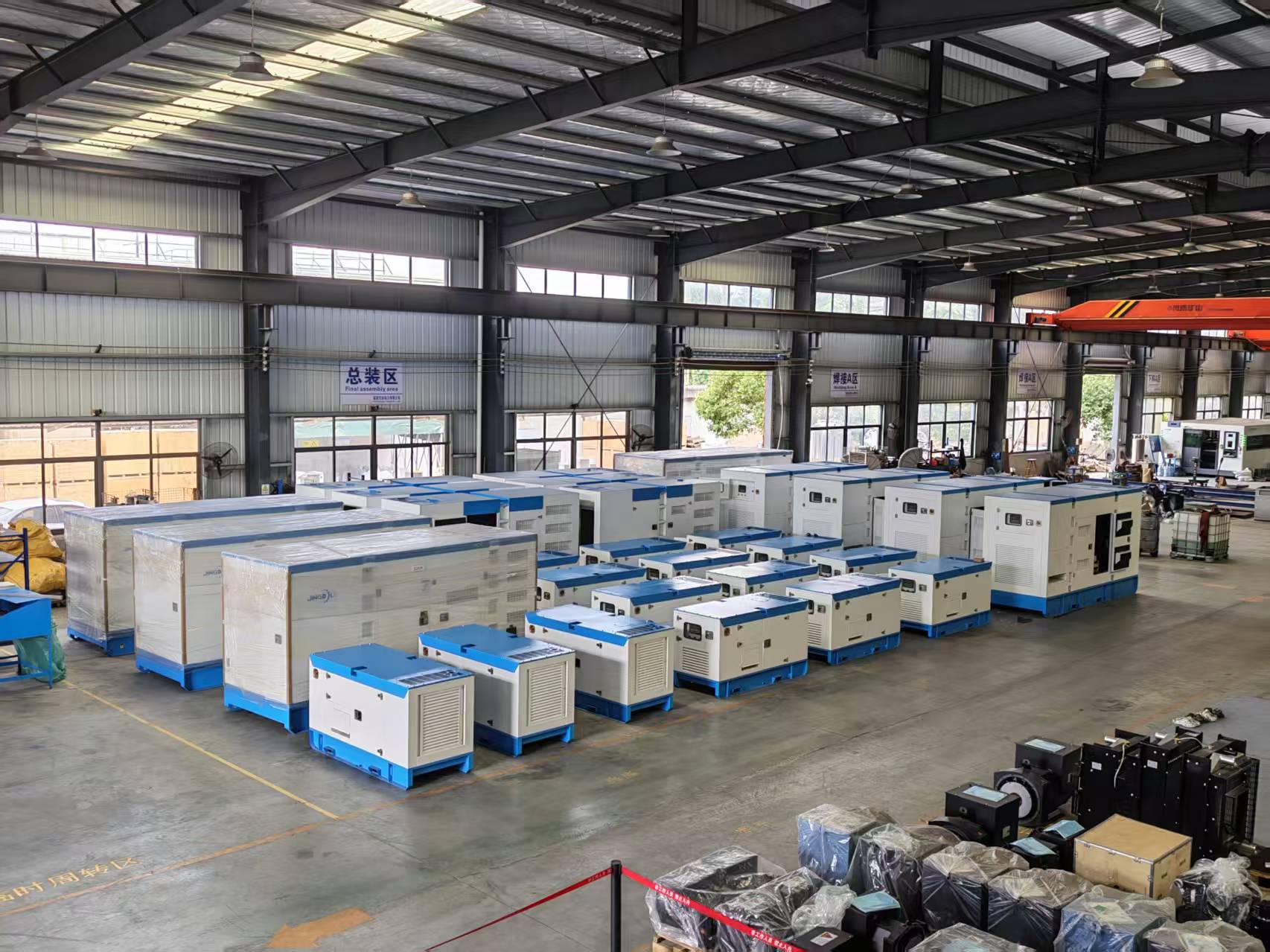
A power surge can damage both the generator and the equipment connected to it, so please take it seriously — maintain your generator regularly, monitor its various parameters, and address any surge promptly as soon as you notice one. If you’re looking for a high-quality generator, contact us — UsuperPower provides one-stop power solutions, and we also offer a one-year warranty so you can use it with confidence.
FAQ
Can an ATS cause voltage fluctuations?
A properly functioning ATS does not itself cause voltage fluctuations, but during the moment of switching between utility power and the generator, there’s a brief interruption in power supply, during which you may see a voltage dip or transient fluctuation. Using a high-quality ATS with synchronization detection can minimize this effect.
How can you reduce voltage fluctuations when starting large motors?
Here are a few methods we’d recommend:
Use a soft starter or variable frequency drive to reduce starting current.
Build in a bit more generator capacity margin.
Start multiple motors in batches to avoid hitting the load all at once.
Use a generator set with a fast voltage regulation response.
What is a diesel generator’s load capacity?
This refers to how a generator performs under different load conditions, generally divided into prime power and standby power:
Prime power: the maximum load the generator can run stably over an extended period.
Standby power: the maximum load for short-term emergency use.
As a general guideline, it’s best to keep your actual load at 70-80% of rated power — running at low load for extended periods can easily lead to carbon buildup.
Does a diesel generator need an SPD?
Yes, it’s recommended. An SPD protects your generator’s AVR, control modules, and other electronics from damage caused by lightning strikes or grid surges, and is especially important in areas prone to lightning or with an unstable power grid. That said, an SPD cannot replace an AVR.
What is a generator’s transient response?
This refers to the time and process it takes for a generator’s output voltage and frequency to return to their rated values after a sudden load change. Common metrics are the percentage of voltage dip and the recovery time (typically recovering to within ±5% of rated value within a few seconds). The faster the transient response, the better the AVR’s regulation performance — and the better it protects sensitive equipment.