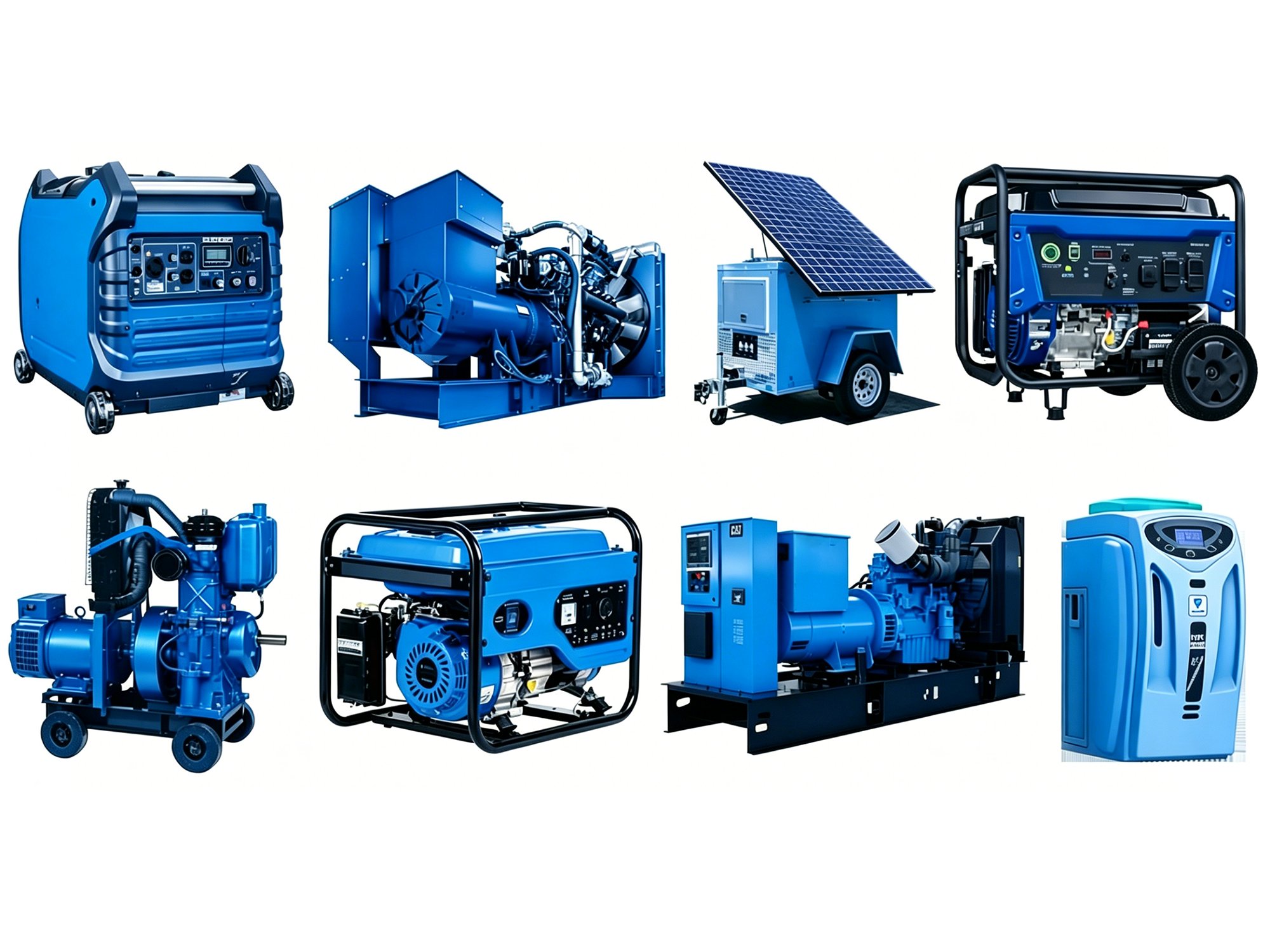
Generally speaking, a generator should not be directly exposed to rain, standing water, or flooding. However, if configured properly, diesel generators equipped with the right protective measures can be installed and operated outdoors. Next, UsuperPower will walk you through how water gets into generators and how you can protect against it.
Can Water Get Into a Generator?
A generator is not completely waterproof. If installation, sealing, or protective measures are inadequate, rain, standing water, condensation, or floodwater can all find their way inside the unit. Water ingress into a generator falls into several categories: a small amount of moist air getting in, direct contact with rain, flooding, standing water, and so on. So-called “weather resistance” in a generator set does not mean it is fully waterproof.
How Water Damages a Generator
Water can cause serious damage to a generator, especially once it gets into the fuel system and electrical system. Even if the generator can still run after getting damp, moisture will still corrode components, degrade insulation performance, put operators at risk of electric shock, and damage the generator. Let’s go through this component by component so you can see exactly how water harms a generator.
Electrical components: Water lowers the resistance of insulating materials, leading to short circuits and corrosion, and can cause permanent damage to electrical components.
Alternator: If your alternator gets damp, it can lead to current leakage, corroded materials, and unstable output power.
AVR: Water can cause the AVR to malfunction, leading to unstable output voltage — and in severe cases, complete loss of voltage regulation.
Control panel: Water entering the control panel can damage the circuit board, sensors, and relays. The control panel may look fine on the outside while water is quietly corroding its internals.
Engine: Once water enters the engine through the air intake, it can cause serious damage, including hydrolock, bent connecting rods, and damage to internal engine components. Water contamination can also interfere with the normal function of engine oil and the lubrication system.
Fuel system: When water mixes with diesel, it promotes corrosion and microbial growth, degrading fuel quality. Water can also clog fuel filters and damage fuel injection components, causing hard starting, unstable running, reduced power, and even engine stalling.
Waterproofing Capability of Different Generator Types
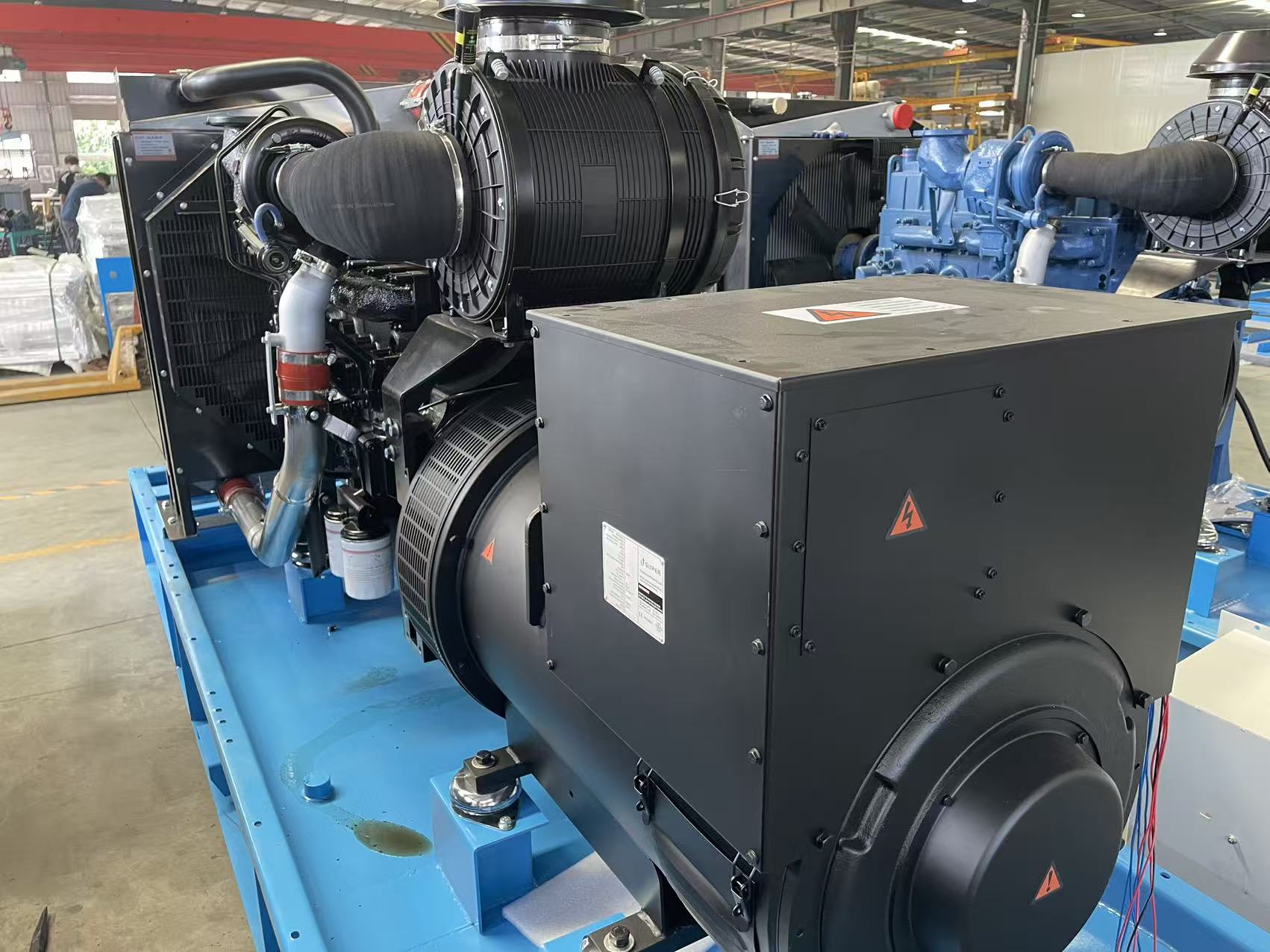
Open-frame generators: Open-frame generator sets generally offer only limited protection against direct exposure to rain. You should install them under a suitable shelter or in a properly designed generator room.
Silent (enclosed) generators: Silent generators come with an enclosed housing that, when properly designed and installed, offers better rain protection than open-frame units. The actual level of protection depends on the housing structure, sealing, air intake/exhaust vents, drainage design, and the protection rating of the electrical components.
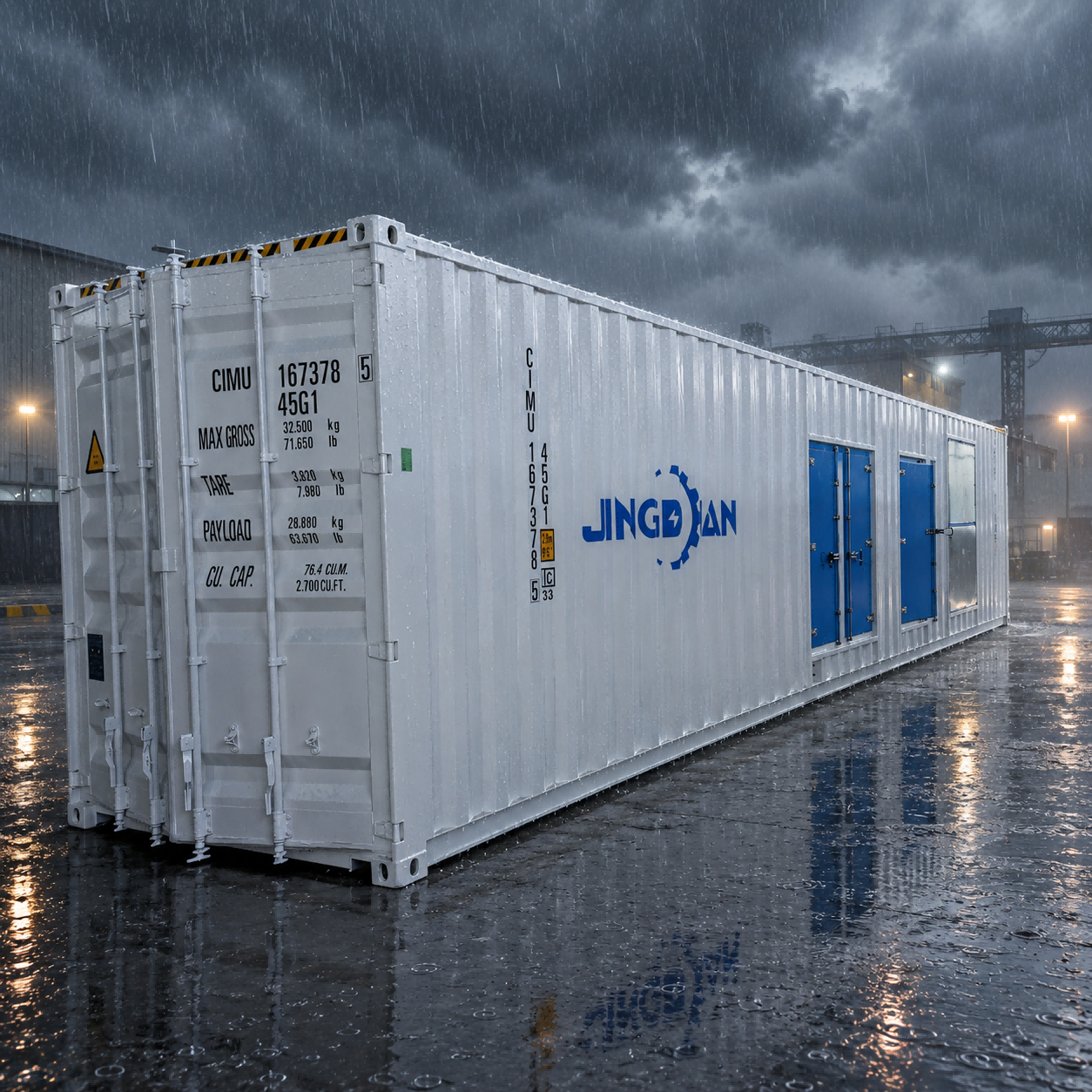
Containerized generators: Our containerized generators are carefully designed so that the housing provides a degree of waterproofing and noise reduction, just like silent units. Under normal use, rain cannot get into internal components such as the fuel system, lubrication system, and cooling system.
What Happens If Your Generator Gets Wet?
Electric shock: When water and electric current combine, anyone who touches the generator or its electrical connections faces a higher risk of electric shock, which can cause injury or death to operators.
Damage: Once water gets into a generator, it can damage the electrical system and internal components, preventing the generator from operating normally.
Ground faults: Water can form a conductive path between the generator and the ground, increasing the risk of ground faults. A ground fault can cause a power outage and make generator operation dangerous.
What You Should Do If Your Generator Gets Wet
Shut down the generator and disconnect the load
If your generator gets wet, stay calm, shut it down immediately, and stop all components from running. If there is standing water around the generator, do not approach it, as this could lead to electric shock. Move personnel to a safe location before inspecting the generator. Once you have confirmed it is safe, disconnect the load and isolate the relevant power sources.
Do not restart the generator right away
Parts that look dry on the outside may still hold moisture inside. So before you restart, be sure to inspect the unit thoroughly, dry it out properly, and test whether the components are functioning normally.
Inspect the electrical system
Once the generator has been safely isolated, check the electrical system for signs of water ingress, dampness, corrosion, or contamination. Pay particular attention to the AVR, alternator, and control panel — these parts may look unaffected on the surface, but you still need to inspect them thoroughly and carry out any necessary drying, draining, repair, or replacement.
Drying the Generator
You can choose natural air drying, controlled ventilation, dehumidification, or professional electrical drying services. Be careful not to expose sensitive electronic components to excessive heat. Do not carry out any power-on operations until you have confirmed proper insulation. It is not recommended that you dry circuit boards directly with a hair dryer.
Checking the Engine and Fuel System
Check the engine air intake, air filter, engine oil, and cylinders for signs of water contamination, and clean or replace any affected parts promptly. Check the fuel tank and fuel system for water contamination — water eventually settles in the diesel tank and gets carried into the fuel system. If you find water in the diesel, you must first remove the contaminated fuel and thoroughly clean the fuel system before restarting the generator.
Testing and Confirming Before Startup
Run the generator through a series of tests and checks, such as:
An insulation test, to check whether moisture has reduced the generator’s insulation performance; an engine check, to confirm that the air intake, filter, and lubrication system haven’t been contaminated by water; an electrical system check, to inspect wiring, terminals, connections, the control panel, voltage output, and other electrical components for damage or abnormal readings; and, if appropriate, a load test, applying a controlled electrical load to verify that the generator can maintain stable voltage and frequency under operating conditions.
Precautions for Using a Generator in Humid Environments
Use a canopy or shelter: It’s important to use a waterproof canopy or shelter to protect your generator and keep rain from getting inside it.
Grounding: Your generator’s grounding should be done correctly, and in humid environments, all grounding connections should be kept in good condition.
Final Thoughts
A diesel generator being designed for outdoor use does not mean it’s a waterproof device. For medium and large generator sets, reliable operation in rainy conditions depends on the complete installation of all the right features — including the generator enclosure, ventilation system, drainage facilities, foundation, electrical protection, and site layout. Need a diesel generator suited for outdoor or harsh environments? Contact UsuperPower, and we’ll design a tailored solution for you.
FAQ
Can a generator room leak?
Yes. A generator room is not naturally waterproof, especially one installed in a basement, on a rooftop, or outdoors. If the roof, walls, doors and windows, wall penetrations, or drainage system are poorly designed, rain can still get into the room.
Does a higher IP rating mean a generator is waterproof?
No. An IP rating does not mean the entire generator is waterproof, nor does it mean the unit can safely operate underwater. You should consider the generator’s housing, electrical protection, drainage system, and installation design together.
I’ve done all the right waterproofing, so why is there still water in my generator’s base fuel tank?
If you’ve taken proper waterproofing measures and there’s still water in the tank, it’s most likely condensation forming inside the tank. To reduce this, try to keep the fuel tank filled to the level recommended by the manufacturer, which reduces the space available for condensation to form.
Can I cover my generator with a tarp?
Yes, but a tarp cannot replace the generator’s own protective enclosure or proper installation. If your generator is installed outdoors, a tarp can help reduce direct contact with rain, but you should not wrap a running generator completely and airtight in a tarp. A running generator needs sufficient air intake, cooling, and exhaust clearance — over-sealing it can cause the engine to overheat, restrict exhaust flow, or lead to a buildup of exhaust gas.
Can a diesel generator that has been submerged in water be restarted?
No, not right away. A diesel generator that has been submerged in floodwater should first be disconnected from power and given a full inspection, drainage, and drying, along with any necessary component replacement. It should only be restarted after a qualified technician confirms that the engine, electrical system, fuel system, and insulation are all functioning normally.
Can a diesel generator be installed outdoors?
Yes, it can be installed outdoors, but you’ll need to consider your site’s natural environment, working conditions, and the type of generator you plan to purchase.