When it comes to portable generators, you’ve probably come across the term “inverter generator” quite often. It’s usually associated with words like safe, efficient, and quiet — but those words alone don’t fully capture what it is.
This article will walk you through everything about inverter generators — what they are, how they work, and their benefits.
What Is an Inverter Generator?
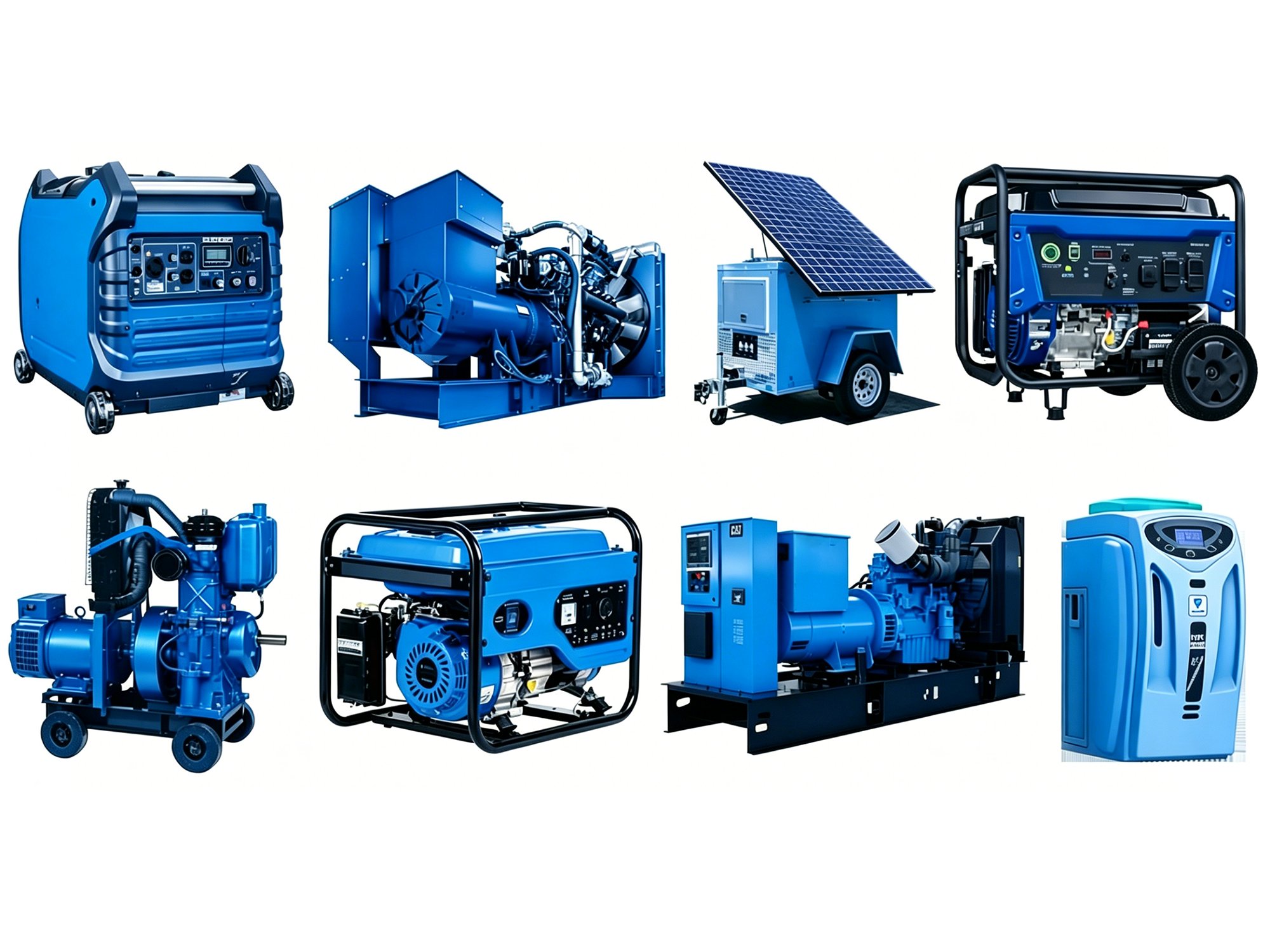
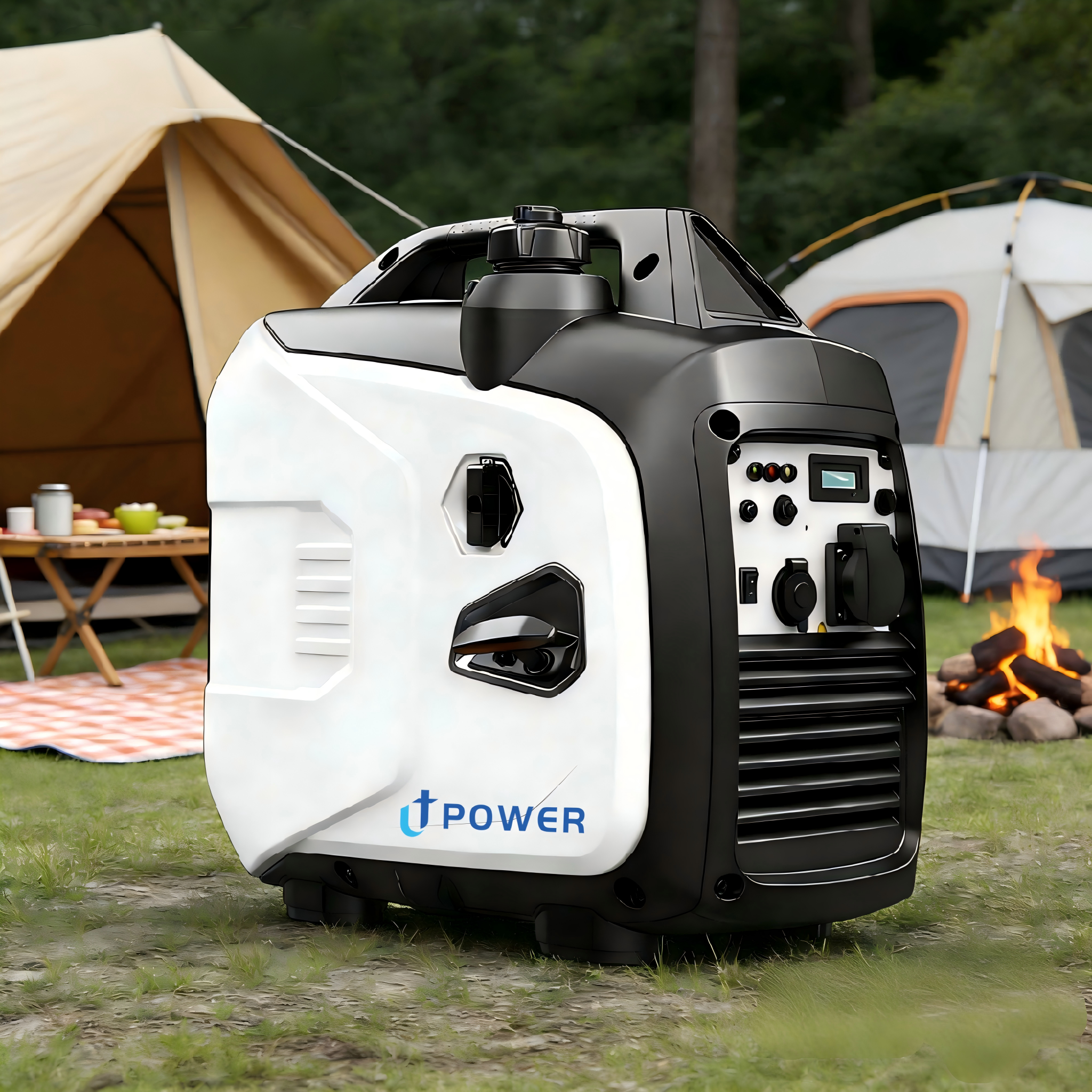
An inverter generator is a type of portable generator designed to produce stable, sufficiently clean power that works better with modern appliances. Compared to traditional portable generators, inverter generators are smaller, lighter, and quieter — which makes them better suited for home and camping use. Inverter generators are also increasingly becoming a backup power solution for small and medium-sized businesses, particularly in regions with unreliable grid infrastructure or frequent power interruptions.
How It Works
Traditional generators can only produce either DC power or raw AC power. Inverter generators work differently — they first generate AC power, convert it to DC power, and then use an inverter to convert it into clean AC power. Here’s how the process works:
The Engine Generates Mechanical Energy
Fuel enters the engine — most portable generators run on gasoline, though some run on diesel. The fuel burns and drives the engine, which turns the alternator, and that’s where power generation begins.
Mechanical Energy Is Transferred to the Alternator, Which Produces AC Power
As the alternator runs, it produces AC power. This is still the raw form of the output power — its voltage and frequency are still affected by the engine’s speed, which isn’t ideal for sensitive devices.
The AC Power Is Converted to DC Power by a Rectifier
Inside an inverter generator, the power the alternator produces isn’t sent directly to the load. Instead, it passes through a rectifier and is converted into DC power, which is smoother and easier to process into clean AC power.
The DC Power Is Converted Into Clean AC Power by an Inverter
The DC power then passes through the inverter, which converts it into clean AC power (a pure sine wave) — the kind of power that’s typically suitable for household use. The inverter shapes the waveform of the power and keeps the voltage and frequency stable.
Inverter generators also typically adjust their output power based on the actual load, which helps reduce noise and save fuel at the same time.
What’s the Difference Between an Inverter Generator and a Regular Generator?
Both types convert fuel into electrical energy, but the main difference lies in the quality of the power they output, which in turn affects things like noise level and fuel efficiency.
Here’s how inverter generators and traditional portable generators compare in real-world use:
| Feature | Inverter Generator | Regular Generator |
| Output power | More stable, cleaner | Significant power fluctuation |
| THD rating | 3%-5% or lower | 9%-35% |
| Portability | Lighter and enclosed | Bulky and heavy, usually open-frame |
| Noise | 50-70 dB(A) | 70-85 dB(A) |
| Fuel efficiency | High — adjusts based on load | Low — runs at a constant maximum output |
| Best for | Power-sensitive appliances, quiet neighborhoods, camping gear, home backup power | Users on a tight budget |
| Cost | Higher | Lower |
Benefits of Using an Inverter Generator
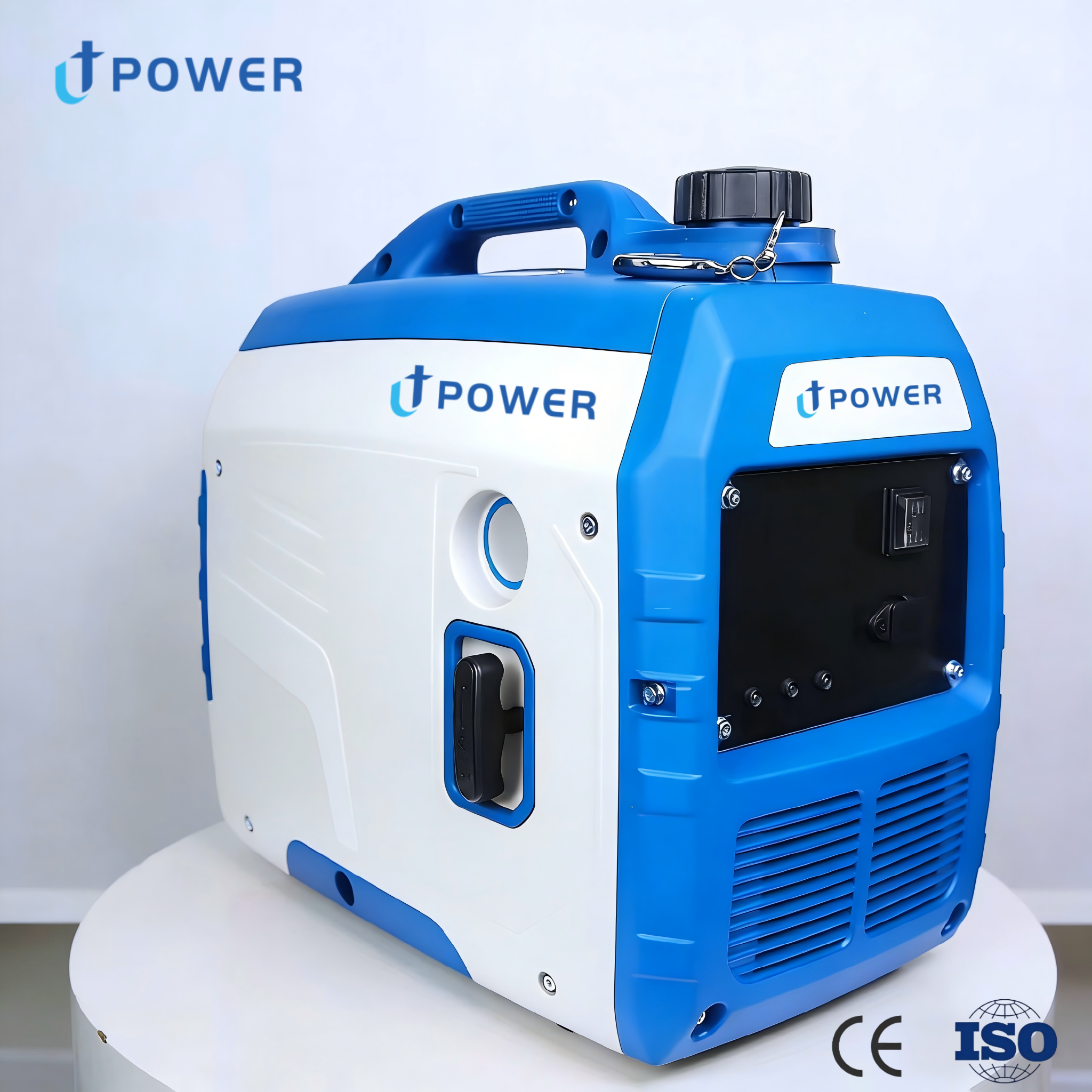
Inverter generators are designed for higher efficiency and to supply more stable, cleaner power — and that brings you plenty of benefits.
Quieter Operation
Inverter generators are usually enclosed, which blocks out some of the noise. They also flexibly adjust their power output based on load, so they run quieter under light loads. That’s a huge advantage for camping and home use.
More Stable, Cleaner Power Supply
Inverter generators produce clean, stable power. Traditional generators produce unstable power, whereas inverter generators reduce that fluctuation, making them better suited for powering sensitive devices.
Lighter and More Compact
The engineering behind inverter generators allows them to be more compact. Their small size and light weight also make them easy to transport, which makes them a great fit for small businesses and outdoor family activities.
Higher Fuel Efficiency
Inverter generators intelligently adjust their output power based on the real-time load. When the load drops, they reduce output power to save fuel — supplying power on demand improves fuel economy and overall efficiency.
How to Choose the Right Inverter Generator
Before you choose one, consider the following:
1. Identify what you need to power
List all the equipment the generator will supply, and pay special attention to the sensitive electronic devices, as they have strict requirements for voltage and frequency.
2. Calculate the total power you need
Calculate the total rated power of all electrical appliances when they are operating simultaneously, and reserve some power for the generator to cope with load fluctuations and future expansion.
3. Decide what other features you need
Consider factors beyond power output, such as fuel type, runtime, noise level, voltage, frequency, phase, power quality, parallel operation, remote monitoring, and protection functions.
Once you’ve answered these three questions, you’ll be able to find the inverter generator that’s right for you.
Final Thought
Compared to traditional portable generators, inverter generators are lighter, quieter, and deliver stable, clean power that’s better suited for modern appliances — They are well suited for applications requiring reliable power quality, including commercial equipment, communication systems, mobile operations, and other professional power applications.. If you’d like to learn more, feel free to contact us. UsuperPower is here to provide you with one-stop solution services.
FAQ
Why Convert AC to DC and Then Back to AC?
In a traditional generator, the engine’s speed directly affects the frequency and voltage, which affects power quality. In an inverter generator, the output power passes through a rectifier and an inverter before finally becoming clean AC power. This allows for much greater decoupling between the engine’s speed and the final output frequency — which is why inverter generators deliver higher-quality power.
What Is Clean Power?
In the world of generators, clean power refers to power with a stable output and steady voltage and frequency. High-quality inverter generators use electronic power conversion technology to produce a stable sine-wave output, which makes them well suited for many electronic devices that require high-quality power.
Can Two Inverter Generators Be Paralleled?
Yes, they can. Inverter generators come with a parallel-connection feature, allowing two units to supply power together. If your power demand is high — say, you’re running both a refrigerator and an air conditioner at home — paralleling them can be worthwhile.
Can an Inverter Generator Run in the Rain?
Not necessarily — you should check carefully with the manufacturer whether your unit is waterproof. If it isn’t, don’t use it in the rain. Follow the manufacturer’s instructions and take proper waterproofing precautions.
Can an Inverter Generator Run Continuously?
Yes, it can run continuously within its rated power range. However, how long it can run depends on your fuel reserve, the load, and the generator’s performance.
Is It Worth Buying an Inverter Generator?
If your appliances are sensitive and require high-quality power, I’d strongly recommend buying one. Power from an inverter generator not only keeps your sensitive appliances running smoothly but also helps protect them and extend their lifespan.