If a diesel generator is not operated and managed properly, it faces many risks, and engine runaway is one of them — it can seriously affect the service life of the generator set. Next, I will walk you through the main causes of engine runaway, and explain how to prevent it and stop it in time.
What Is Runaway?
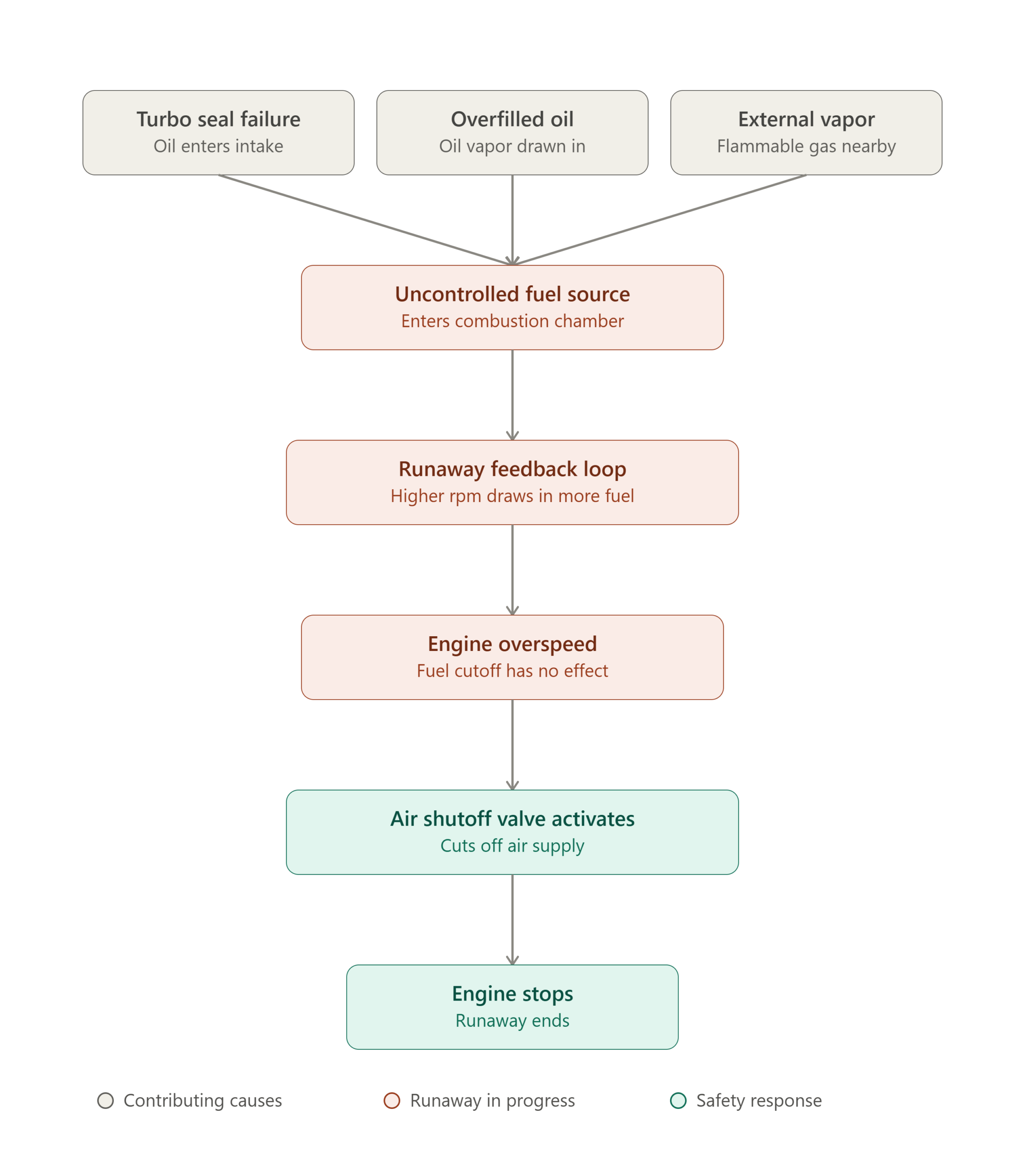
Diesel engine runaway occurs when a diesel engine begins burning fuel that is not supplied through the normal fuel system, causing the engine speed to rise uncontrollably. The engine vibrates violently, produces loud noise, and emits blue and black smoke from the exhaust, which can damage components and may even injure the operator.
The reasons for the diesel runaway
The engine runaway could be caused by various factors. Here are the common reasons for the engine runaway.
Engine Oil Combustion
Engine oil enters the intake system — for example, when it is overfilled past the marked line, it can enter the cylinders through the intake tract; when the crankcase ventilation port is blocked, pressure builds up and forces oil into the combustion chamber; and when diesel fuel leaks into the oil sump, the oil level rises and the mixed oil enters the combustion chamber and burns. A large amount of blue smoke is emitted, the engine oil is continuously consumed, and carbon deposits have accumulated severely on the piston and cylinder walls.
Excess Fuel
Poor-quality fuel injectors can cause excessive fuel delivery, and the plunger can become stuck at the maximum fuel delivery position. This resulted in a large amount of black smoke being emitted, abnormal increase in exhaust temperature, and further damage to the fuel injectors.
Improper Governor Adjustment
If the fuel pump plunger control arm does not properly engage the governor fork, the plunger can remain at the maximum fuel delivery position. Improper adjustment can also increase the preload on the control spring. The engine completely loses its speed regulation capability. Once the speed exceeds the design limit of the engine, various components will be severely damaged.
Poor Maintenance
The piston rings are worn out, causing the engine oil to enter the combustion chamber. The fuel pump may rust and get stuck at the high fuel supply position, effectively creating an uncontrolled path of “excessive fuel supply” artificially. Multiple factors accumulate simultaneously, making the situation more prone to becoming uncontrollable. Once it occurs, the damage will be more extensive and the repair cost will increase.
Recognizing the Warning Signs
Excessive Black Smoke
When your diesel engine emits black smoke, it’s a clear warning sign. It means too much diesel fuel is being burned and the engine is being overworked.
Louder Noise
If your engine produces a louder, sharper noise than during normal operation, it may be an early sign of runaway.
Blue Smoke
Blue smoke from the exhaust indicates that oil is burning, which may be caused by oil leaking from the turbocharger or other components.
Low Fuel Efficiency
A noticeable drop in fuel economy may mean the engine is working harder than normal, which can be a sign of a problem with the fuel injectors or turbocharger.
Power Loss
If your engine struggles to maintain normal power output, it is likely due to an intake problem or a blocked exhaust system.
Unstable Idle
An unstable idle can have several causes, including a restricted intake system or worn fuel injectors.
Emergency Shutdown Steps
If your engine goes into runaway, stay calm and identify the color of the exhaust smoke, different colored smoke requires different solutions.
Cut Off the Air Supply
If the smoke is blue, you can block the intake pipe or open a pressure relief valve to stop the oil from burning.
Decompress the Engine
Pull down the decompression lever to keep some of the valves open, preventing the mixture inside the cylinders from being compressed, which stops the diesel generator from running.
Cut Off the Fuel Supply
If the smoke is black, cut off the diesel fuel supply and pull back the throttle to the “OFF” position. At the same time, block the air intake to “starve” the engine of air, which stops it from running.
Prevention for diesel engine runaway situations
1. Perform Regular Engine Maintenance
Carry out regular engine maintenance according to the manufacturer’s maintenance schedule.
The key maintenance targets are as follows:
- Air filter
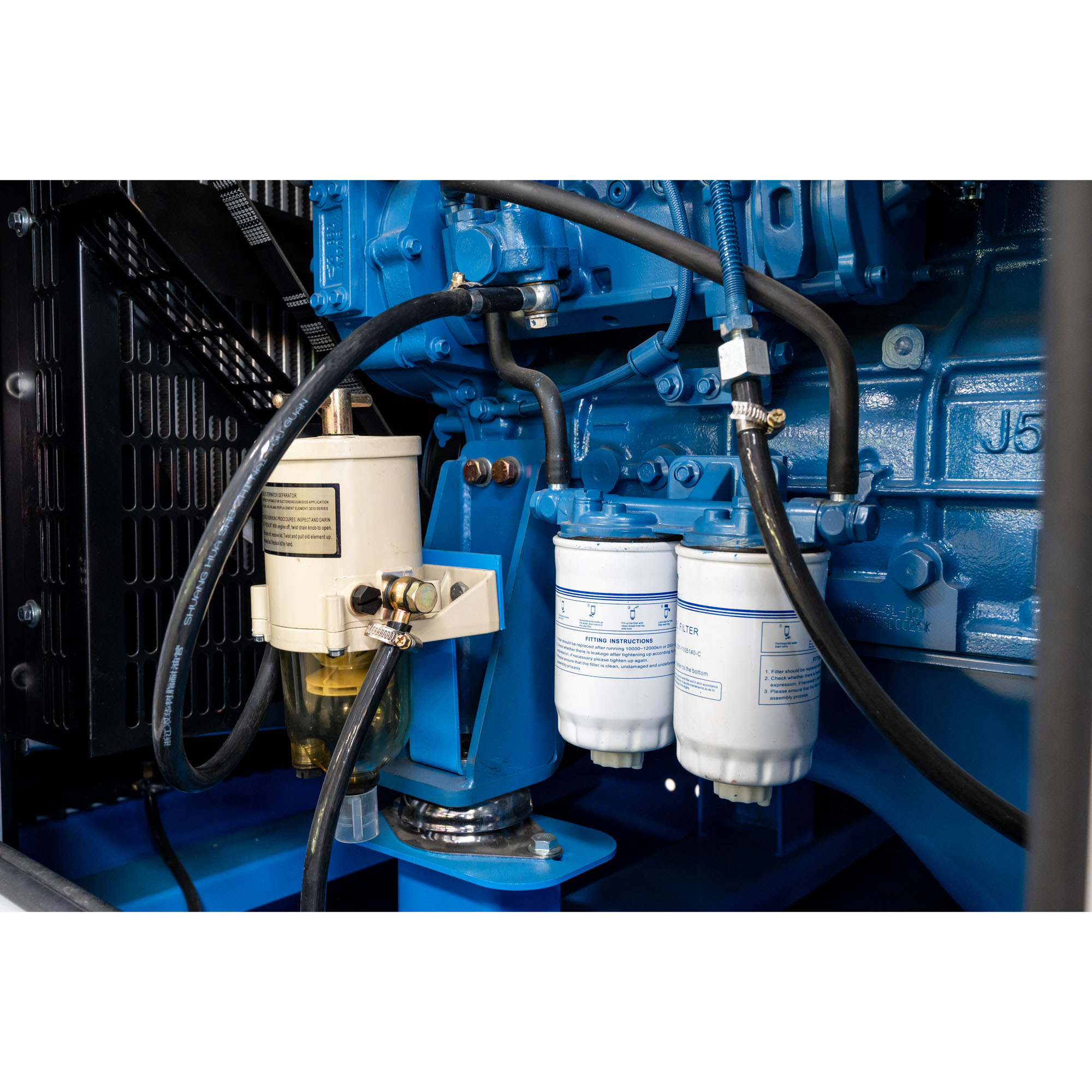
- Fuel filter
- Oil leaks
- Fuel leaks
- Governor
- Fuel injection pump
- Injector
As the usage time increases, these components will wear out, causing abnormal fuel control and thus leading to engine instability.
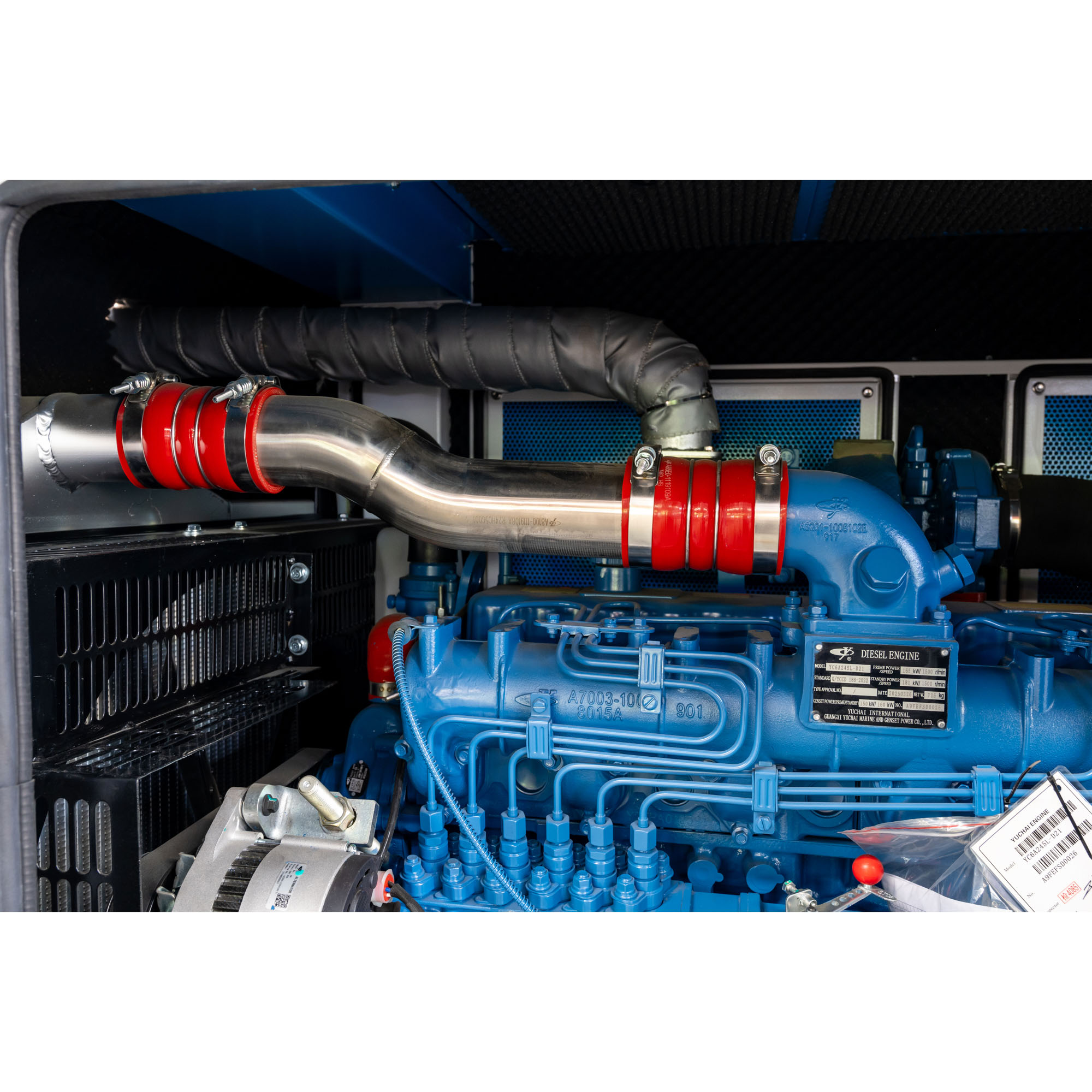
2. Inspect the Turbocharger and Air Intake System
The turbocharger is an important component of a diesel engine.
It’s recommended to regularly check:
- Whether the turbocharger shaft shows excessive wear
- Whether the seals are damaged
- Whether the intake hoses have cracked
- Whether the intercooler has oil buildup
- Whether a large amount of oil is entering the intake system
If you find significant oil contamination in the intake system, you should immediately identify the root cause and repair it, rather than simply cleaning it out.
3. Maintain Proper Oil and Fuel Levels
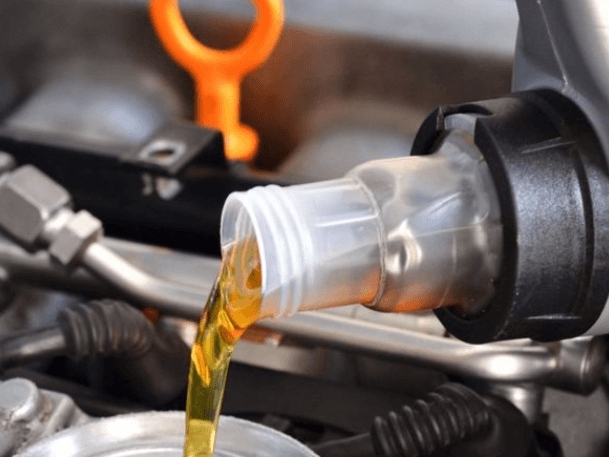
Keep the correct levels of engine oil and fuel. Do not exceed the maximum mark on the oil dipstick (MAX);
;Use the oil that meets the manufacturer’s requirements;Use clean, high-quality diesel;Avoid allowing the oil to enter the intake system
Excessive engine oil may increase the risk of the engine inhaling oil, while poor-quality fuel can cause problems with the fuel injection system.
Emergency Response for Diesel Engine Runaway Situations
1. Stay Away and Alert Others
If the engine loses control, it may explode at any moment. Therefore, people should be evacuated and stay away from the engine.
2. Cut Off the Supply
Cut off the air supply and fuel supply, block the air to make the engine “asphyxiate”, and cut off the fuel supply to reduce combustion.
3. Do Not Restart the Engine
After the engine stops, it cannot be restarted immediately. First, check the turbocharger, crankcase, fuel injector, governor, and lubrication system. Once the fault is identified and repaired, it can be used again.
Final Thought
Engine runaway in a diesel generator is a serious fault that requires you to identify the cause promptly and carry out an emergency shutdown. If you have any questions, please contact us at UsuperPower — we will provide you with a reliable power solution.
FAQ
Will the engine stop on its own after going into runaway?
Yes, the engine will eventually stop once it runs out of combustible fuel or suffers a severe failure. However, you should not let it stop on its own, since this can damage many components. You need to actively shut it down yourself to protect the engine.
Is engine runaway common?
The probability is extremely low, but when it does happen, it is especially serious. You may never encounter this situation in your entire career, but if you do, you must know how to handle it.
What is the difference between engine runaway and simply running too fast?
Engine runaway is not simply a matter of the engine speed being too high — it also involves black or blue smoke, loud noise, and other symptoms.
Why can’t turning off the key stop a runaway diesel engine?
Generally, it won’t. If the engine is burning oil or another unintended fuel, it may keep running even after the ignition switch is turned off. In this situation, cutting off the air intake is the most reliable emergency shutdown method.
Do modern diesel generators have overload protection?
Yes, most modern diesel generators do have overload protection. However, this function is designed mainly to protect the alternator, and it only indirectly protects the engine — it is not specifically designed to protect the engine itself.