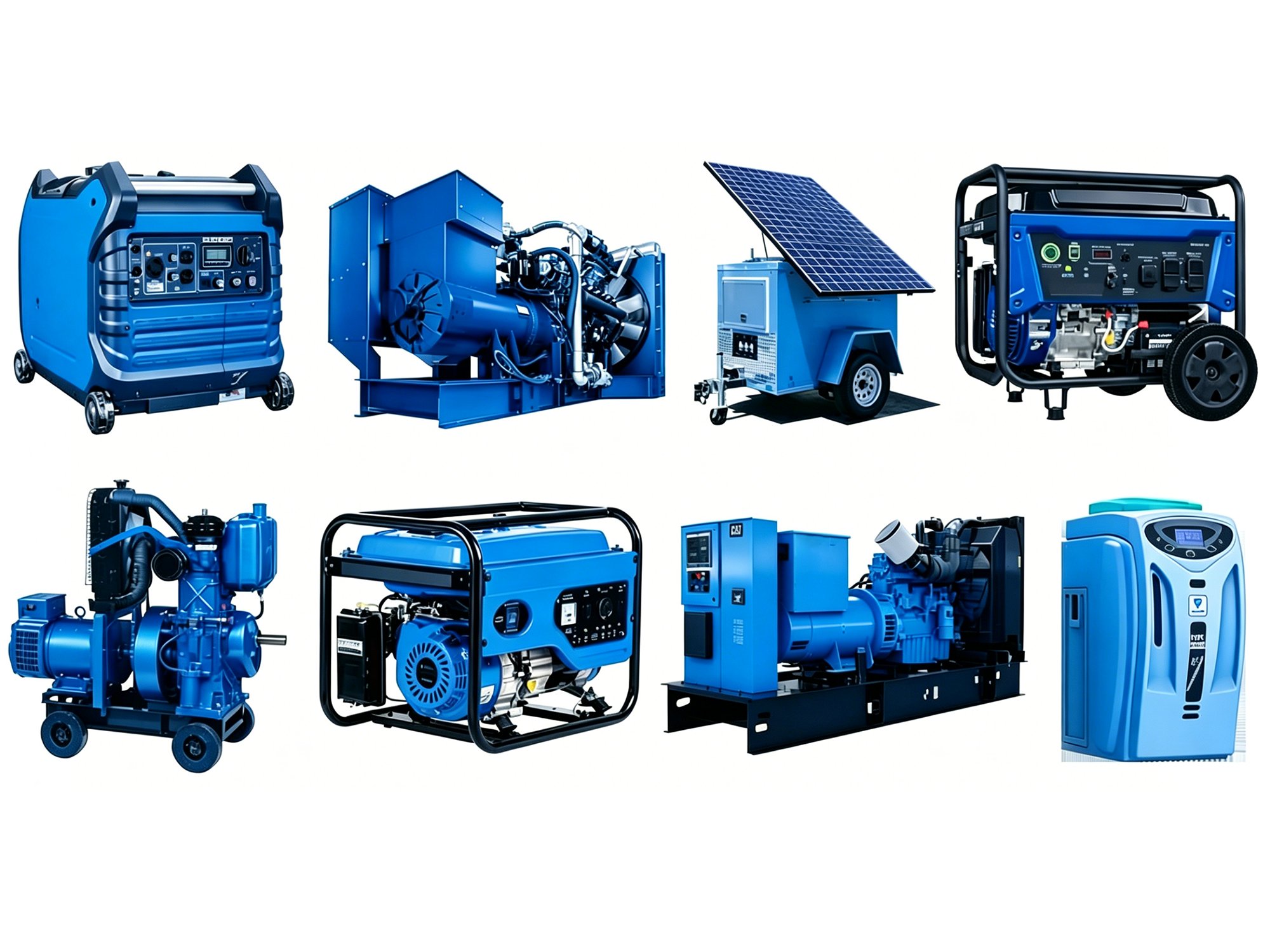
If you choose an unsuitable generator for your application, imagine that for industrial facilities operating thousands of hours per year, the cost difference between diesel and gas generators may be tens or even hundreds of thousands of dollars.
This article will help to identify their difference and best applications.
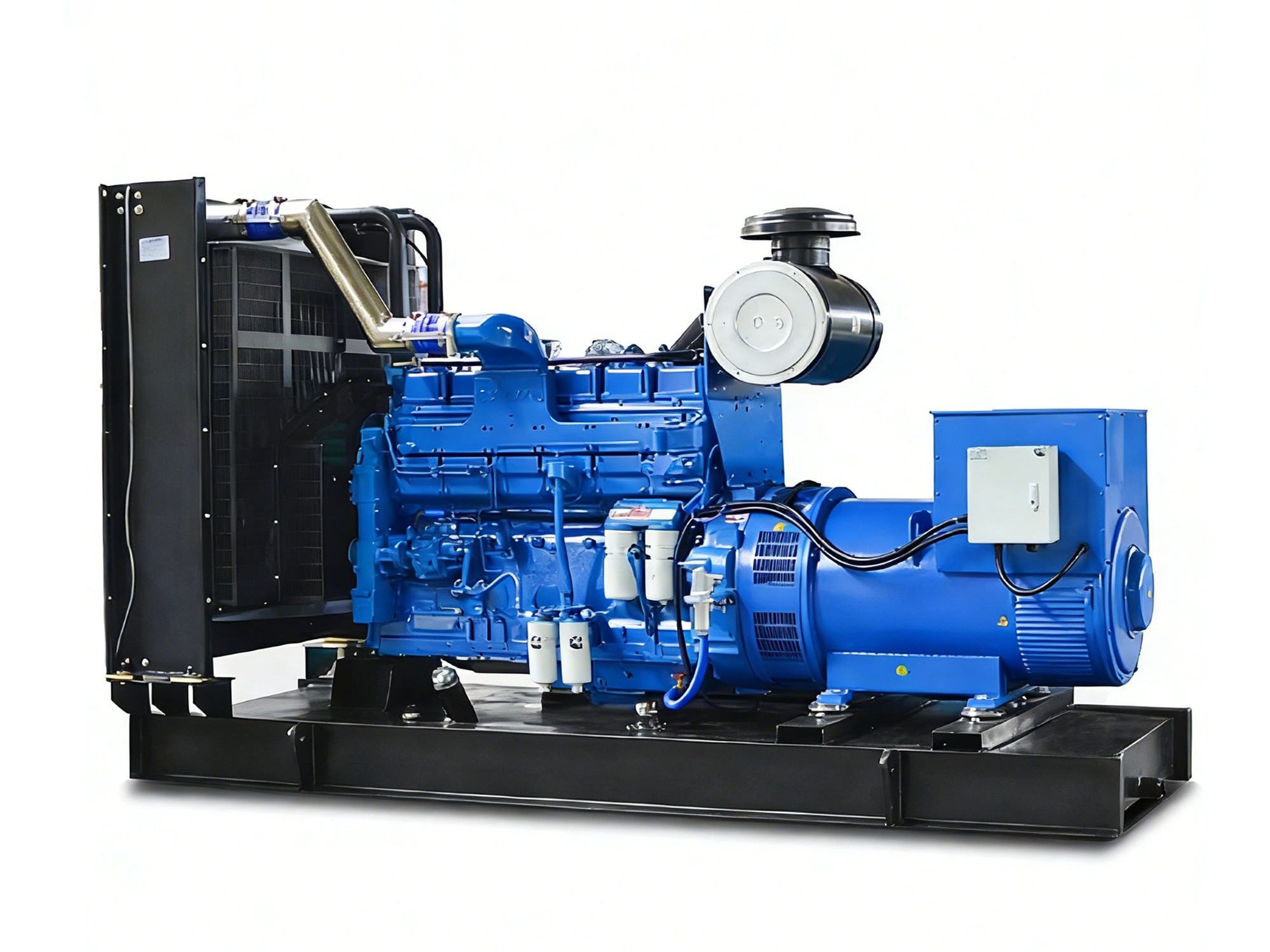
What is A Diesel Generator
Diesel generators are known for their high fuel efficiency, using compression to ignite fuel, so they require less fuel compared to natural gas generators. Diesel generators introduce and compress air and fuel separately into the engine, allowing them to output power with less fuel. The energy density of diesel is approximately three times that of natural gas. They are the preferred choice for industrial, construction sites, and off-grid areas that require a continuous power supply.
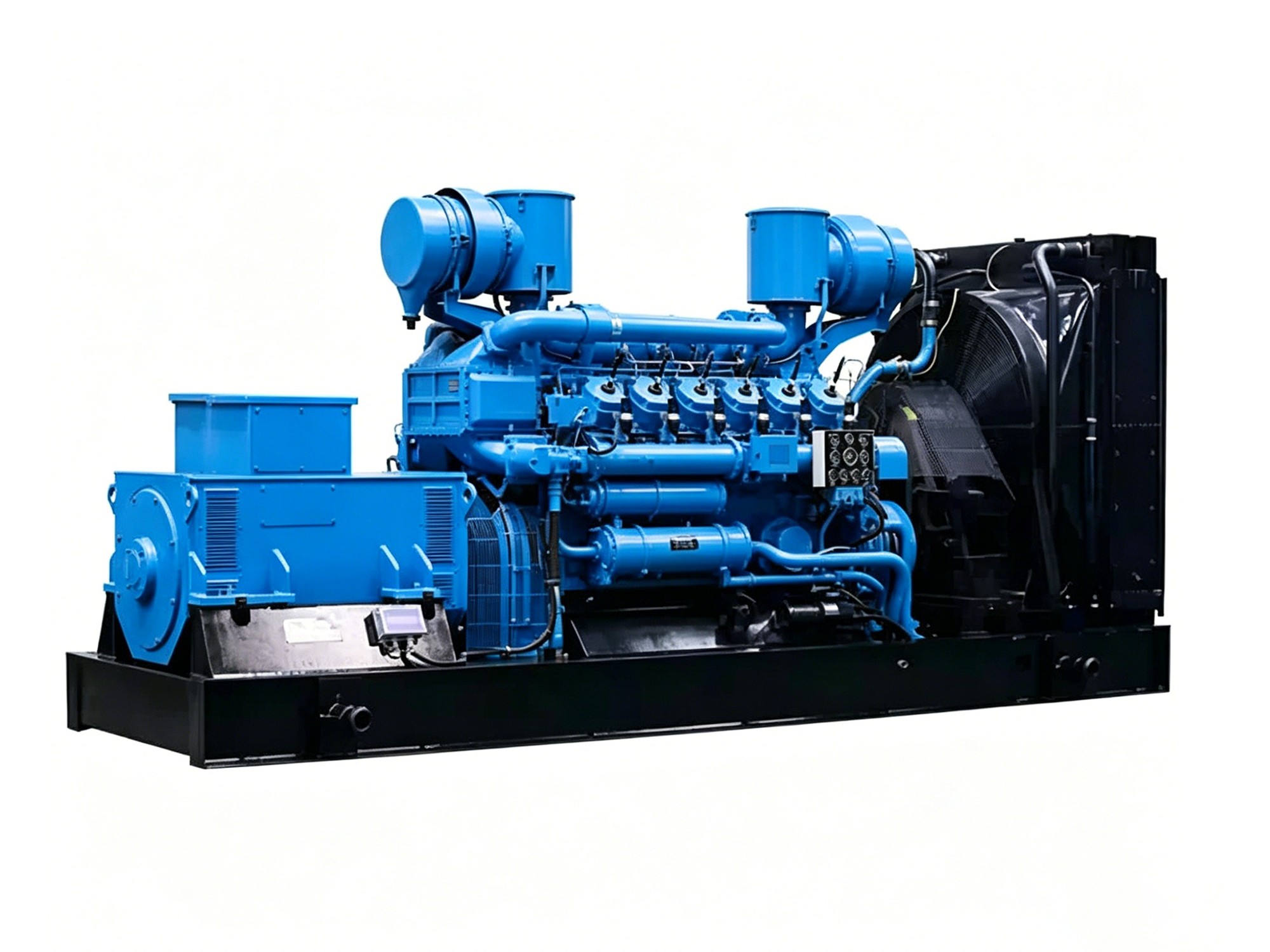
What is A Gas Generator
Gas generators are another option for power generation and can use liquefied natural gas (LNG) or liquefied petroleum gas (LPG) as fuel. They are considered the most cost-effective and efficient power generation fuels in clean energy. In terms of price, coal may be the only fuel that is cheaper than it. Due to the characteristics of natural gas, it is mainly supplied through pipelines and widely used in large cities.
Difference between Diesel and Gas Generators
1. Fuel Efficiency
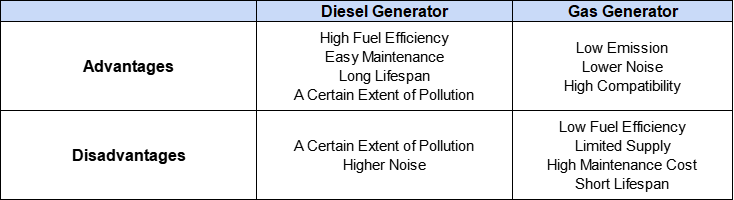
Diesel generators are usually more efficient than gas generators. Under the same unit of fuel, using diesel fuel can obtain higher energy. Although natural gas is usually cheaper, its energy density is not as good as that of other fuels.
2. Initial and Operating Cost
The initial cost of diesel generators is usually higher. However, for the long-term operation, due to its fuel economy factors, durability is stronger and overall costs are lower than gas generator.
The initial cost of gas generators is usually lower, but natural gas prices fluctuate according to supply and demand, and require stable pipeline supply.
3. Fuel Supply
Diesel supply is sufficient, but weather conditions may affect its transportation, and you also need to refuel the generator regularly. Natural gas is mainly supplied through pipelines and is less affected by severe weather. It is usually supplied adequately in densely populated areas, but remote areas may not have access to a sufficient natural gas supply. You need to bear the cost of laying gas pipelines.
4. Emission
The emissions of gas generators are lower than those of other non-renewable fuels such as coal, diesel, or gasoline, and there will be no odor during combustion.
5. Safety
Diesel is less flammable than gas and has a lower risk of fire due to the absence of spark plugs. During the installation process, you need to equip a spill collection pool to prevent fuel leakage. Natural gas is highly explosive, and if the pipeline ruptures, it may pose a serious fire hazard.
6. Maintenance
The maintenance cost of diesel engines is lower than that of gas engines with the same configuration. Gas generators may have higher maintenance costs due to the use of spark plugs and spark plug wires.
How to Choose A Suitable Generator?
Whether choosing a diesel generator or a gas generator, you need to carefully consider various factors. Different types of generators have their own advantages and disadvantages, suitable for different applications and environments. The following are the key factors you should consider:
1. Application
Generators are mainly used as a prime or backup power supply.
If you need a generator that can operate continuously in remote areas without a power grid, we recommend using a diesel generator due to its high durability and fuel efficiency.
If your region has a sufficient natural gas supply, you can choose a gas generator, which can provide an uninterrupted fuel supply in emergency situations without the need for refueling.

2. Environmental Impact
If your area has requirements for noise and emissions, we recommend that you choose a gas generator, which has fewer emissions, lower noise during operation, and will not cause inconvenience to residential areas. Besides, some advanced models or specially designed diesel generators can also meet the relevant requirements.
3. Fuel Supply and Cost
Diesel fuel is usually more expensive than natural gas, but its fuel efficiency is higher. In other words, although diesel prices are higher, the same volume of diesel can provide more energy than natural gas. Therefore, from a long-term operational perspective, choosing diesel can significantly reduce your long-term operating costs.
On the other hand, gas generators can achieve continuous fuel supply through natural gas pipelines, while diesel generators require regular refueling.
4. Maintenance and Lifespan
Diesel generators perform well in terms of durability and low maintenance requirements, and have a longer service life. For long-term operation, diesel generators are your more cost-effective choice.
With the development of technology, the performance between diesel generators and natural gas generators has significantly narrowed. Nowadays, the pollution emissions of diesel generators are much lower than those of previous models, and many natural gas generators can also meet the requirements that were previously only achievable by diesel generators.
Before making a choice, you need to answer two important questions:
What is your generator used for?
How much are you willing to pay for your generator?
Final Thoughts
There is no absolute answer when choosing diesel and gas generators. Before making a final decision, it’s worth evaluating all factors that can influence your generator cost. Usuper Power has rich experience in selecting generators for global customers. You can contact us for a free generator sizing and fuel cost analysis.
FAQ
Is a Gas Generator Cheaper Than a Diesel Generator?
Diesel generators generally have a higher initial cost, but for long-term operation, we still recommend that you choose a diesel generator for your power generation. In addition to price, you should also consider factors such as the durability, emissions, and application of the generator.
Which generator is better for backup power?
Diesel generators are generally considered the better choice for backup power because they offer high reliability, fast emergency response, and independent on-site fuel storage. Gas generators can be a good alternative when natural gas is available, and lower emissions or long runtime are priorities.
Are gas generators safe?
Although natural gas is flammable, modern gas generators usually have advanced safety protection systems such as gas leak detection, automatic shutdown protection, and monitoring systems to minimize your operational risks.
What is the cost difference between diesel and gas generators?
The cost depends on your generator operating hours and local fuel prices, etc. The most economical option should be evaluated based on your detailed requirements rather than price alone.
Is a gas generator more environmentally friendly than a diesel generator?
Yes, gas generators are generally more environmentally friendly than diesel generators because they produce lower emissions of CO₂, NOₓ, particulate matter, and sulfur compounds. However, modern diesel generators can also achieve low-emission performance when equipped with advanced emissions-control technologies.
Can a gas generator replace a diesel generator?
Nowadays, a gas generator can replace a diesel generator in many applications, particularly where natural gas is adequate. However, diesel generators are still preferred for emergency backup power and remote areas where fuel independence and reliability are essential.