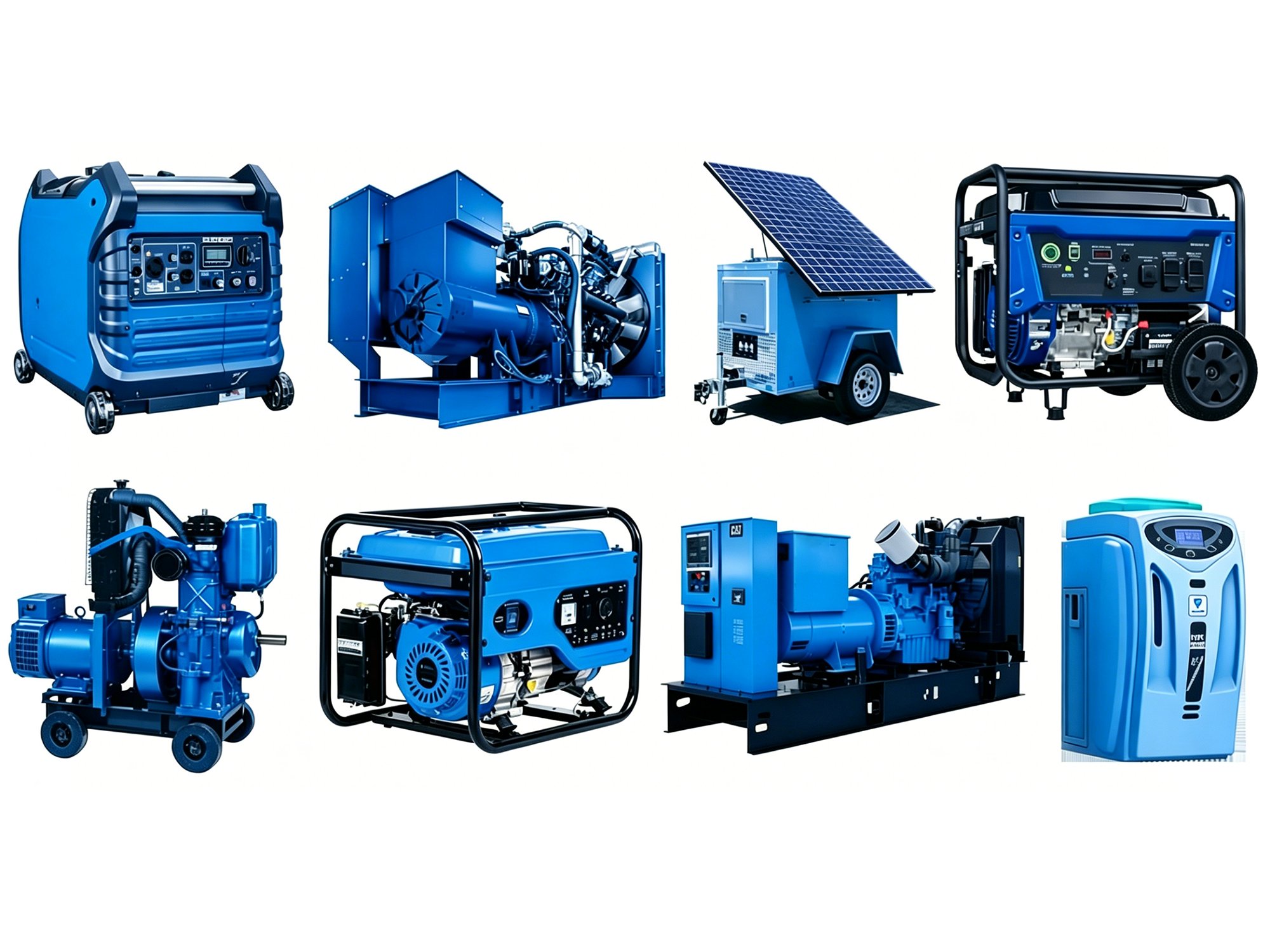
When people choose a generator, they tend to focus more on the engine, alternator, and control system. But without a stable fuel supply, the entire unit can’t run properly — and the fuel tank, as the container that holds the fuel, is the foundation of a generator’s reliability.
UsuperPower will walk you through everything about a generator’s fuel tank below.
How a Generator’s Fuel Tank Works
A generator’s fuel tank first stores the fuel, then the fuel system delivers it to the engine. The engine can’t burn all of the fuel delivered to it in one pass, so the unused fuel is returned to the fuel tank. A fuel level sensor monitors the level inside the tank and triggers an alarm if it runs low.
Types of Generator Fuel Tanks
Generator fuel tanks fall into two types based on how they’re connected and mounted to the generator: base-mounted fuel tanks and external fuel tanks.
Base-Mounted Fuel Tanks
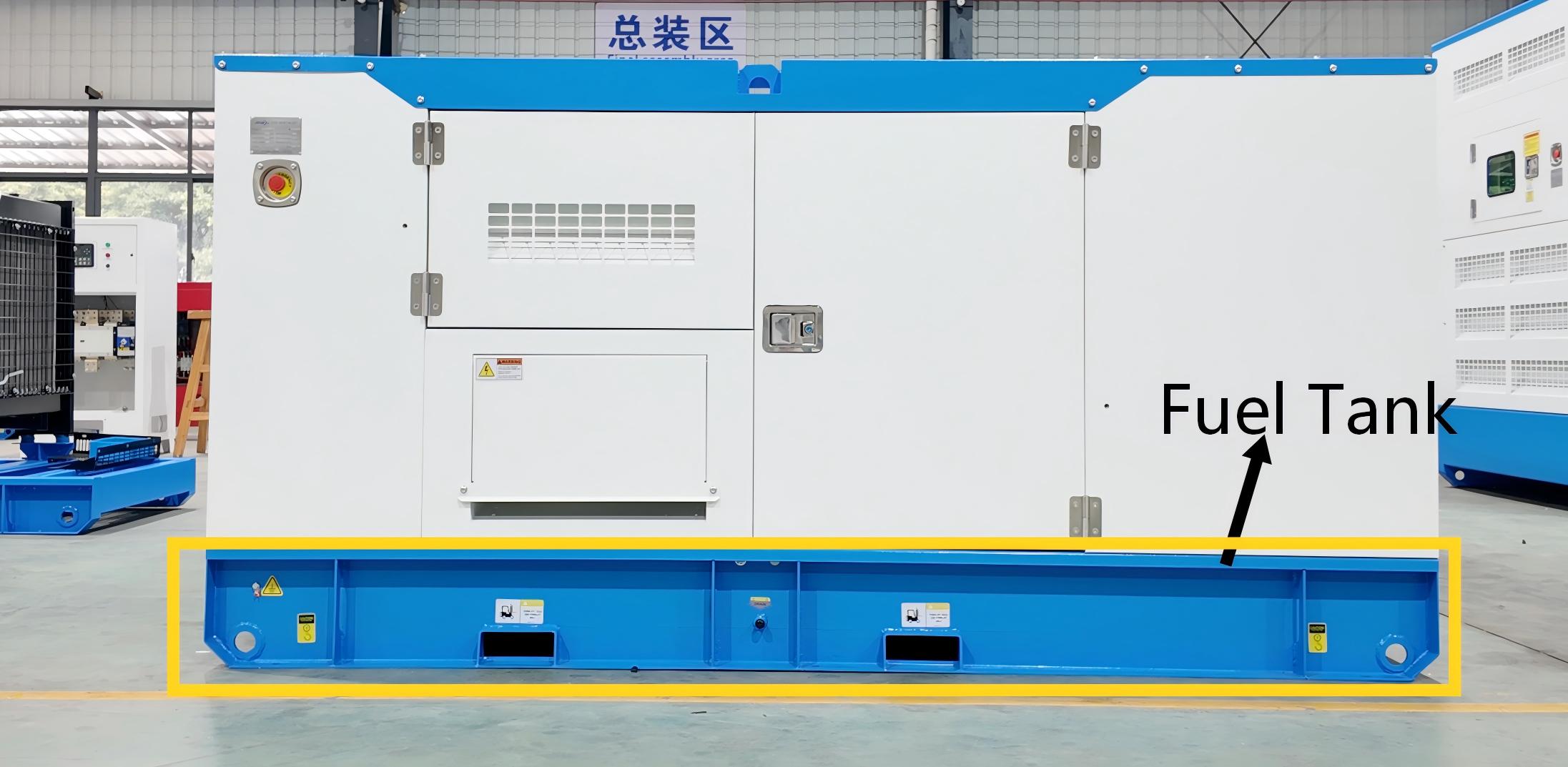
A base-mounted fuel tank is installed directly under the generator set, forming a compact, integrated unit that both supplies fuel and provides structural support.
Characteristics:
- Integrated with the generator set, compact, and saves installation space.
- Since the fuel tank is directly integrated with the generator set, no extra fuel supply lines are needed.
- Quick to install, with no need to connect an additional fuel tank.
- Well suited for standby generator, short-duration operation, and projects that don’t need long-term fuel storage.
Applications for generators with base-mounted fuel tanks: Commercial buildings, construction sites, backup power, and small to medium-sized factories.
External Fuel Tanks
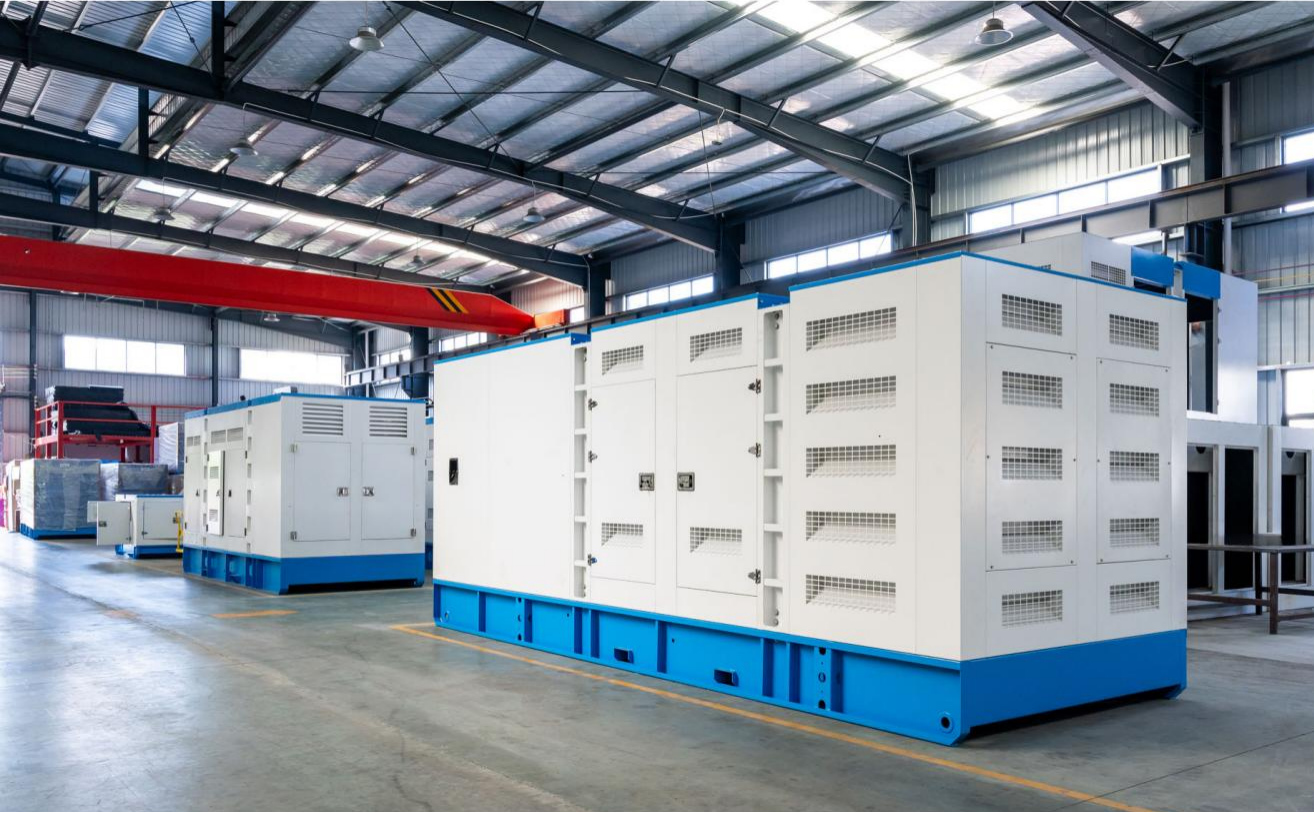
An external fuel tank is separate from the generator set and connects to it through fuel supply lines and a return system. Businesses that need longer generator runtimes typically use an external fuel tank.
Characteristics:
- Independent of the generator set.
- External fuel tanks typically have a large capacity.
- External fuel tanks can be swapped out flexibly.
- Well suited for large generator sets.
Applications for generators with external fuel tanks: Large projects that need long-duration operation.
To help you understand the differences between the two types of fuel tanks more clearly, here’s a table for you:
| Feature | Base-Mounted Fuel Tank | External Fuel Tank |
| Mounting location | Under the generator | Separate from the generator |
| Structural design | Integrated with the generator set | Outside the generator |
| Space requirement | Low | High |
| Capacity | Small to medium | Medium to large |
| Best for | Backup power and other projects that don’t need long-term operation | Long-duration, large-scale projects |
How to Choose the Right Fuel Tank for You
When choosing a fuel tank, consider the following:
Your generator’s rated power: Start by considering your generator’s rated power — the higher the power, the more fuel it consumes. Assuming both units run at 80% load, a 100 kVA unit consumes roughly 16 L of fuel per hour, so running it for 8 hours would need a fuel tank of about 128 L. A 1000 kVA unit consumes roughly 10 times as much fuel per hour, so running it for 8 hours could require a fuel tank of over 1000 L.
Expected load: Calculate your expected load by adding up the load of everything you need to power, to arrive at an approximate total load.
Your generator’s fuel consumption: Calculate fuel consumption based on your generator’s rated power and actual load, combined with how long you need to run it.
Choosing between a base-mounted or external fuel tank: Weigh all of the above before deciding on a fuel tank type. If your needs are modest and you’re just using it for backup power, a base-mounted fuel tank is enough. If you have a large, long-duration project, we recommend an external fuel tank.
Fuel tanks on the market are generally sized to support 8 hours of generator runtime, but the actual figure depends on your generator’s fuel consumption. If you need longer runtimes, you can have a fuel tank custom-built — we accept custom orders and can offer you a recommended solution.
Consequences of Neglecting Fuel Tank Maintenance
Contamination
Condensation on the fuel tank’s inner walls, microbial growth, and sediment from aging diesel can clog the filter — all of which can affect the engine’s operation and cause it to fail.
Material Aging
Corroded or damaged welds can compromise structural integrity, and severely rusted welds can cause fuel to leak.
Leaks
A single-wall fuel tank without a second layer of protection carries a risk of leaking.
Routine Fuel Tank Maintenance
Check for rust: The bottom of the fuel tank is where you most need to check for rust, since condensation eventually settles below the diesel and comes into direct contact with the tank’s bottom. Welds, drain points, and fuel connections are also highly prone to rust and need to be inspected.
Check the diesel quality inside the fuel tank: The diesel can go bad in the fuel tank, so take samples regularly and test the fuel quality.
Check for water in the fuel tank: Changes in ambient temperature can cause condensation to form on the tank’s inner walls. That condensation can get into the diesel and speed up its degradation, so check the fuel tank for water regularly and keep the generator set in a dry, cool location.
Final Thought
When choosing a generator set, the fuel tank might not be the first thing on your mind, but it’s still one of the key components. The right fuel tank keeps the fuel supply stable, prevents leaks, and keeps the generator running properly. If you still have questions about fuel tanks, contact UsuperPower — we’ll provide you with one-stop power solutions.
FAQ
What’s the Difference Between the Fuel Tank and the Fuel System?
A generator’s fuel tank is part of the fuel system, not the entire fuel system. The fuel tank is mainly responsible for storing fuel, while the fuel system is responsible for delivering fuel to the engine and handling the return flow.
How Big Should a Generator’s Fuel Tank Be?
The fuel tank’s capacity mainly depends on your generator’s actual fuel consumption and how long you need it to run — it shouldn’t be determined by rated power alone.
What’s the Difference Between a Single-Wall and a Double-Wall Fuel Tank?
The main difference is how they protect against leaks.
A single-wall fuel tank has only one wall holding the fuel. It’s simple in construction and relatively low in cost, but it lacks a second wall to contain any leak that occurs.
A double-wall fuel tank adds a second wall around the main tank. If the inner wall leaks, the outer wall helps contain the leaked fuel, and it can also be paired with a leak-detection system for monitoring.
How Often Should the Diesel in a Generator’s Fuel Tank Be Replaced?
There’s no fixed replacement schedule that applies to every generator.
How well the diesel holds up depends on fuel quality, temperature, moisture, storage time, and how clean the fuel tank is.
Does a Generator’s Fuel Tank Need to Be Double-Wall?
Not necessarily — whether you need a double-wall fuel tank depends on your local regulations, environment, and the safety requirements of your project.