When you face terrible power outages, what kind of generator rating do you need—a standby or prime power rating? You need to consider many factors; the most important is the generator rating.
This article may help you learn the difference and which one is suitable for your application.
Why Does Power Rating Selection Matter?
The unsuitable power rating means you purchase generators beyond your actual requirements or face a shortened lifespan due to major repairs, maintenance, and shutdowns. If you decide to purchase generators for your business or project, there are differences between a prime and standby generator that you should think about.
A proper generator selection process should evaluate the load curve, expected operating time, operating environment, and regulatory requirements. This ensures that the rated power of the generator matches the actual requirements of your system, not just its peak kilowatt demand.
What is a Standby Power (ESP)
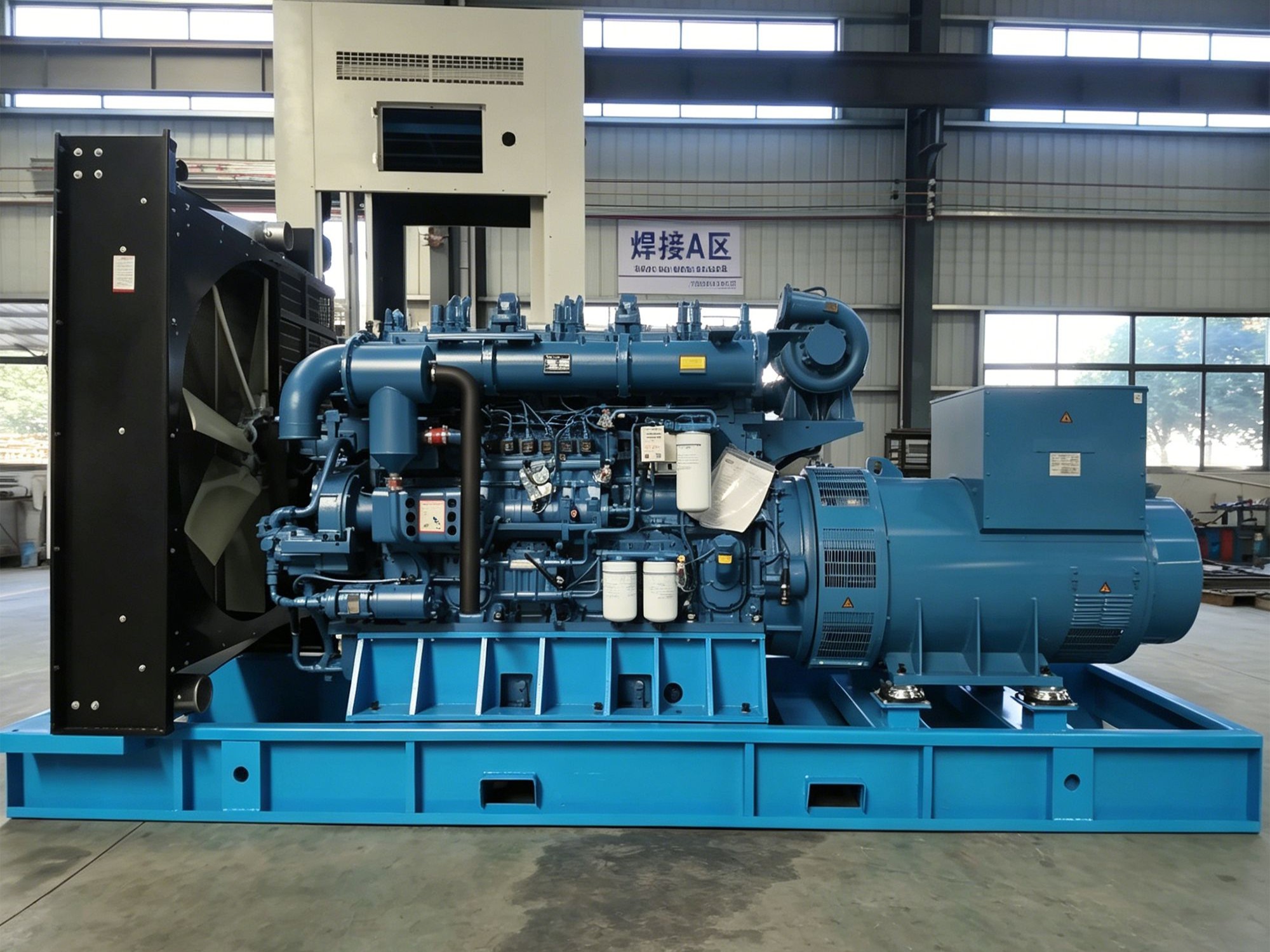
The standby power rating is the most common rating in industrial generators and commercial generators. Standby generators are only used for emergency backup, and they are not intended to serve as a prime power source. This type of generator can be applied anywhere power outages may occur.
Main Features
- Only for emergency standby use
- Design to operate during power outages
- Limited to a certain operating time per year
- Not ideal for sustained or continuous load
If you run your standby generator more than the recommended operating time or use it for peak shaving, load management, and extended off-grid operation, your standby generator may break down and malfunction. This is because they are not designed for long-term operation at a full load.
Recommended Application
- Power outage protection for public facilities
- Support for life safety and emergency systems
- Business continuity during power grid failures
Typically, the standby generator needs to operate with an ATS, which has the ability to transfer the load from the main power source to the standby generator.
Once again, it is recommended to use standby generators only during power outages. You should also conduct regular tests and maintenance for your generator.
What is a Prime Power (PRP)
A prime generator is one that operates as the main power source for long-term stable operation. Its design purpose is to provide a stable power supply for applications where utility power is unstable or unavailable for extended periods. According to the ISO 8528, a prime generator has the ability to provide power to time-varying power loads and bear overload within a certain range.
Main Features
- Designed for your long-term operation
- Capable of withstanding variable loads
- Usually can run for an unlimited time each year
- More durable than standby generators
Although the prime generator supports long-term operation, your proper load management and maintenance will help ensure its reliability and durability.
Recommended Application
- Remote areas without access to a main power source
- Long-term temporary electricity
- Facilities with frequent or prolonged power outages
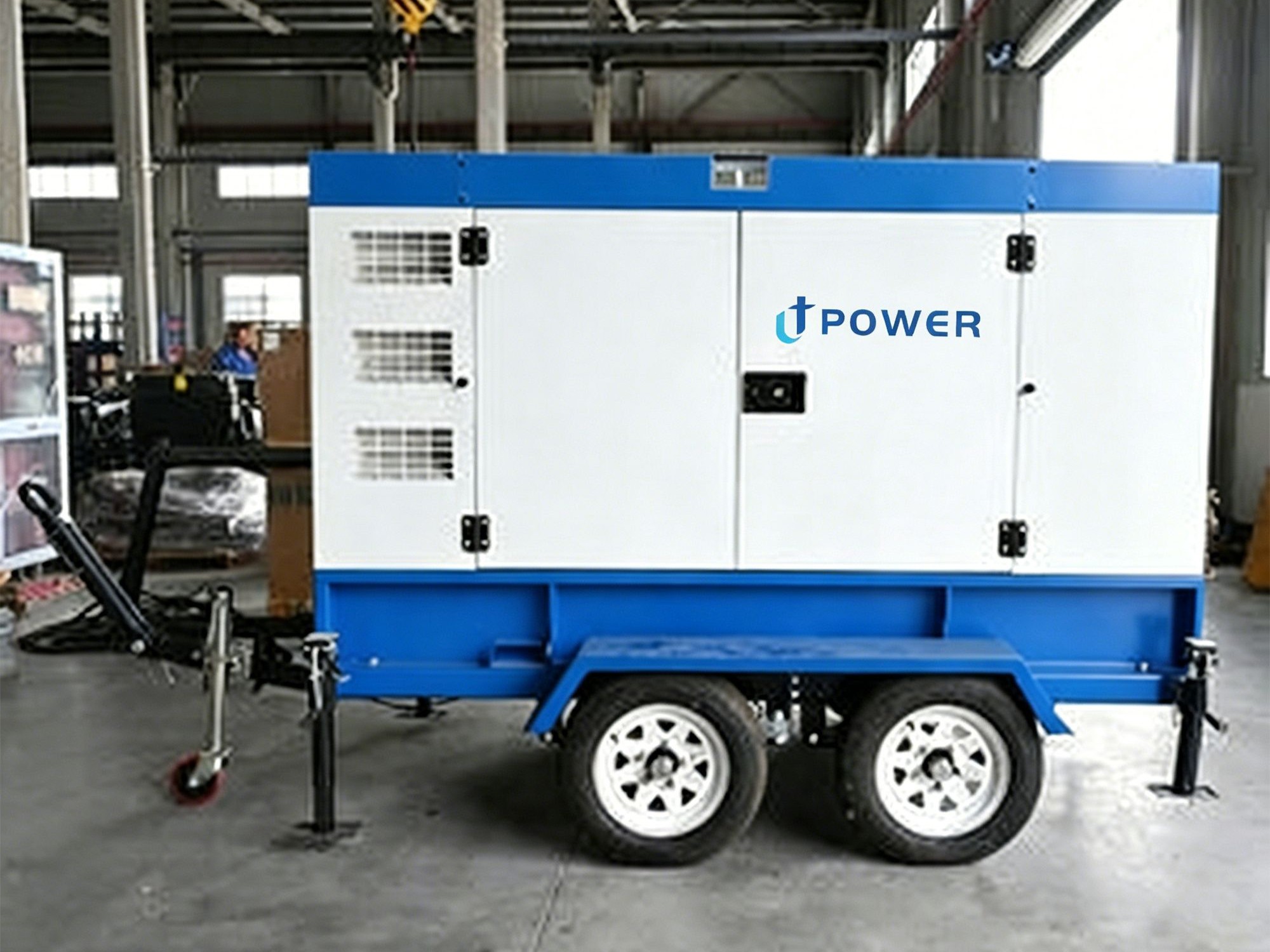
Gravel plants, mines, oil & gas, and remote construction sites are all applications that use prime generators. The prime generators allow a 10% overload in emergency situations, up to 1h/12h, and up to 25h/year. Besides, it is able to be selected as a mobile power solution.
Recommended Application
- Basic load power generation
- Industrial production facilities
- Microgrids and independent power systems
Due to their long-term operation design, these continuous generators are equipped with durable engine blocks, cooling systems, lubrication systems, AC generators and AVR systems to maintain stable power output. With proper maintenance, they have the ability to operate continuously without performance degradation.
Difference Between Prime and Standby Power Ratings
The following table provides a quick comparison of standby and prime power ratings.It will help you identify which rating best matches your operating requirements.
| Rating | Prime | Standby |
| Purpose | Main source of power in off-grid locations or Peak Shaving | Standby power during outages |
| Operating Time | Long-term but not 24/7 at full load
| Occasional use during emergencies |
| Load Handling | Varies depending on needs | Fixed load during outages |
| Application | Remote sites, construction, mining | Hospitals, data centers, commercial |
| Maintenance | Moderate – High | Low |
Final Thoughts
The customized power solutions are always best for your application requirements. Generator ratings are just one of the factors you need to consider. Usuper Power team has the rich resources and technical expertise to handle everything about your power challenges.
Contact us to analyze detailed requirements to ensure the selection of appropriate generators!
FAQ
What maintenance is required for standby and prime generators?
You should regularly check your generator oil levels, air filters, coolant, the fuel system, and the battery, along with periodic load tests, to ensure reliable performance and lifespan.
What size generator do I need?
In short, you need to calculate the total power demand for your equipment, then add a 10-20% redundant power for your generator. For example, if your equipment requires a total power of 80kVA, you should consider a generator rated between 90kVA and 100kVA.
How do I know if I need a prime or standby power rating?
A prime generator rating is able to operate continuously without stopping. In contrast, the standby generator rating only operates when needed and does not operate at other times, which is suitable for those who only need a power supply in emergency situations.
Can the two types of generators be used in emergency situations?
Yes, they all have the ability to be used as emergency power sources. However, if you require a longer power supply during power outages, it would be practical to deploy a standby generator or prime generator. A prime generator must operate for a long time without any pauses or maintenance.
Are the standby generators able to run continuously?
No, you should not use the standby generator for long-term operation. A standby generator is designed for emergency backup power rather than continuous operation.
Does a prime generator allow overload?
Yes. A prime-rated generator typically allows a 10% overload for up to 1 hour in every 12 hours, with a maximum of 25 hours per year under ISO 8528-1. This is intended for occasional emergency use only.