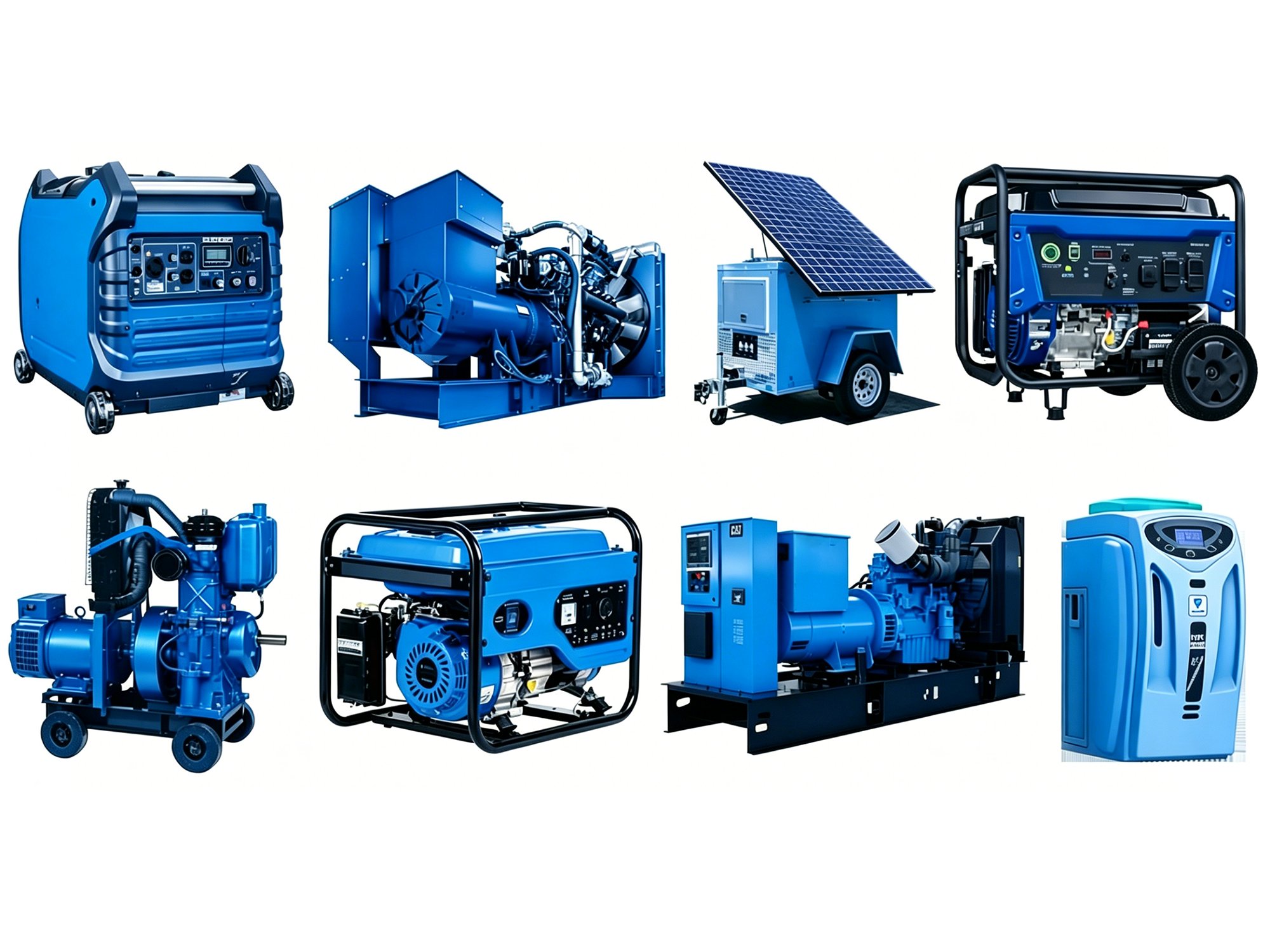
Have you ever faced the problem: you are operating a manufacturing factory, hospital, or data center, but your generator suddenly outputs unstable voltage? It may cause your sensitive equipment to shut down, production to stop, and expensive electronics to be permanently damaged.
In this article, we will discuss what an AVR is and why it is so important for your generator
Understanding The Automatic Voltage Regulator Features
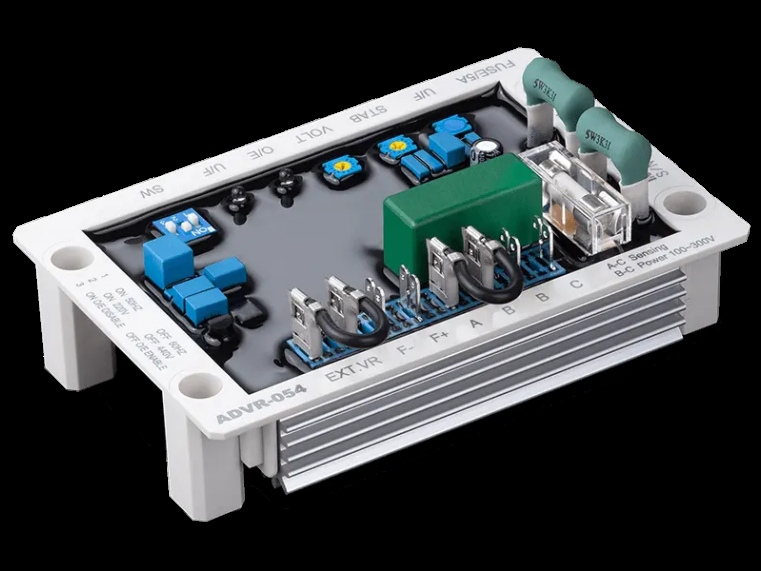
An Automatic Voltage Regulator (AVR) is a device used to control generator voltage; it can automatically adjust the voltage to the set value when voltage fluctuations are detected. In a word, an automatic voltage regulator (AVR) can receive continuously changing input voltages and maintain a constant output voltage. Your generator voltage may experience sudden drops, spikes, or surges, which can damage your electrical equipment if you don’t equip an AVR for your generator.
Why Generator Voltage Regulator is Necessary
The generator can’t hold the load steady all the time, just like your household appliances can’t hold their output steady all the time. So, it’s not only important but also necessary to adopt an AVR to your generator. Without an AVR, you could have the following problems:
- Overvoltage damage can occur to your electronic devices, motors, and control systems.
- Low voltage may cause your equipment to overheat or malfunction.
- Your generator’s lifespan may be shortened or even completely damaged.
- You may experience abnormal device alarms and an additional risk of downtime.
- You may face abnormal device alarms and additional downtime risks.
For commercial and industrial applications, automatic voltage regulators can protect your generators and ensure your projects are on schedule. Besides, an AVR for a generator can help you reduce energy waste and contribute to a more sustainable environment.
Functions of The Automatic Voltage Regulator
Your generators and electrical equipment are protected by an automatic voltage regulator (AVR) that maintains a constant voltage level. It also has the following features:
1. Surge Protection
AVR can bring the voltage down to a safe level and has surge protection to prevent surges, spikes, and generator overload.
2. Load Sharing
AVR can share reactive loads between parallel generators.
3. Automatic Bypass
Some AVRs are capable of going to bypass mode when a fault is detected. AVR lets the power flow directly to the device so that if the AVR fails, nothing else will go wrong.
4. Fault Detection
Some of the advanced AVRs today can detect faults such as overvoltage, undervoltage, and overheating. They will remind you of these issues, so you can solve these problems faster.
How AVR Works to Control Output Voltage
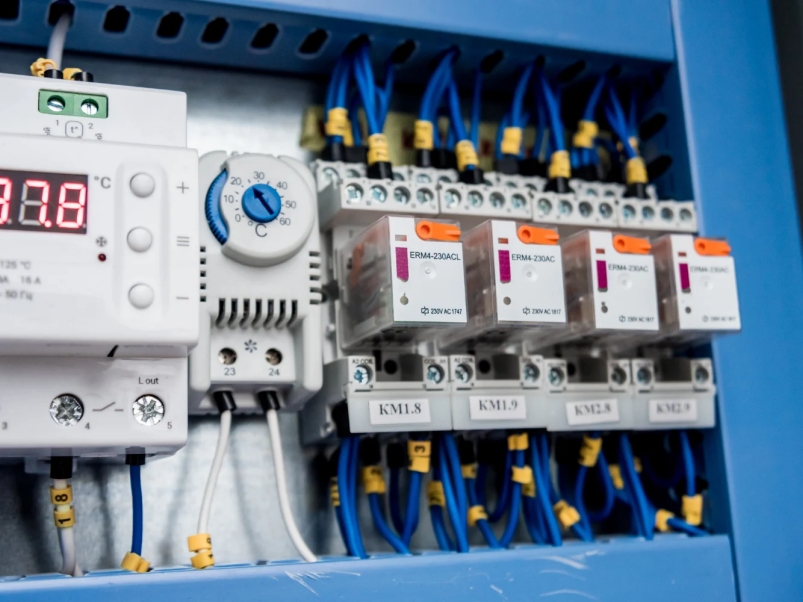
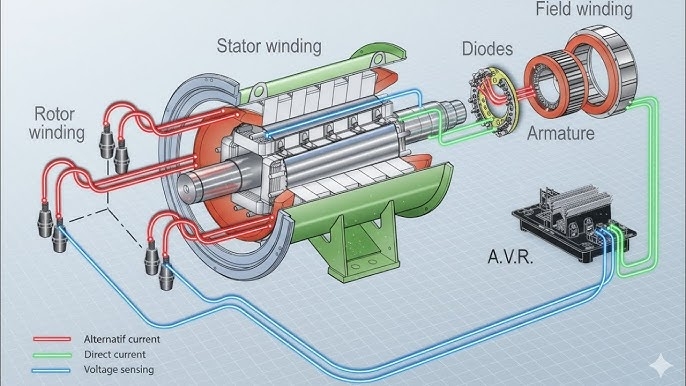
Once your generator works, the AVR will detect the output voltage of your generator and adjust the voltage. Its working principle is as follows:
1. Voltage Detection
The AVR will continuously measure the output voltage of the AC generator.
2. Voltage Comparison
It will compare the measured voltage with a preset reference voltage (such as 440V or 220V).
3. Excitation Current Control
If your generator’s output voltage is too low, the AVR will increase the current flowing to the rotor (excitation winding). If the output voltage is too high, the AVR will reduce the current flowing to the rotor.
4. Magnetic field regulation
Changing the rotor current will alter the magnetic field strength, thereby directly controlling the output voltage of your generator.
5. Stable Output
By following the above steps, your generator can keep a relatively constant voltage output continuously.
For example, if you add more electrical devices, the load on the generator increases and the voltage tends to go down. Then the AVR will detect the voltage drop, increase excitation current, and finally bring the voltage back to normal.
4 Types of Automatic Voltage Regulator
There are many types of AVRs you can choose from, but which one is the best for your generator? Knowing the different types of AVRs makes it easy to select the right generator for your application.
1. Electromechanical AVR
Electromechanical AVRs used to be very common in generators because of their robustness and simple design. However, most modern industrial generators use static or digital AVR instead, as they are slow to respond to load changes and have lower voltage regulation accuracy.
2. Static AVR
Unlike the electromechanical AVRs, static AVRs electronically control voltage. This enables them to respond to voltage changes almost instantaneously, providing more accurate and stable power. And they’re more reliable and easier to maintain. If you are looking for an AVR, this is the best AVR for your generator.
3. Digital AVR
Digital AVRs use microprocessors to achieve precise voltage control. They can respond quickly to load changes and provide advanced features such as programmable parameters and intelligent monitoring. If your application is a sensitive load, we recommend using a digital AVR for better voltage regulation.
4. Servo AVR
Servo AVRs can be incorporated into generator control systems, providing improved and coordinated voltage regulation. They are typically used in special power applications and parallel generator configurations where stable voltage sharing and synchronous operation are important.

How to Choose a Suitable AVR for Your Generator?
Engineers usually consider the AVR the voltage brain of your generator. When you choose the right AVR for your generator, it can help your generator run more smoothly and stably. Some important factors are to be considered while selecting the type of AVR:
- Your generator voltage phase and design
- Power quality needs and load sensitivity
- Your mission profile and environment
- conformance with generator control and protection systems
AVR is typically chosen together with the generator and not as a separate component. Partner with professional suppliers like Usuper Power, which guarantees your generator can operate stably for a long time.
AVR Maintenance Checklist
Regular maintenance is important for the AVR to operate normally. As with any electronic device, your AVR requires daily maintenance. Professional maintenance of AVRs can protect your equipment and make it run efficiently. Maintenance of AVR includes the following:
1. Visual Inspection:
You should inspect all components for wear, damage, corrosion, loose connections, and overheating. Spotting these issues early can help solve them before they become larger.
2.Spray Gun Cleaning:
Your AVR can be cleaned by the spray gun to remove any dirt and dust that has accumulated on its components, if necessary. Removing the dust can help keep the AVR clean and prevent connection issues.
3. Voltage Testing:
Voltage testing ensures that your AVR can handle different voltages while providing stable voltage for your device. This test ensures that your AVR can handle sudden voltage fluctuations.
4. Calibration:
Calibration can keep your AVR output consistent with the voltage level you require. Regular calibration is crucial for safe and effective operation.
Even with proper maintenance, your AVR may still have issues. If you encounter the following issues, you may need to repair or replace them:
- Abnormal sound
- Frequent shutdown or restart of the generator
- Power output stability deviation
- The generator cannot meet the load demand
- Frequent occurrence of error codes or alarms in the diagnostic system
Final Thought
Usuper Power provides reliable diesel and natural gas generator solutions for global industrial and commercial customers, designed specifically for harsh applications. Whether you need to purchase generators, upgrade existing equipment, or solve voltage regulation problems, Usuper Power can help you find the right solution.
Browse Usuper Power, or contact us to discuss with experts how to select, configure, and maintain a reliable standby power system.
FAQ
How to replace the AVR in a generator?
If you want to replace the AVR, please cut off the generator and electricity for safety. Next, you need to locate the AVR, usually located in the alternator terminal box or control panel, and memorize all the wiring connections before removing it. Then change the bad AVR to the same specs. Finally, run the generator with no load and measure the voltage output.
How to test a generator AVR?
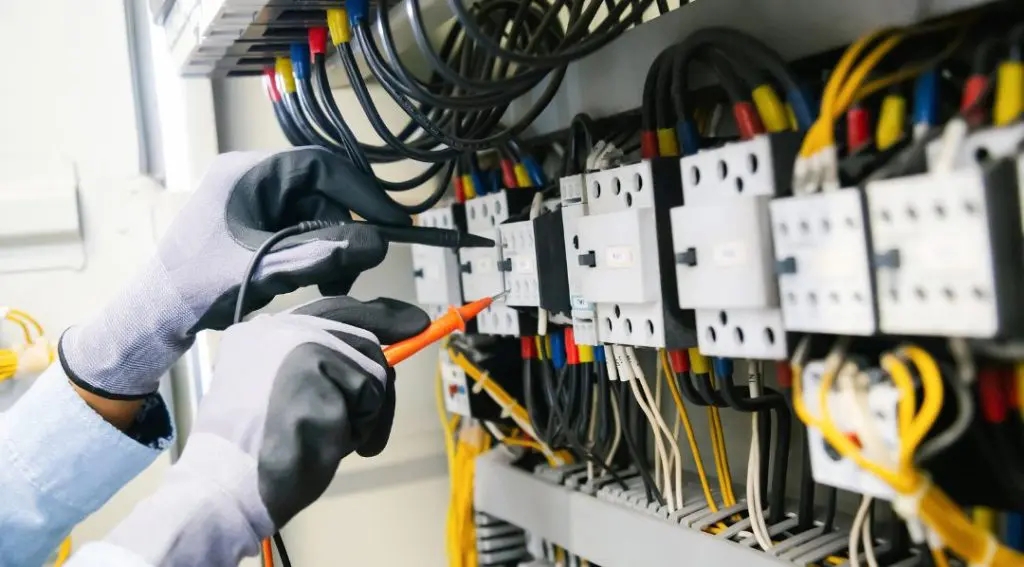
The easiest way to test a generator AVR is to check if your generator’s output is a steady voltage. If the voltage is not stable or is out of normal range, check the wiring connections and use a multimeter to confirm that the AVR is receiving and sending the correct voltage signals. If the voltage remains abnormal, the AVR may need further testing or replacement.
Do all generators need an AVR?
Most industrial or standby generators usually have an AVR, but some portable or older generators may not. Whether you need an AVR on your generators depends on your application.
Can the generator operate without an AVR?
Yes, but the voltage will vary, and this can cause damage to equipment and an unstable power output
What causes AVR failure in generators?
Common causes include electrical surges, excessive heat, moisture, overload conditions, and aging components.